
Reviewed · MUSEUMS
Barcelona: Museum of Forbidden Art Entry Ticket
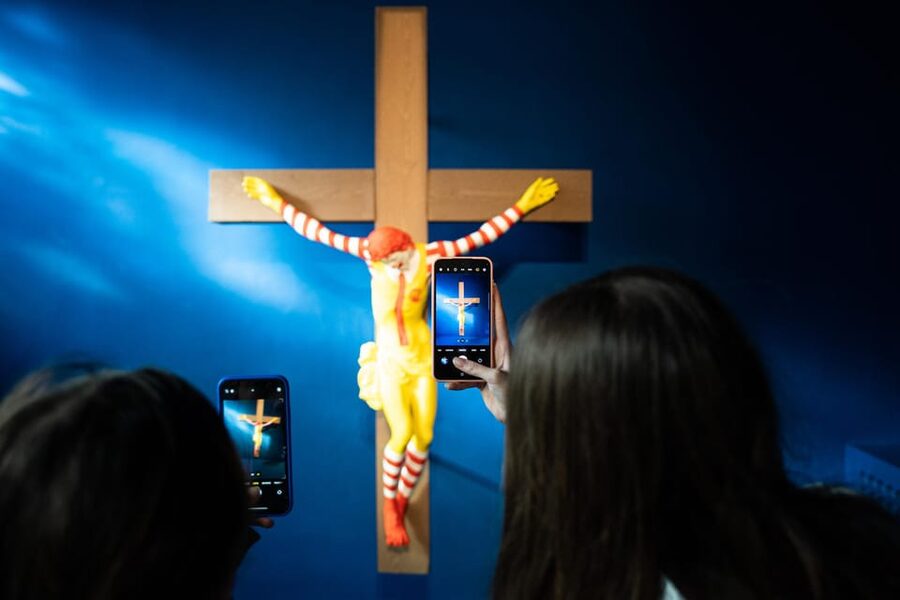
Barcelona’s Museum of Forbidden Art gathers something you rarely see in one place: art censored, banned, removed, or challenged because of politics, religion, sexuality, violence, or public pressure. Picasso, Goya, Andy Warhol, Banksy, Ai Weiwei, Robert Mapplethorpe, Gustav Klimt, and others appear in a collection built around one sharp question: who gets to decide what can be shown?
I like two things right away. First, the museum gives you more than 200 works with a story attached, so you are not just looking at famous names. Second, the setting inside Casa Garriga Nogués puts the visit close to Casa Batlló and La Pedrera, making it easy to fit into a central Barcelona walking day. The main drawback is that the material is not aimed at young children, and anyone under 13 may find the subject matter unsuitable.
In This Review
- Key points
- Why Barcelona’s forbidden-art museum is different
- Entering Casa Garriga Nogués near Passeig de Gràcia
- What you see from Picasso and Goya to Banksy
- Using the free digital guide on your own phone
- How long to allow for the visit
- Is the $14 ticket good value?
- Who will enjoy this museum most
- Practical details before you arrive
- How this fits into a Barcelona sightseeing day
- Should you book the Museum of Forbidden Art?
- FAQ
- Where is the Museum of Forbidden Art located?
- What does the admission ticket include?
- Is a guided tour included?
- Is the digital guide available in English?
- How many artworks are in the collection?
- Which artists are represented?
- Is the museum suitable for children?
- Can I cancel my ticket?
Key points
- Censored art from Picasso to Banksy: See works connected to artists including Goya, Warhol, Ai Weiwei, Mapplethorpe, Haring, Klimt, and Tania Bruguera.
- A rare museum concept: The collection focuses entirely on art that has faced prohibition or censorship.
- Central Modernist setting: Casa Garriga Nogués is about a one-minute walk from Passeig de Gràcia.
- Free English digital guide: Use your own phone or device for extra context and multimedia material.
- A flexible visit: The ticket is valid within the booked period, from one to 180 days depending on availability.
- A thoughtful adult visit: The subject matter can be provocative, so it suits curious adults and older teens better than small children.
Why Barcelona’s forbidden-art museum is different
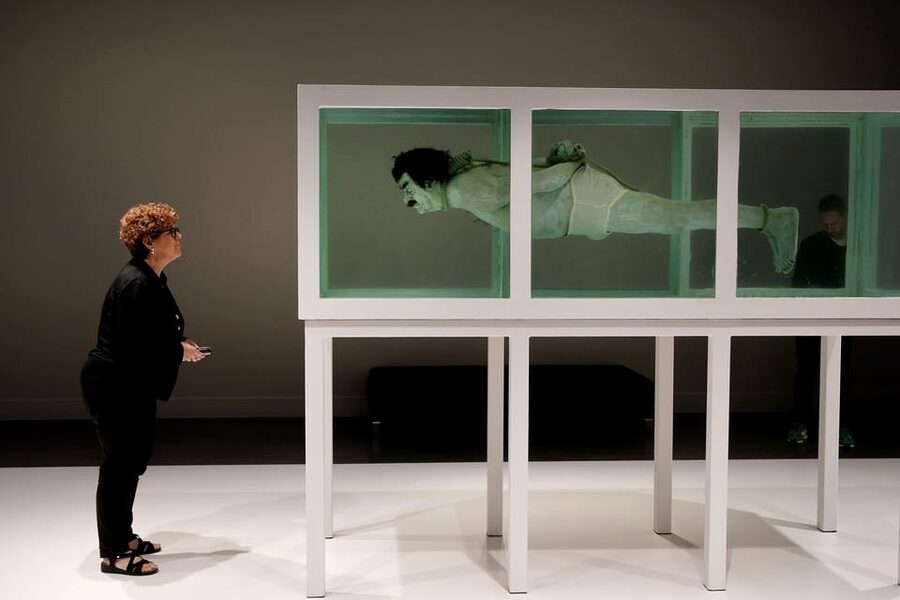
Most art museums arrange their rooms by period, country, or artist. This one uses censorship as the connecting thread. That changes how you look at the work. A familiar artist such as Picasso or Warhol is no longer presented only as a major name. You are asked to consider what caused a piece to be removed, blocked, altered, or attacked.
The collection includes more than 200 works. The important point is not simply the number. It is the range of reasons behind the restrictions. A work may have caused political trouble, offended religious beliefs, challenged public morality, or raised questions about violence and human rights.
I like this format because it makes the museum easy to understand even if you do not know much about modern art. You can follow the central idea from room to room. At the same time, the subject can feel heavier than a typical sightseeing stop. This is not a quick gallery of pretty pictures. Some works ask you to sit with uncomfortable ideas.
The museum is described as the world’s first and only collection devoted to censored and prohibited art. That makes the visit especially useful for anyone interested in free speech, political power, public protest, or the limits of artistic expression.
More museums and sites in Barcelona:
- Barcelona: FC Barcelona Museum “Barça Immersive Tour” Ticket
★ 4.4 · 10,944 reviews - Barcelona: Park Güell and Gaudí House Museum Entry Ticket
★ 4.5 · 6,326 reviews - Barcelona: Picasso Museum Skip-the-Line Guided Tour
★ 4.5 · 3,355 reviews
Entering Casa Garriga Nogués near Passeig de Gràcia
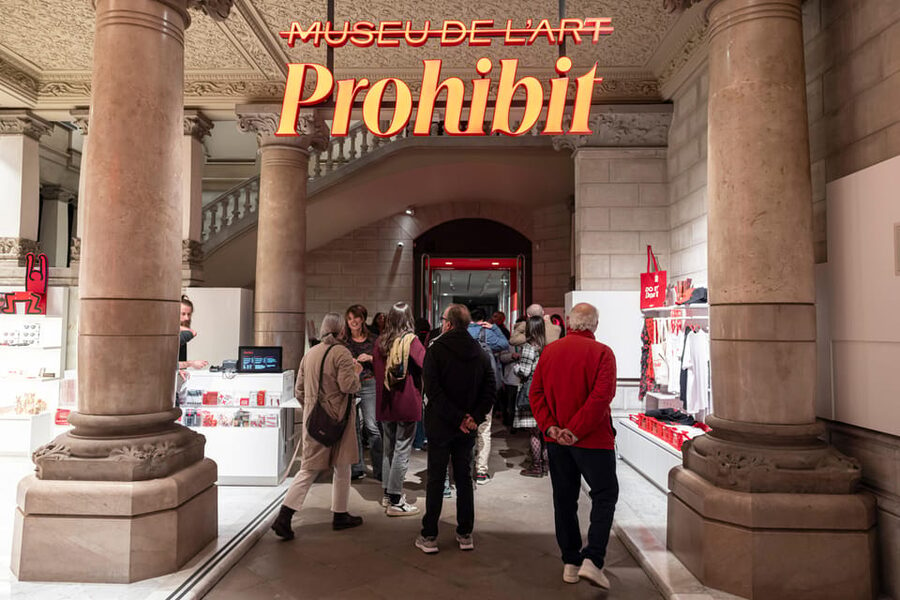
The museum occupies Casa Garriga Nogués, an early 20th-century Modernist building. Its location is one of the ticket’s practical strengths. You are about a one-minute walk from Passeig de Gràcia, with Casa Batlló and La Pedrera close by.
That lets you pair the museum with Barcelona’s famous Modernist architecture without losing much time to transport. You could visit the exhibition before or after seeing Gaudí’s buildings, or use it as a quieter indoor stop during a day in the Eixample.
The building also gives the experience a sense of place. You are not entering a plain temporary hall on the edge of town. You are seeing challenging art inside a historic Barcelona setting, then getting access to the terrace area as part of admission.
The museum has free Wi-Fi and a gift shop near the entrance. A small shop will not make or break the visit, but it can be handy if you want a book or art-related souvenir instead of another generic Barcelona magnet.
What you see from Picasso and Goya to Banksy
The collection includes censored works associated with a wide span of artists:
- Pablo Picasso
- Francisco Goya
- Andy Warhol
- Ai Weiwei
- Banksy
- Gustav Klimt
- Keith Haring
- Robert Mapplethorpe
- Miquel Barceló
- Tania Bruguera
- Ines Doujak
- Abel Azcona
The names alone may attract you, but I would not treat this as a greatest-hits museum. The value comes from the explanation of why the works became controversial. The same artist can raise very different questions in different political and social settings.
Works connected to Picasso or Goya may appeal to visitors who already know Spanish art. Warhol, Haring, and Klimt bring a different visual language. Ai Weiwei, Banksy, Bruguera, Doujak, Azcona, and Mapplethorpe point toward questions of protest, identity, power, sexuality, and public discomfort.
Because the museum’s theme is censorship, you should expect some material to be provocative. The information provided does not list every work or give a room-by-room route, so I would avoid promising a particular piece will be on display during your visit. Exhibitions can change, and the main value is the wider story told by the collection.
Using the free digital guide on your own phone
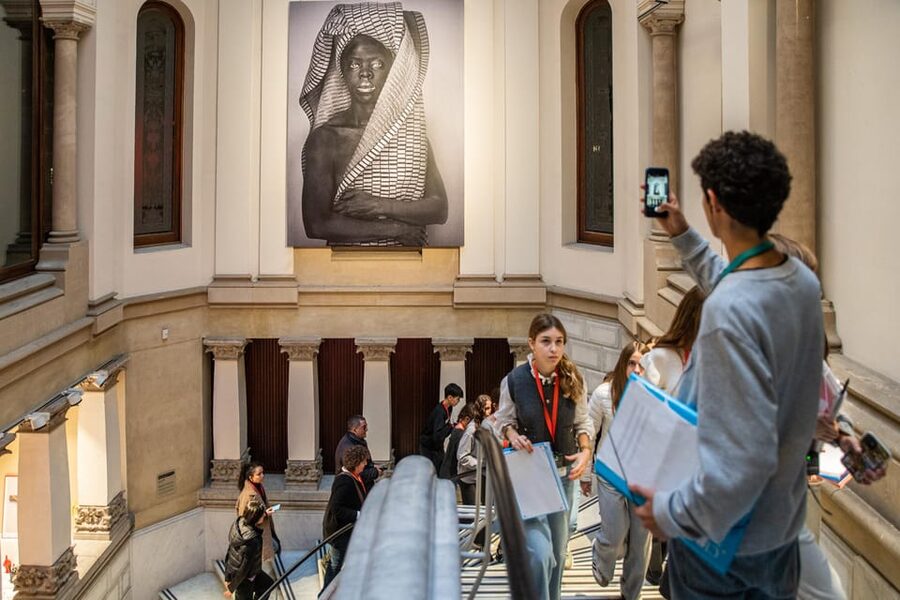
General admission includes a free interactive digital guide. It is available in Catalan, Spanish, and English, and includes information and multimedia content about the artistic context and impact of the works.
This matters here. Without background, a censored artwork can look like an ordinary painting, photograph, sculpture, or poster. The guide helps explain what happened around it and why it became a target.
I would bring a charged phone and allow time to use the guide rather than rushing through the rooms. It is not a guided tour, and no live guide is included. That gives you freedom to move at your own pace, but it also means you need to take responsibility for reading the material and deciding how long to spend with each work.
If you prefer a fast museum visit, you can focus on the main labels and move on. If you enjoy social and political context, the digital material gives you a reason to stay longer. The ticket duration is flexible, but the museum is best treated as a thoughtful stop rather than a quick photo break.
A few more Barcelona options worth an hour of your trip
- Barcelona: Park Güell Admission Ticket
★ 4.4 · 76,534 reviews - Barcelona: Casa Batlló Entry with Self-Audioguide Tour
★ 4.7 · 25,359 reviews - Barcelona: 24 or 48-Hour Hop-On Hop-Off Bus Tour
★ 4.4 · 20,872 reviews - Barcelona: Park Guell Guided Tour with Skip The Line Entry
★ 4.7 · 17,563 reviews
How long to allow for the visit
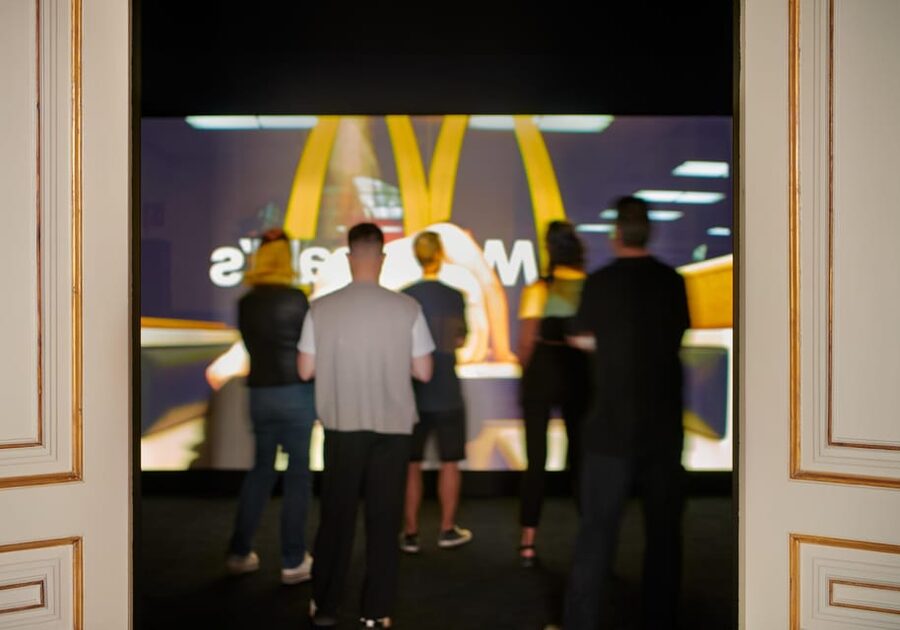
The ticket is valid for a period ranging from one to 180 days, depending on the booking conditions and available start times. That refers to the ticket’s booking validity, not a guaranteed amount of time inside the museum.
The supplied details do not set a fixed visit length. I would plan enough time to see the exhibition without hurrying, use the digital guide, and visit the terrace. Your ideal length will depend on how much background you read and how familiar you are with the artists.
A practical plan is to place this visit between other central Barcelona sights. Casa Batlló and La Pedrera are nearby, but those attractions can take substantial time of their own. If you schedule all three too tightly, you may end up racing through the museum, which defeats the purpose.
Check the opening calendar carefully before you go. One booking issue involved a Tuesday reservation even though the museum was closed that day, and admission was moved to the following day. That is a useful warning to confirm the actual operating day and start time rather than relying only on the booking screen.
Is the $14 ticket good value?
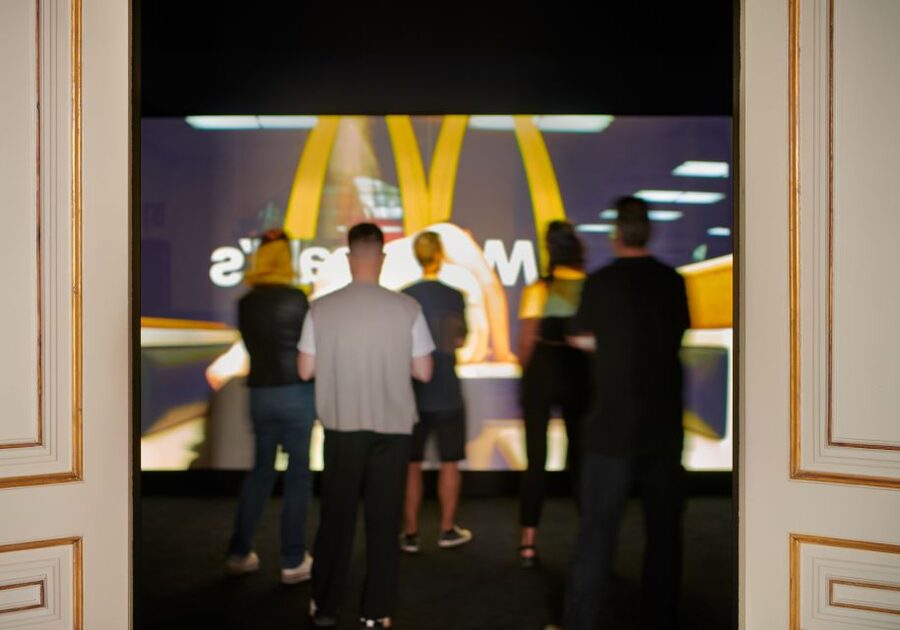
At $14 per person, this is a reasonably priced cultural stop in central Barcelona. The value is strongest if you want an experience that differs from Gaudí architecture, Picasso’s main museum, or the city’s large traditional collections.
Your ticket includes:
- Entry to the Museum of Forbidden Art
- Access to the terrace
- The free interactive digital guide
- Free Wi-Fi
Food, drinks, transportation, and a live guided tour are not included. Since the museum is close to Passeig de Gràcia, transport should be simple if you are already sightseeing in the center, but you are paying for your own journey and refreshments.
I see the ticket as good value for an hour or more of focused museum time, especially because the digital guide adds context without an extra fee. It is less compelling if you are looking only for famous masterpieces in a conventional art-history display. The collection’s appeal depends on your interest in the stories behind the works and the debate over censorship.
The free cancellation policy also reduces some booking risk. You can cancel up to 24 hours ahead for a full refund, and the reserve-now, pay-later option lets you keep plans flexible. Still, read the selected date and opening day carefully.
Who will enjoy this museum most
I would recommend the museum to adults who like art with a political or social argument. It also fits visitors who have already seen Barcelona’s major Modernist buildings and want something less predictable.
It is a good choice for:
- Art lovers who want context, not just famous names
- Visitors interested in censorship and free expression
- Fans of Picasso, Warhol, Banksy, Goya, or Ai Weiwei
- Adults looking for a central indoor activity
- Older teens who can handle challenging themes
- Independent visitors who prefer a self-guided format
I would be more cautious about bringing children. The museum is not considered suitable for anyone under 13, and the topics can include sexuality, violence, politics, and other material that may not suit younger visitors.
The self-guided format is helpful if your group has different interests. One person can read every digital panel while another takes a quicker look. On the other hand, if you want a person leading the discussion and answering questions as you go, this ticket will not provide that.
Practical details before you arrive
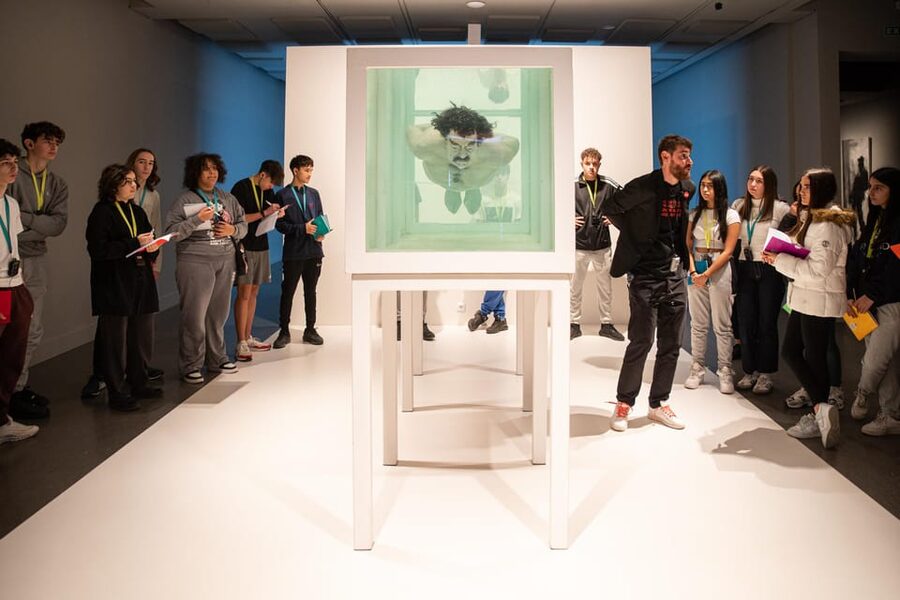
All visitors pass through security control. Bags are not allowed, and food and drinks are prohibited inside. Pets are not allowed either, so plan around those rules before arriving.
Bring a passport or identity card, including the required identification for children. Even though the museum is in a central area, it is worth arriving with the information you need rather than assuming a phone photo or another document will be accepted.
The museum is wheelchair accessible. The ticket includes the terrace, but the supplied information does not explain every access detail within the building. If you need a specific accommodation beyond general wheelchair access, check with the museum before booking.
There is no transportation included and no guided tour. The museum’s central address makes it practical to reach while walking around Passeig de Gràcia, but do not mistake the easy location for a full Barcelona tour. This is one focused museum visit.
How this fits into a Barcelona sightseeing day
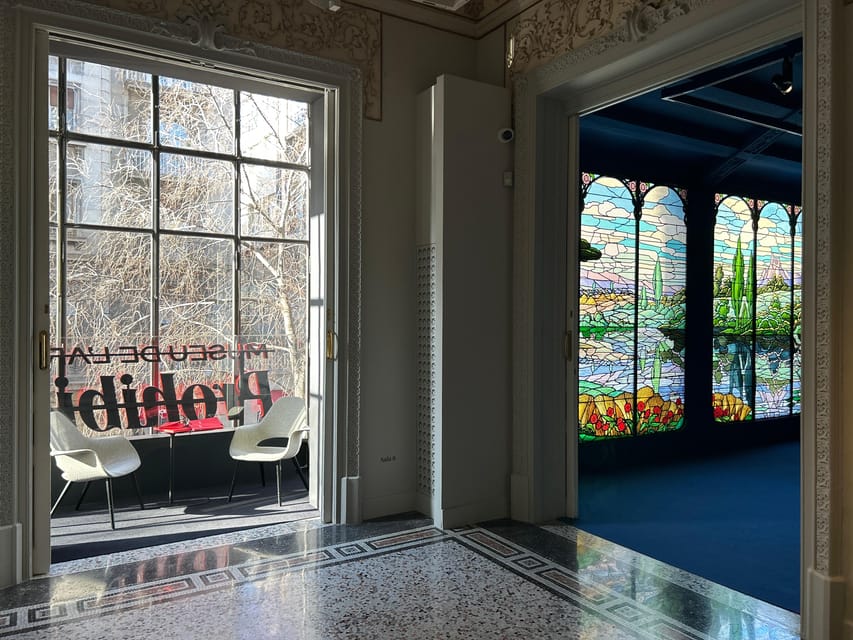
The easiest pairing is with the Eixample sights around Passeig de Gràcia. You might begin with the Museum of Forbidden Art, then walk to Casa Batlló or La Pedrera. That order gives you a change of mood: first a museum about contested ideas, then Barcelona’s famous Modernist architecture.
You can also use it as a break between larger attractions. The indoor setting and terrace offer a pause from city streets, while the collection gives you something more substantial than a simple rest stop.
I would not schedule it as an afterthought at the end of an overloaded day. The museum asks you to read, think, and compare. If you arrive tired, you may remember the famous artist names but miss the point of the collection.
The high rating of 4.6 from 161 reviews fits the experience’s strongest qualities: visitors tend to value the historical information, the thought-provoking subject, the beautiful building, and the fact that the museum is not an obvious stop on every Barcelona itinerary. Those are precisely the reasons I would choose it over another standard art gallery if your time is limited.
Should you book the Museum of Forbidden Art?
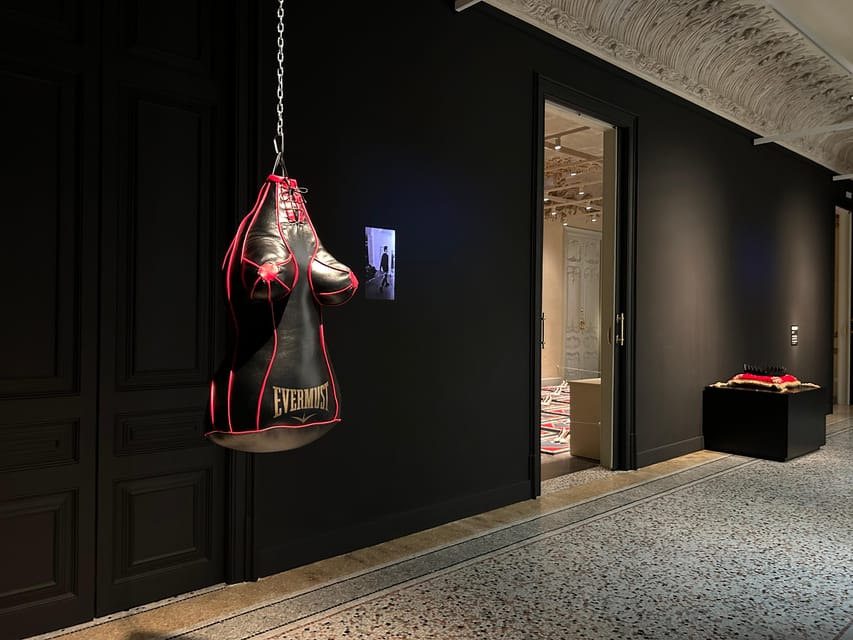
Book it if you want an unusual, central, and idea-driven museum with works linked to Picasso, Goya, Warhol, Banksy, Ai Weiwei, and other major artists. The $14 price is fair, the English digital guide is included, and the location makes it easy to add to a day around Passeig de Gràcia.
Skip it if your priority is a large collection of conventional masterpieces, a live guide, or a child-focused attraction. Also check the opening day carefully, especially if the booking calendar offers a date that seems unusual.
For most adults with an interest in art and free expression, I think this is a worthwhile Barcelona add-on. It may not be the city’s most famous museum, but it gives you a different question to carry into the rest of your sightseeing: who has the power to decide what the public is allowed to see?
FAQ
Where is the Museum of Forbidden Art located?
It is inside Casa Garriga Nogués in Barcelona, about a one-minute walk from Passeig de Gràcia. Casa Batlló and La Pedrera are also nearby.
What does the admission ticket include?
The ticket includes access to the exhibition, the terrace area, the free interactive digital guide, and free Wi-Fi.
Is a guided tour included?
No. General admission does not include a live guided tour. You can use the free digital guide on your personal device.
Is the digital guide available in English?
Yes. The digital guide is available in Catalan, Spanish, and English, with information and multimedia content about the artworks.
How many artworks are in the collection?
The collection brings together more than 200 artworks that have faced censorship or prohibition.
Which artists are represented?
Artists connected to the collection include Picasso, Goya, Andy Warhol, Ai Weiwei, Banksy, Gustav Klimt, Tania Bruguera, Miquel Barceló, Keith Haring, Robert Mapplethorpe, Ines Doujak, and Abel Azcona.
Is the museum suitable for children?
The experience is not considered suitable for children under 13. The subject matter can be provocative and may include challenging themes.
Can I cancel my ticket?
Yes. You can cancel up to 24 hours in advance for a full refund. A reserve-now, pay-later option is also available.
Just added around Barcelona
- GoCar Full Day Tour★ 4.0 · 6 reviews
- Sagrada Familia and Barcelona Highlights: Private Guided 4-Hour Driving Tour★ 5.0 · 6 reviews
- Barcelona: Highlights & Gems Private Tour with Tapa & Drink★ 3.9 · 6 reviews
- Gothic Quarter and Born District: Photographic Workshop★ 5.0 · 6 reviews
- Gobbi Yacht Rental in Barcelona 9 Pax 2/4/8hs★ 5.0 · 6 reviews
- Private Sailboat Ride at Sunset from Sitges★ 5.0 · 6 reviews
- Barcelona: Gothic Quarter & La Sagrada Familia Private Tour★ 4.9 · 6 reviews
- Barcelona: Private Tour of Casa Batllo with Reserved Access★ 3.5 · 6 reviews
Museums, compared.

FC Barcelona Museum “Barça Immersive Tour” Ticket
Read our review →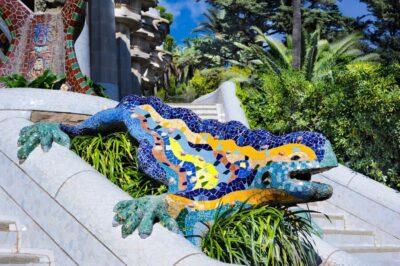
Park Güell and Gaudí House Museum Entry Ticket
Read our review →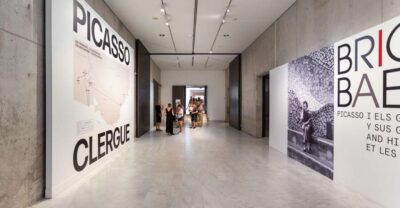
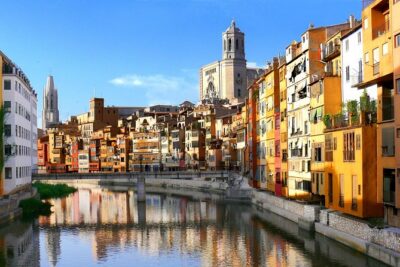
Girona & Dali Museum Small Group Tour with Pick-up from Barcelona
Read our review →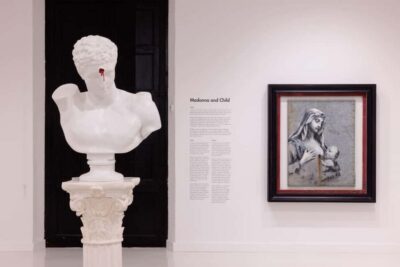
Dali Museum, House & Cadaques Small Group Tour from Barcelona
Read our review →Browse the lists this tour appears in