
Reviewed · GIRONA TOURS
Costa Brava and Medieval Villages Small Group from Girona
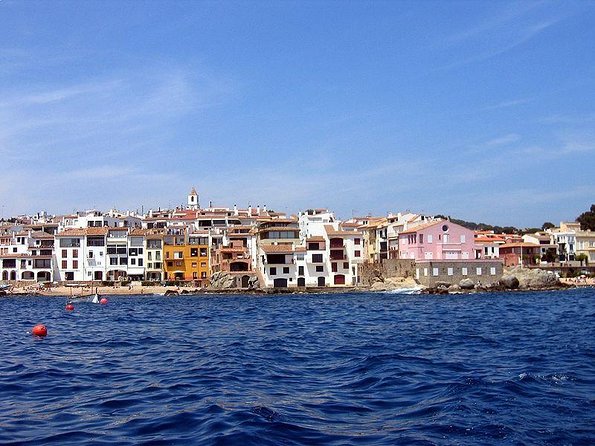
The best thing about this day is the contrast: Mediterranean coast in the morning, medieval villages in the afternoon. You move from lighthouse views and a sea path to stone lanes, castle remains, defensive towers and old walls without having to drive the narrow roads yourself.
I like the small maximum of six people, which makes it easier to ask questions and keep a sensible pace. I also like the local feel of the day, especially the stop for lunch and the visit to La Bisbal d’Empordà, a town known for pottery and ceramics. The main consideration is the walking: you will spend much of the day on foot, and lunch is not included in the $175.36 price.
In This Review
- Key things to know before booking
- From Girona to the Costa Brava in one morning
- Sant Sebastià Lighthouse and the first big view
- Walking beside the sea from Calella to Llafranc
- Begur, where hilltop defenses meet Indiano houses
- Pals and the Tower of the Hours
- Peratallada and the feel of a fortified village
- Lunch with time for a local meal
- La Bisbal d’Empordà and the pottery stop
- What $175.36 buys you
- Who will enjoy this day most
- Practical details that make the day easier
- Should you book the Costa Brava and Medieval Villages tour?
- FAQ
- Where does the tour start?
- What time does the tour begin?
- Where does the tour finish?
- How long does the tour last?
- Is lunch included?
- Is transportation provided?
- How many people can join the tour?
- Is the tour offered in English?
Key things to know before booking
- A full Costa Brava sampler: See Llafranc, Calella de Palafrugell, Begur, Pals, Peratallada and La Bisbal in about eight hours.
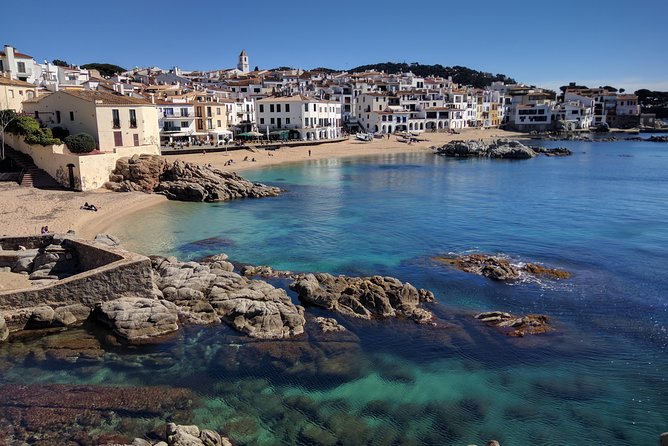
- Coastal walking is part of the appeal: The path between Calella de Palafrugell and Llafranc gives you sea views that a simple roadside photo stop cannot match.
- Begur mixes several eras: Expect Indiano houses, sixteenth-century defensive towers, the village and the remains of its hilltop castle.
- Pals and Peratallada are walking towns: Their medieval quarters are best seen slowly, on foot, over uneven cobbles.
- The minivan saves time and stress: You are picked up and returned to Plaça de Sant Feliu in Girona, with transport between the scattered stops.
- The guide can shape the day: Guides such as Pau, Julia, Eduardo, Claudia, Miguel and Pere have led this experience, with English commentary available.
From Girona to the Costa Brava in one morning
The tour begins at 9:00 a.m. at Plaça de Sant Feliu in Girona and returns to the same meeting point. That central start makes this a practical choice if you are staying in Girona and want a full day outside the city without arranging a rental car.
Transport is by air-conditioned minivan, with bottled water provided. The group is limited to six people, although the booking information also describes the service as suitable for up to seven. Either way, this is far smaller than a standard coach outing. You get a better chance to hear the guide, ask about local customs and adjust the pace when the group needs a short pause.
The drive matters here. The coast and inland villages are close enough to combine, but they are not laid out as one simple walking route. A minivan lets you cover more ground while avoiding the practical headache of parking near popular seaside towns and old village centers.
The guides are English-speaking, and several named guides, including Pau, Julia, Eduardo, Claudia, Miguel, Pere and Peter, have been praised for clear storytelling and friendly help. The exact guide depends on the date, but you can expect the day to be guided rather than simply transported. Some departures have included a separate driver, allowing the guide to focus on the group and the history along the way.
More Girona days from Girona:
- Girona & Costa Brava Small-Group Tour with Pickup from Barcelona
★ 5.0 · 6,955 reviews - Montserrat, Girona & Costa Brava Guided Day Trip from Barcelona
★ 5.0 · 5,128 reviews - Girona & Dali Museum Small Group Tour with Pick-up from Barcelona
★ 5.0 · 2,965 reviews
Sant Sebastià Lighthouse and the first big view
The first major stop is the Far de Sant Sebastià above Llafranc. You have about 40 minutes here to see the lighthouse and look over the Costa Brava from a high coastal position.
This is a strong opening because it gives you a sense of the region before you begin walking through towns. The view is the point, so bring your camera and give yourself time to look beyond the lighthouse itself. The tour information does not promise entry inside the building, so think of this as a viewpoint stop rather than a lighthouse museum visit.
The stop also sets up one of the day’s useful contrasts. From above, the coast looks open and spacious. Later, you will be walking through compact villages where the focus shifts to architecture, local stories and the shape of old defensive settlements.
Walking beside the sea from Calella to Llafranc
The coastal portion takes about an hour and follows a path near the Mediterranean between Calella de Palafrugell and Llafranc. This is one of the most memorable parts of the route because you are not just being driven to a viewpoint. You are given time to experience the coast at walking pace.
The path is associated with the Passeig de Ronda, the coastal route that links sections of the Costa Brava. You can expect sea views, rocky edges and a close look at the way the villages sit beside the water. The supplied details do not give a difficulty rating, so I would not treat this as a strenuous hike, but it is still proper walking rather than a quick stroll from the van.
Wear shoes with a firm sole. You will be combining the coastal path with old village streets later, and comfortable footwear will make the entire day better. Bring water even though bottled water is supplied. One part of the day’s practical advice is simple: eight hours of sun, walking and sightseeing can use more water than you expect.
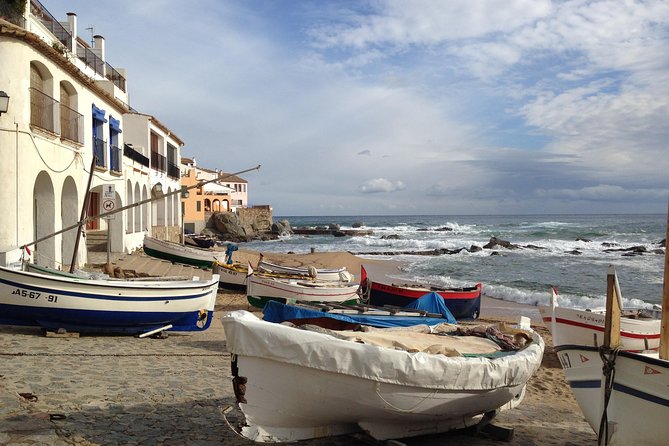
Calella de Palafrugell and Llafranc are not treated as interchangeable beach stops. The guide explains the character and past of the towns, helping you notice more than the postcard views. If you want a day built mostly around swimming or beach time, this is not the right format. The coast is viewed and walked, not offered as a long free afternoon by the sea.
Begur, where hilltop defenses meet Indiano houses
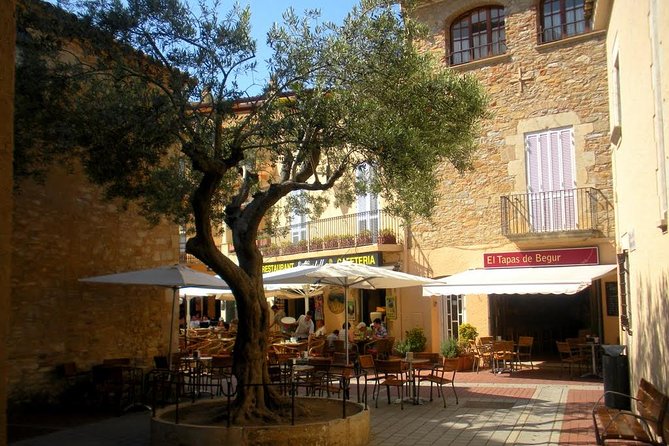
The Begur visit lasts about an hour and includes a walking tour through the village, with attention to the Indiano houses, sixteenth-century defensive towers and the castle area.
Begur is valuable because its story is not limited to one period. The defensive towers point to a time when coastal settlements needed protection. The Indiano houses add another layer, tied to local people who made fortunes overseas and returned with money and new architectural ideas. The castle site then gives the town its elevated setting and wide views.
The tour description calls this a visit to Castell de Begur, but you should picture castle remains and a hilltop historic setting rather than a fully preserved fortress interior. That distinction matters if you are expecting grand rooms or a large intact castle. The reward is the combination of village streets, old defenses and the view from above.
The hour goes quickly. I would listen closely to the guide here, since the details about the houses and towers help explain why Begur looks different from Pals and Peratallada later. Guides such as Miguel, Pere and Eduardo have been singled out for turning local history into stories rather than a string of dates. That style suits a compact tour with several stops.
More Costa Brava days out:
- From Barcelona: Girona, Figueres, Dalí Museum, and Cadaqués
★ 4.7 · 1,928 reviews - Barcelona: Montserrat, Girona & Costa Brava Guided Day Trip
★ 4.7 · 1,455 reviews - Girona & Costa Brava Small Group Tour From Barcelona with Paella!
★ 4.5 · 1,098 reviews - Girona and Costa Brava Small Group Tour from Barcelona
★ 5.0 · 445 reviews
Pals and the Tower of the Hours
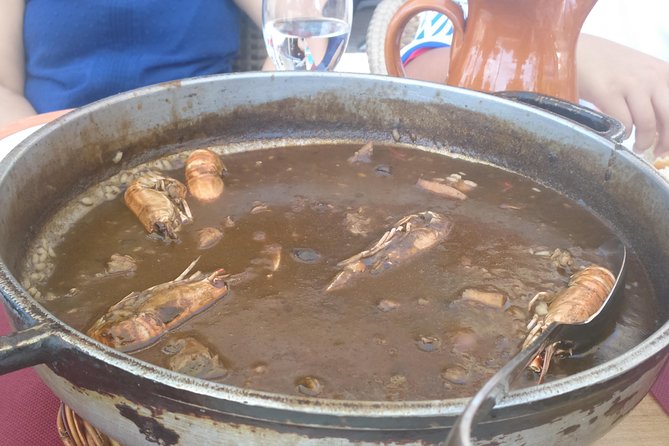
After the coast and Begur, the route turns inland to Pals. The walking visit centers on El Pedró, the medieval quarter, where you see stone buildings, the Tower of the Hours, part of the old castle and the Church of Sant Peter.
Pals is the sort of place where the street plan does much of the teaching. Narrow lanes, stone walls and elevated viewpoints show how an old fortified settlement was organized. The Tower of the Hours is a useful landmark, while the church and castle remains help you read the quarter as more than a pretty collection of buildings.
You have about an hour here. That is enough for a guided walk and photographs, but not an invitation to wander every lane at leisure. Stay with the group during the main explanation, then use any free moments for your own pictures.
The cobbles are part of the charm and part of the physical demand. Most people can take part, but this is not a smooth, flat city-center walk. If you have mobility concerns, ask the operator before booking, since the supplied information does not provide detailed accessibility guidance.
Pals is also one of the places where a guide adds real value. Without context, you may see a handsome stone village. With an explanation of the tower, church, castle remains and defensive layout, you begin to understand how the town developed and why its position mattered.
Peratallada and the feel of a fortified village
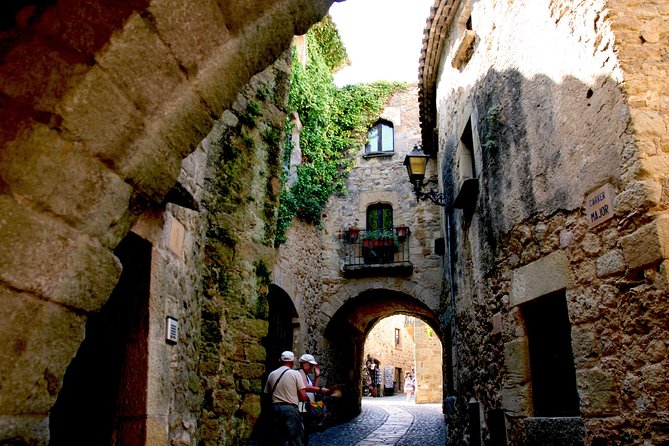
The next stop, Peratallada, lasts about an hour and 30 minutes, making it the longest village visit. You walk through another medieval center with a castle, old walls, a moat and palaces.
The extra time is welcome. Peratallada is made for slow looking, with old stonework and lanes that reward attention to small details. The moat and walls make the defensive purpose easier to picture, while the palaces show how the village also served as a place of residence and power.
Pals and Peratallada are similar enough that some visitors may find the second medieval village less fresh than the first. I see the pairing as useful, though. Pals gives you the Tower of the Hours, church and castle quarter. Peratallada adds the moat, walls and palaces. Seeing both lets you compare two preserved inland settlements rather than treating one village as your only example.
This is also the point in the day when tired legs may become noticeable. The route combines the coastal path, Begur, Pals and Peratallada, so plan on repeated walking and standing. The tour is not a passive sightseeing loop from a vehicle.
Lunch with time for a local meal
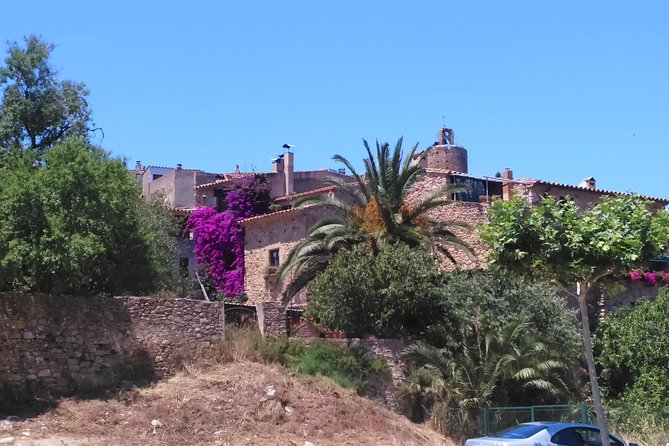
Lunch is not included, which keeps the advertised price clear but means you should budget extra. The guides have taken groups to restaurants serving local residents, with Catalan food and good value noted as part of the experience.
You are not given a fixed lunch menu in the supplied details, so do not book expecting a particular dish or included tasting. Instead, see this as a chance to eat in the area rather than relying on a packed snack or a fast stop at a chain restaurant.
The exact timing and restaurant can vary with the day’s route. Ask your guide about the lunch plan early in the morning, especially if you have dietary needs or a strict schedule. The stop is an important practical break in a long day of walking, so use it to rest as well as eat.
La Bisbal d’Empordà and the pottery stop
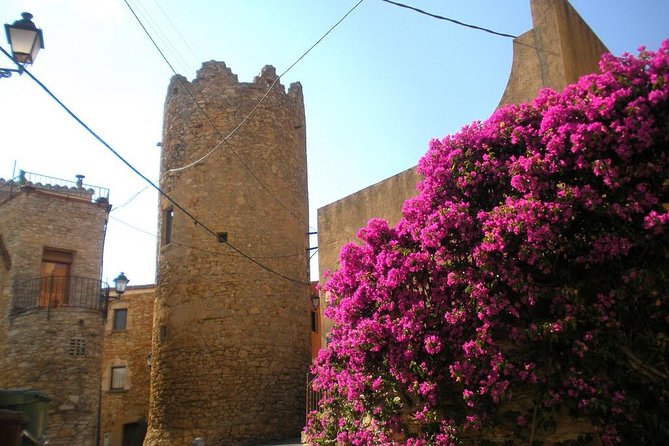
The final listed stop is La Bisbal d’Empordà, for about 30 minutes. The focus is on pottery and ceramics shops.
This is a short but worthwhile change of pace after so much stone architecture. La Bisbal is associated with ceramic production, so the stop gives you a look at a local craft tradition and the chance to browse for a useful souvenir. Thirty minutes is enough for a quick look, but not for a long shopping session or a detailed workshop visit.
Because this is a shop stop, its value depends on your interests. If you like handmade ceramics, it adds a strong local touch. If shopping is not your thing, you may find the time less important than the coast and villages. I would treat it as a brief final pause rather than one of the tour’s main historic visits.
What $175.36 buys you
At $175.36 per person, this is not the cheapest way to leave Girona for a day. The value comes from the amount of ground covered and the small-group setup.
You get about eight hours, an English-speaking local guide, an air-conditioned minivan, bottled water and transport between six different stops. You also avoid renting a car, finding parking in coastal towns and navigating roads between scattered historic villages. For a solo visitor, couple or small family, those savings in time and effort can make the price reasonable.
The maximum of six is the strongest value point. You are not paying only for a seat in a vehicle. You are paying for access to a guide who can answer questions and keep the explanations connected to what you are seeing. Several guides, including Pau, Julia, Eduardo and Pere, have been praised for strong local knowledge, fluent English and an engaging approach.
The price is less attractive if you plan to spend most of the day at the beach, skip guided history or only want to see one village. A rental car could offer more freedom, but you would need to manage the driving, parking and route planning yourself. This tour makes more sense when you want a carefully arranged sampler in one day.
Who will enjoy this day most
I would choose this experience if you want to combine scenery, local history and village walking without changing hotels or organizing several separate outings. It suits couples, families with older children and solo visitors who prefer company on a full day outside Girona.
It is especially good for you if:
- You have only one free day for the Costa Brava.
- You prefer a small group to a large coach.
- You enjoy historic buildings and guided walking.
- You want coastal views but also care about inland Catalan villages.
- You would rather not drive or park in unfamiliar towns.
- You like having a local guide explain what you are seeing.
I would hesitate if you want a relaxed beach day, dislike cobblestones or need a highly accessible route. Children must be accompanied by an adult, and the minimum booking is two people. Most people can participate, but detailed accessibility information is not provided, so ask before paying if stairs, uneven paths or extended walking could be a problem.
Practical details that make the day easier
Start at Plaça de Sant Feliu at 9:00 a.m. and allow the full day, since the experience lasts about eight hours and finishes back at the same meeting point. Confirmation is provided when you book, and the tour is offered in English with a mobile ticket.
Wear comfortable walking shoes and bring sun protection. Bottled water is included, but carrying your own additional water is sensible, especially during the coastal walk and village visits.
Keep your schedule open after the tour. The route includes several stops, lunch and walking in places where the pace can depend on the group. The small vehicle makes the day personal, but it also means the tour is designed around a shared schedule rather than private sightseeing.
Free cancellation is available if you cancel at least 24 hours before the local start time. A cancellation inside that window is not refunded, and the tour requires a minimum number of bookings. If the operator cancels because that minimum is not reached, you are offered another date or experience, or a full refund.
Should you book the Costa Brava and Medieval Villages tour?
Book it if you want the broadest useful introduction to this corner of Catalonia in one day. The mix is well judged: lighthouse views, a coastal path, Begur’s towers and houses, two medieval villages, a local lunch stop and La Bisbal ceramics.
I especially like that the tour does not stop at the coast. Calella de Palafrugell and Llafranc provide the sea views, but Pals and Peratallada give the day its sense of place. The small group and guides such as Pau, Julia, Eduardo, Miguel and Pere also make the history easier to follow.
Skip it if you want long stretches of free time, swimming or a gentle sightseeing day with little walking. At $175.36, the tour earns its price through transport, planning, local guiding and the number of places covered. For a first trip from Girona, that is a fair trade if you arrive ready for a full and active eight hours.
FAQ
Where does the tour start?
The tour starts at Plaça de Sant Feliu, 17004 Girona, Spain.
What time does the tour begin?
The start time is 9:00 a.m.
Where does the tour finish?
The activity ends back at the starting meeting point in Girona.
How long does the tour last?
The tour lasts approximately eight hours.
Is lunch included?
No. Lunch is not included in the tour price.
Is transportation provided?
Yes. Free transport is provided in an air-conditioned minivan.
How many people can join the tour?
The activity has a maximum of six travelers, and it is described as a small-group tour for up to seven people. A minimum of two people is required per booking.
Is the tour offered in English?
Yes. The tour is offered in English and includes a local guide.
Just added around Girona
- Besalú, Banyoles Lake & Volcanic Castellfollit from Girona★ 5.0 · 6 reviews
- Dalí & Wine | Premium Private Tour with Coastal or Girona Add-On★ 5.0 · 6 reviews
- Private Andorra or Pyrinees Ski / Snowboard Tour Day trip★ 5.0 · 6 reviews
- From Girona: Dalí Museum and Girona Small Group Tour★ 4.8 · 7 reviews
- City Explorer: Girona Private Day Trip★ 5.0 · 7 reviews
- Dalí Triangle & Cadaqués Day-Trip From Girona★ 5.0 · 7 reviews
- Olot: Espai Cràter Volcanology Center Entry Ticket★ 4.7 · 7 reviews
- Private tour: Dali Museum and Girona from Barcelona★ 5.0 · 7 reviews
Girona Tours, compared.
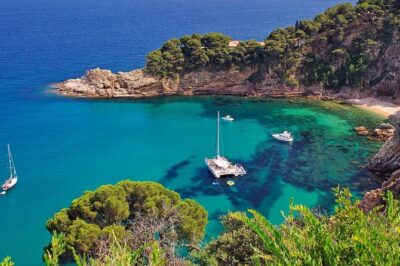
Girona & Costa Brava Small-Group Tour with Pickup from Barcelona
Read our review →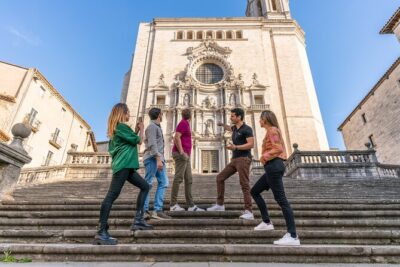
Montserrat, Girona & Costa Brava Guided Day Trip from Barcelona
Read our review →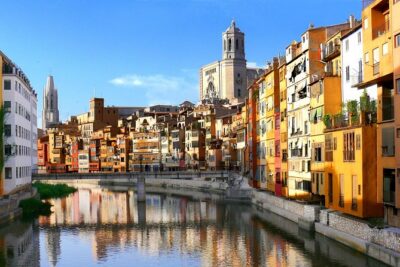
Girona & Dali Museum Small Group Tour with Pick-up from Barcelona
Read our review →
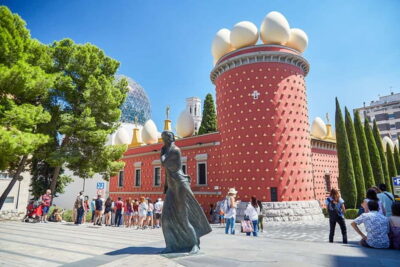
Montserrat, Girona & Costa Brava Guided Day Trip
Read our review →
Girona & Costa Brava Small Group Tour From Barcelona with Paella!
Read our review →
Girona and Dali Museum Full Day tour from Barcelona
Read our review →Browse the lists this tour appears in