
Reviewed · MUSEUMS
L’Escala: SOLÉS Anchovy Factory-Museum Admission and Tasting
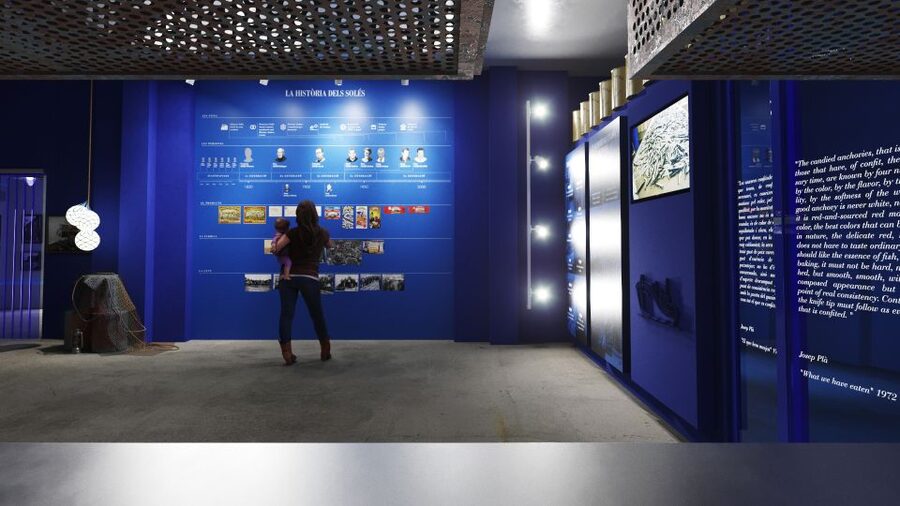
L’Escala’s SOLÉS Anchovy Factory-Museum gives you a close look at a food tradition that still shapes this Catalan coastal town. Inside the oldest building among the village’s salting factories, an audio guide explains five generations of anchovy-making, from the handling of the fish to the finished product.
I like the seven-language audio guide, which lets you explore at your own pace, and I like the tasting at the end, served on the factory’s SOLÉS chill-out terrace. The main thing to consider is scale: this is a compact, single-room museum, not a large industrial tour, and some visitors may finish in about 15 minutes.
In This Review
- Key points to know before you go
- Why L’Escala’s anchovies matter
- Finding the white house with the painted sign
- Inside the compact factory museum
- Following five generations of anchovy-making
- The tasting on the SOLÉS chill-out terrace
- The shop and choosing what to take home
- Is $8 good value?
- Who will enjoy this stop most?
- Practical advice for planning your visit
- Should you book SOLÉS Anchovy Factory-Museum?
- FAQ
- Where is the SOLÉS Anchovy Factory-Museum?
- What does the admission include?
- How much does the experience cost?
- How long is the experience valid?
- Which languages are available for the audio guide?
- Is the museum wheelchair accessible?
- Can children visit the museum alone?
- What will I learn during the visit?
- Can I buy anchovy products after the visit?
Key points to know before you go
- 130 years of Solés tradition: The museum marks the company’s long family history and five generations of anchovy masters.
- A real old salting building: You visit the oldest building among L’Escala’s salting factories, adapted for modern visitors while retaining its traditional character.
- Interactive process displays: Photos, tools, numbered exhibits, and models explain how anchovies and other seafood products are prepared.
- Seven audio-guide languages: Choose Catalan, Spanish, English, German, Italian, French, or Dutch.
- Small tasting included: Your admission includes a sample of SOLÉS products on the outdoor terrace.
- Easy access: The building is adapted for people with reduced mobility, and children under 10 must be accompanied by an adult.
Why L’Escala’s anchovies matter
L’Escala is not simply a seaside town with an anchovy shop. Salting fish has been part of local work and food culture for generations, and the SOLÉS factory preserves that link between the harbor, the kitchen, and the family business.
The attraction is useful because it explains a process you might otherwise see only in a jar. Anchovies are familiar on tapas plates and in Catalan cooking, but their preparation involves careful stages. The museum presents those stages in an accessible way, using images, utensils, and working models rather than relying only on written panels.
You also get a sense of how a traditional business has adjusted to the present day. The factory still keeps the character of its older building, but the visit has been arranged for modern audiences, with recorded explanations and displays that children and adults can follow.
That combination is the main reason to come. You are not just buying a local food product. You are learning why it has a place in L’Escala’s identity.
More Costa Brava days out:
- Girona & Costa Brava Small-Group Tour with Pickup from Barcelona
★ 5.0 · 6,955 reviews - Montserrat, Girona & Costa Brava Guided Day Trip from Barcelona
★ 5.0 · 5,128 reviews - Barcelona Costa Brava Kayak, Snorkel & Cliff Jump Day Tour
★ 5.0 · 3,872 reviews
Finding the white house with the painted sign
The meeting point is easy to identify once you know what to look for: a white house with ANXOVES SOLÉS painted on it. The painted sign is the useful landmark, so keep an eye out for it rather than expecting a large modern museum entrance.
The experience is valid for one day, with available starting times shown when you check your date. It is wise to allow a little flexibility because the visit is self-guided by audio rather than built around a named guide or a fixed live presentation.
The factory is wheelchair accessible, and the building has been adapted for people with reduced mobility. That makes this a practical stop for visitors who need step-free access, though the available information does not describe every feature of the route in detail.
Children under 10 must be accompanied by an adult. That is sensible here, since the exhibits explain food production and the factory setting may be more interesting to children who can listen to the audio and look closely at the working models.
Inside the compact factory museum
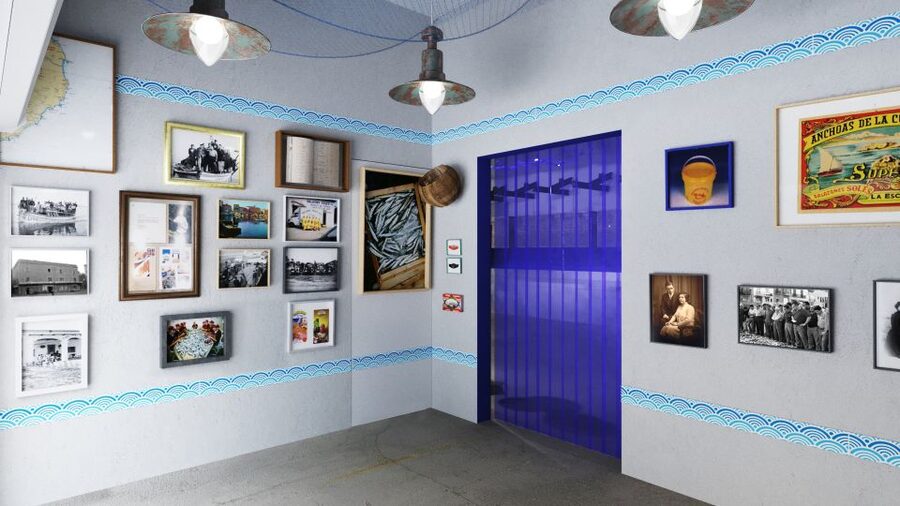
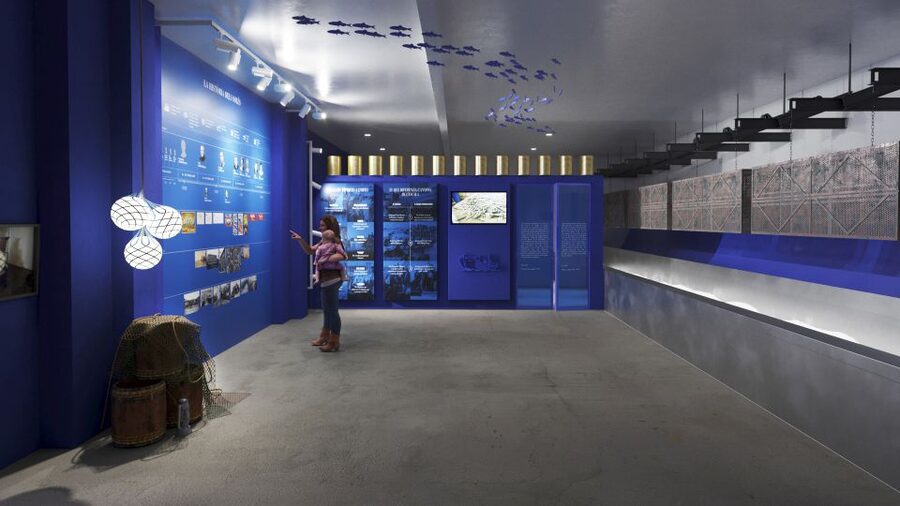
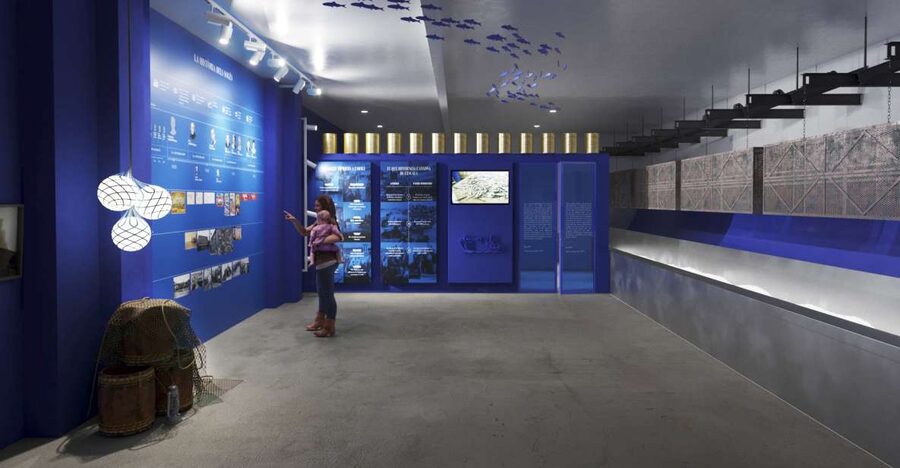
The museum occupies a small area inside the historic factory building. Do not arrive expecting several galleries or a long walk through a working plant. The display is compact, with photographs, old utensils, numbered exhibits, and models that show parts of the production process.
The audio guide supplies the main explanation. It is available in seven languages: Catalan, Spanish, English, German, Italian, French, and Dutch. You can follow the information in the language that suits you, which is particularly helpful because some of the objects may not be self-explanatory.
The museum tells two stories at the same time. One is the SOLÉS family and company story, including five generations of anchovy masters and the company’s 130th anniversary. The other is the practical story of production, showing the different stages involved in making the seafood products sold by the company.
The displays are meant to be interactive and suitable for a broad audience. You may see models that show how equipment works, along with tools connected to the older salting methods. This is where the museum has the most character. A real utensil or old piece of equipment can say more about a trade than a polished display case.
Still, keep your expectations in check. The museum’s small size is its biggest limitation. If you enjoy large food museums with many rooms, long films, or extensive collections, you may find this visit too brief. One recent assessment described a single room with a handful of photographs and objects, and found some models insufficiently explained.
That criticism is worth taking seriously. The audio guide covers the numbered pieces, but not every object may be immediately clear. If you want a detailed technical tour, this may feel light. If you want a short introduction to L’Escala’s anchovy tradition, the format works better.
Following five generations of anchovy-making
The family angle gives the visit a human scale. Five generations have worked with the product, and the museum connects the factory’s present-day operation with the methods and habits passed down by earlier generations.
You will learn how the company has kept its traditional identity while adapting its facilities to current needs. That contrast is more interesting than a simple old-versus-new display. The factory is not presented as a frozen relic. It is a working food business with a museum area added to explain its methods and story.
The anniversary theme also gives the visit a clear focus. The museum was created to mark 130 years of SOLÉS Anchovies, so the company’s timeline is central rather than incidental.
I find this kind of stop most useful early in a visit to L’Escala. Afterward, you have a better sense of what you are looking at when anchovies appear in a local shop or restaurant. You can also make a more informed choice in the factory store instead of simply picking the prettiest jar.
More museums and sites in Costa Brava:
- From Barcelona: Girona, Figueres, Dalí Museum, and Cadaqués
★ 4.7 · 1,928 reviews - Dali Museum, House & Cadaques Small Group Tour from Barcelona
★ 4.5 · 1,441 reviews - Barcelona: Dali Museum, House and Cadaques Guided Tour
★ 4.7 · 970 reviews - Dali Museum & Cadaques Small Group Tour with Hotel pick-up
★ 5.0 · 914 reviews
The tasting on the SOLÉS chill-out terrace
Admission includes a small tasting of SOLÉS products outside on the SOLÉS chill-out terrace. This is not a full meal, so plan to treat it as a sample rather than lunch.
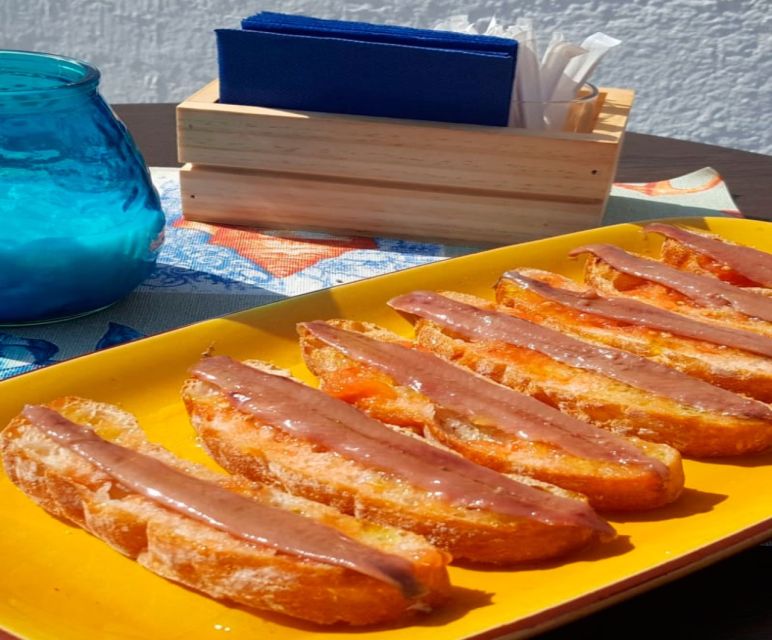
The exact selection can vary, but a recent tasting was described as including two anchovy fillets, a slice of octopus, a small piece of squid, and a couple of dry breadsticks. Other visitors found the tasting enjoyable, and the best part is that it gives you a chance to try the products immediately after hearing how they are made.
The tasting received some of the strongest praise in the available feedback. Several people described it as very good or magnificent, while another found it merely adequate. That difference probably reflects expectations. At around $8, the tasting is a pleasant finish to a short museum visit, but it is not a generous seafood platter.
The terrace also changes the mood. After listening to the audio guide in the factory, you can sit outside and taste the products without rushing through the shop. For a small admission fee, that pause adds real value, especially if you enjoy local food experiences more than formal museum displays.
If you do not like strong, salty fish, this may not be your ideal tasting. The attraction is focused on anchovies and related seafood products, so there is no reason to book it expecting a broad selection of Catalan dishes.
The shop and choosing what to take home
The factory includes an anchovy shop where you can buy SOLÉS products. The shop is an important part of the visit, but you are not required to purchase anything to complete the experience.
The tasting helps you decide what you like before buying. Anchovies can differ in saltiness, texture, and strength, so trying a sample is more useful than choosing from a label alone. If you are putting together a picnic or looking for a small food gift, the shop gives you a direct connection to the place where the product is made.
I would give yourself a few extra minutes here, even though the museum itself is short. The shop is the practical end of the visit: you learn the process, taste the result, and then decide if you want to take some home.
The available information does not list specific prices for individual shop products, so your $8 admission should be judged on the museum and tasting together, not on any assumption that a purchase is included.
Is $8 good value?
At $8 per person, this is an inexpensive activity by museum and food-tour standards. The value depends mainly on what you want from the visit.
You get entry to the museum, the audio guide, access to the company’s story and production displays, and a small tasting. The information is available in seven languages, which saves you from relying on limited English signage or trying to translate technical food terms.
For that price, I think it works well as a short cultural stop. The tasting alone would not justify a large admission fee, but combined with the factory setting and audio explanation, it makes a reasonable package.
The weak point is the short duration. A visitor who moves quickly may finish the display in roughly 15 minutes. If you compare the price with a half-day food tour, it may seem less substantial. If you compare it with a short museum visit followed by a local tasting, the price is easier to defend.
I would book it for the subject, not for length. The attraction is valuable because it gives context to one of L’Escala’s signature foods. It is not designed to fill an afternoon.
Who will enjoy this stop most?
I would recommend SOLÉS to you if you like local food, small museums, traditional trades, and short activities that fit neatly into a day of sightseeing.
It is a good match for:
- Food-focused visitors who want to understand how anchovies are prepared.
- Families with older children who can follow an audio guide.
- Visitors who prefer self-guided sightseeing to a fixed group tour.
- Anyone looking for a low-cost activity in L’Escala.
- People who want to taste before buying local seafood products.
- Visitors who need a wheelchair-accessible attraction.
You may want to skip it if you need a long, highly detailed museum or a full meal. The display is compact, and the tasting is modest. The audio guide explains the numbered exhibits, but the museum may not answer every technical question you have about the equipment or production.
The visit also suits a rainy or very hot day, since the museum gives you an indoor activity with a food stop afterward. The outdoor terrace is part of the tasting, though the supplied information does not explain what happens if weather affects terrace use.
Practical advice for planning your visit
Check the available starting times for your date, since the experience is listed as valid for one day rather than as a continuous all-day admission. You can reserve now and pay later, which is useful if your plans around L’Escala are still changing.
Cancellation is free up to 24 hours in advance for a full refund. That gives you some room to adjust your plans, especially if you are arranging several coastal stops.
Look for the painted ANXOVES SOLÉS sign on the white house. The company name is the key landmark.
Give children under 10 an adult companion, and remember that the audio guide is central to the experience. You will get more from the visit if you listen carefully rather than simply walk around the objects.
Finally, allow time for the tasting and shop. The museum itself may be quick, but the food sample is the part that many people find most enjoyable.
Should you book SOLÉS Anchovy Factory-Museum?
Book it if you want a short, affordable introduction to L’Escala’s anchovy tradition, especially if local food is part of your travel plans. The five-generation story, historic factory setting, seven-language audio guide, and tasting make it more useful than a simple shop visit.
Do not book it expecting a large museum, a guided factory walk, or a substantial seafood meal. The display is small, and the explanation of some objects may feel limited.
For about $8, I see this as a good-value stop for curious eaters and families who want an easy activity. It is best paired with other time in L’Escala, not treated as the main event of the day.
FAQ
Where is the SOLÉS Anchovy Factory-Museum?
The museum is in L’Escala, Catalonia, Spain. Look for the white house with ANXOVES SOLÉS painted on it.
What does the admission include?
Admission includes entry to the SOLÉS museum and a small tasting of SOLÉS products on the outdoor SOLÉS chill-out terrace.
How much does the experience cost?
The listed price is $8 per person.
How long is the experience valid?
The booking is valid for one day. You should check availability for the starting times offered on your chosen date.
Which languages are available for the audio guide?
The audio guide is available in Catalan, Spanish, English, German, Italian, French, and Dutch.
Is the museum wheelchair accessible?
Yes. The building is adapted for people with reduced mobility.
Can children visit the museum alone?
Children under 10 must be accompanied by an adult.
What will I learn during the visit?
You will learn about SOLÉS’s company history, its five generations of anchovy masters, and the stages used to prepare its anchovies and other gastronomic products.
Can I buy anchovy products after the visit?
Yes. The factory has an anchovy shop where SOLÉS products are sold.
Just added around Costa Brava
- Dalí Triangle & Cadaqués Day-Trip From Girona★ 5.0 · 7 reviews
- From Barcelona: Costa Brava Hike, Snorkel & Tossa de Mar★ 5.0 · 7 reviews
- Guided Kayak & Snorkel tour to Costa Brava: Small Group and Lunch★ 5.0 · 8 reviews
- Medieval Costa Brava day-trip from Girona★ 5.0 · 8 reviews
- From Girona: Dalí Museum, Cadaqués and Creus Cape Tour★ 4.7 · 8 reviews
- From Girona: Cadaqués, St Pere de Rodes Monastery★ 5.0 · 9 reviews
- From Girona: Medieval Costa Brava Day Trip★ 5.0 · 11 reviews
- Private Dali Museum and Costa Brava Tour from Barcelona★ 5.0 · 12 reviews
Museums, compared.
FC Barcelona Museum “Barça Immersive Tour” Ticket
Read our review →
Park Güell and Gaudí House Museum Entry Ticket
Read our review →
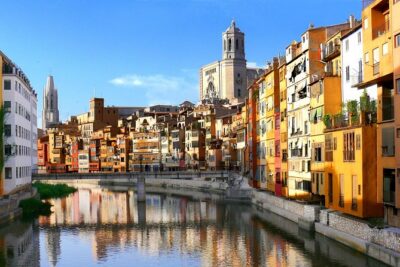
Girona & Dali Museum Small Group Tour with Pick-up from Barcelona
Read our review →
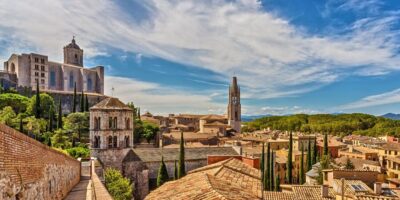
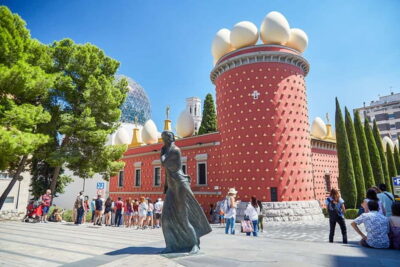
Dali Museum, House & Cadaques Small Group Tour from Barcelona
Read our review →Browse the lists this tour appears in