
Reviewed · SKIP THE LINE
Skip-the-line access ticket to Fundación Miró
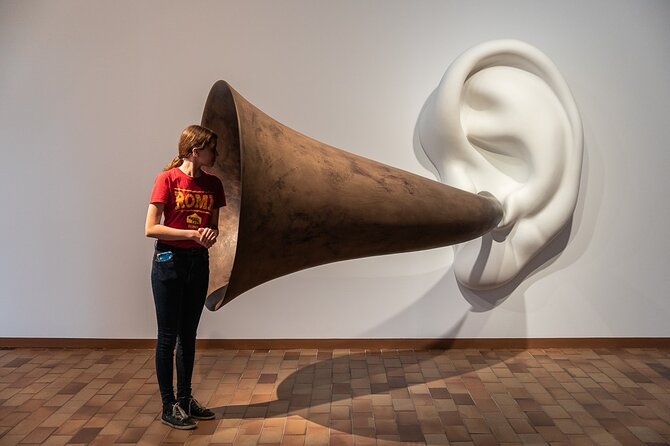
Fundación Miró is one of Barcelona’s most approachable art museums, with Joan Miró’s bold colors, floating shapes, and playful symbols arranged in a calm, easy-to-follow setting. The collection includes paintings, sculptures, ceramics, textiles, drawings, and graphic work, so you get a broad look at how this Catalan artist worked across different media.
I like the well-planned museum layout, which helps you understand Miró without feeling buried under too much information. I also like the mobile entry ticket, especially if you want to head straight to the museum in Parc de Montjuïc without handling paper vouchers.
The main caution is the ticket description’s audio guide claim. The booking information says one is included, but the museum has told some ticket holders that it stopped offering audio guides several years ago. The skip-the-line benefit can also be modest, since there was no queue at 10 a.m. on one visit.
In This Review
- Key points about the Fundación Miró ticket
- Why Miró’s museum works so well in Barcelona
- Entering Parc de Montjuïc for the museum visit
- Seeing the permanent collection in 40 to 90 minutes
- Sculptures, ceramics, textiles, and drawings
- Temporary exhibitions add variety
- Skip-the-line access: useful, but not automatic value
- The audio guide problem matters
- Who will get the most from this visit
- Booking, cancellation, and practical planning
- Should you book the Fundación Miró ticket?
- FAQ
- Where is Fundación Miró located?
- How much does the ticket cost?
- How long does the museum visit take?
- Is the ticket mobile?
- Is a guided tour included?
- Is an audio guide included?
- Are temporary exhibitions included?
- What can I see in the museum?
- Is the museum near public transportation?
- Can I cancel for a refund?
Key points about the Fundación Miró ticket
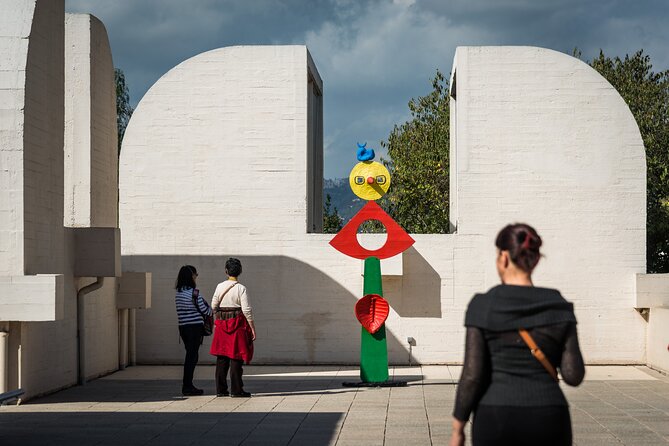
- A full look at Miró’s art: The collection includes up to 217 paintings, 178 sculptures, 8,000 drawings, ceramics, textiles, and graphic pieces.
- A short, flexible museum visit: Allow 40 minutes for a brisk visit, or up to 90 minutes if you want to take your time with the permanent and temporary exhibitions.
- Skip-the-line value depends on timing: Early morning may already be quiet, so the ticket is more useful when the museum is busy.
- Audio guide information needs checking: The ticket says an audio guide is included, but the museum has reportedly not offered one for several years.
- No tour guide or meeting point: You present the mobile voucher at the museum desk. This is an admission ticket, not a guided tour.
- Good for most visitors: The museum is near public transportation, service animals are allowed, and most people can take part.
Why Miró’s museum works so well in Barcelona
Joan Miró was born in Barcelona and became one of the best-known Catalan artists of the 20th century. His work can look simple at first glance: a few strong colors, a black line, a strange figure, perhaps a red dot floating in open space. Look longer, and the pieces begin to feel less simple. They suggest faces, birds, stars, bodies, dreams, and fragments of a private visual language.
That makes Fundación Miró a good choice even if modern art is not usually your first pick. You do not need a long art-school background to respond to the work. The forms are direct, and the museum gives you enough room to notice how Miró changed from one period to another.
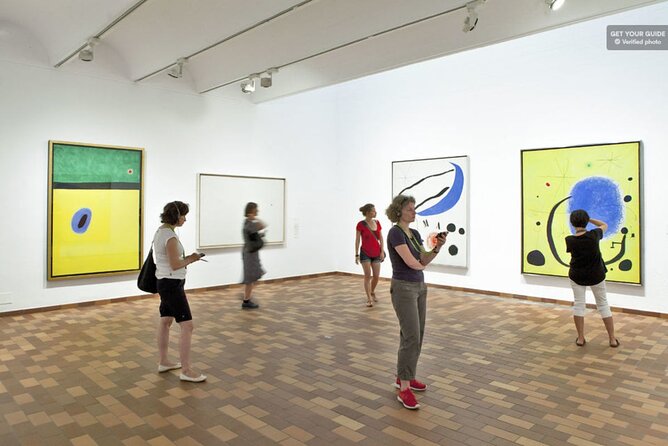
Miró worked in painting, sculpture, murals, ceramics, textiles, and graphic art. Seeing these forms together matters. A painting may show a symbol in two dimensions, then a nearby sculpture may turn a similar idea into a physical object. Ceramics and textiles add another layer, showing that his imagination was not tied to a canvas.
The museum’s collection is substantial, with up to 8,000 drawings, 217 paintings, and 178 sculptures, plus ceramics, textiles, and graphic pieces. Those numbers describe the collection as a whole, not necessarily everything on display during your visit. Still, they give you an idea of the range behind the exhibition rooms.
A few more Barcelona options worth an hour of your trip
- Barcelona: Park Guell Guided Tour with Skip The Line Entry
★ 4.7 · 17,563 reviews - Barcelona: Sagrada Familia Skip-the-Line Entry Ticket & Tour
★ 4.8 · 12,789 reviews - Park Guell Guided Tour with Skip the Line Ticket
★ 4.5 · 6,996 reviews
Entering Parc de Montjuïc for the museum visit
The museum sits in Parc de Montjuïc, one of Barcelona’s major cultural areas. That location gives the visit a different feel from a museum stop in the old city streets. You are heading up to a purpose-built art setting rather than squeezing in a quick gallery between historic sights.
Your ticket is delivered for mobile use, and the booking information lists English as the available language. At the museum, there is no formal meeting point for a guide. Go to the desk and present the voucher on your phone.
That detail is important. If you expect someone to meet you outside, explain Miró’s life, or lead a group through the galleries, this is not that kind of experience. It is an admission ticket. One booking issue was resolved quickly when a visitor had trouble with the Viator code, but it is still sensible to have the voucher open before you reach the desk.
The museum is near public transportation, and most people can participate. Service animals are allowed. Specific information about step-free routes, seating, or other access needs is not provided, so contact the provider or museum directly if you need those details.
Seeing the permanent collection in 40 to 90 minutes
The permanent exhibition is the heart of the visit. You can walk through it in about 40 minutes if you keep moving, but 60 to 90 minutes is a better target if you want to study the paintings and sculptures rather than simply check off the museum.
I like the way the collection lets you follow Miró’s ideas across different materials. The museum is described as easy to follow, and that matters with an artist whose symbols can otherwise seem scattered. A clear flow keeps the visit from turning into a hunt for meaning in every single piece.
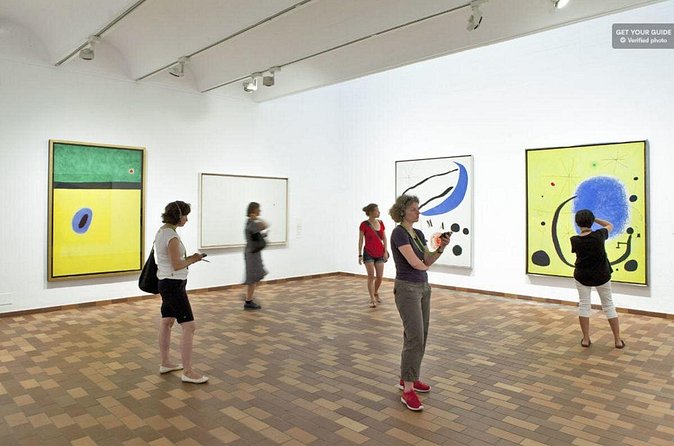
Start by letting the visual language reach you before trying to explain it. Notice the repeated use of bold colors and organic shapes. Pay attention to how much open space appears in some works, and how a small mark can carry as much weight as a large figure.
Miró once described his use of color as similar to words forming poems or notes forming music. You can keep that thought in mind as you walk. The point is not to translate every shape into one fixed answer. It is to watch color, line, and form work together.
The collection includes surrealist, fauvist, and expressionist works. These labels offer useful guideposts, but you do not need to memorize them. The more practical question is how the art changes your attention. Some pieces may feel playful, while others carry a darker or more forceful mood.
A famous example connected with Miró is La Masía, a painting Ernest Hemingway bought and compared to James Joyce’s Ulysses. The work is not simply a decoration or a colorful oddity. It reflects the artist’s ability to turn familiar subjects and personal memories into a dense field of signs. If it is part of the display during your visit, give it time. If it is not, the wider collection still shows the same concern with memory, place, and transformed forms.
Sculptures, ceramics, textiles, and drawings
The paintings often get the most attention, but I would not rush through the other materials. The sculptures show how Miró’s shapes behave when they occupy real space. A mark that seems weightless on a canvas can become heavy, awkward, funny, or almost creature-like in three dimensions.
Ceramics and textiles also help explain why Miró’s career cannot be reduced to one style of painting. The change in surface and material affects the way you look. Textiles invite attention to pattern and touch, while ceramics bring color and shape into objects with a practical, physical presence.
The drawings are especially useful if you want to see the artist’s ideas in a more immediate form. With up to 8,000 drawings in the collection, the museum has a large body of work behind its presentation. You may find that a quick line or spare sketch explains Miró’s visual thinking better than a finished piece does.
Graphic works round out the experience. They show how his symbols and colors could move into printed forms, rather than remaining limited to one original painting. Taken together, the different media make the museum feel like a study of a working artist, not just a room of famous images.
Same corner of Catalonia, a completely different day:
- Barcelona: Park Güell Admission Ticket
★ 4.4 · 76,534 reviews - Barcelona: Casa Batlló Entry with Self-Audioguide Tour
★ 4.7 · 25,359 reviews - Barcelona: 24 or 48-Hour Hop-On Hop-Off Bus Tour
★ 4.4 · 20,872 reviews - Barcelona in 1 Day: Sagrada Familia, Park Guell,Old Town & Pickup
★ 5.0 · 13,541 reviews
Temporary exhibitions add variety
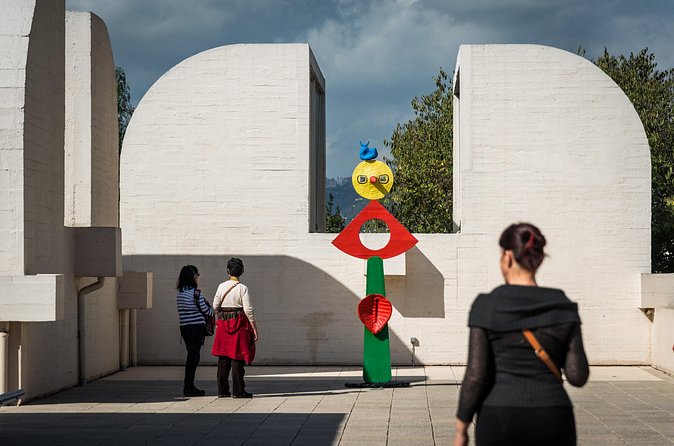
The ticket includes temporary exhibitions as well as the permanent collection. That makes the exact visit vary over time, but it also gives you a reason to return if you are spending more than one day in Barcelona or have visited the museum before.
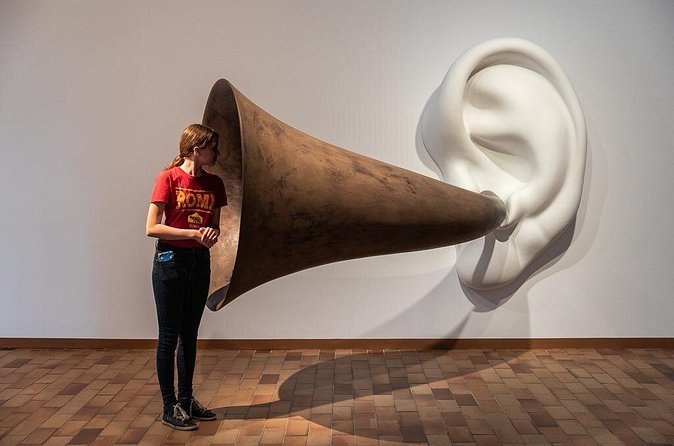
A temporary show can place Miró beside other artists, focus on one period, or explore a particular medium. Since the available details do not identify the exhibition running on your date, check the current program if a temporary show is a major reason for booking.
For a first visit, I would treat the temporary rooms as an extra rather than the main reason to buy the ticket. The permanent collection is what makes this stop worthwhile. Still, the additional galleries can stretch a 40-minute visit into a longer museum hour, especially if the subject catches your interest.
Skip-the-line access: useful, but not automatic value
The ticket costs $18.06 per person. That is a reasonable price if it saves you time, gives you convenient mobile entry, and includes both permanent and temporary exhibitions. It is less compelling if you arrive when the museum is quiet and could have entered without waiting.
One visit at 10 a.m. found no line at all. That does not mean every time slot will be empty. Queue length can change, and the value of skip-the-line entry depends on the day and hour. You are paying for convenience and advance planning, not a guaranteed dramatic time saving.
I would consider this ticket most useful if you prefer having admission arranged before you reach Montjuïc, or if your schedule is tight and you do not want to risk a ticket desk delay. If you are comfortable buying admission directly and visiting early, compare the price and current queue before committing to a third-party ticket.
The ticket does not appear to reserve a timed art tour. It is best understood as entry to the museum. That keeps the visit flexible, but it also means you are responsible for setting your own pace and finding your own context.
The audio guide problem matters
The booking information says the ticket includes an audio guide. Yet the museum has told some visitors that it has not offered audio guides for several years. This is the clearest weakness in the experience description, and you should take it seriously if recorded commentary is important to you.
Do not assume that an English audio device or app will be waiting at the entrance. The ticket is offered in English, but that does not necessarily mean the museum provides English commentary. The safest approach is to confirm the current audio arrangements before booking, especially if you are choosing this ticket over ordinary admission because of that feature.
This issue does not ruin the museum itself. The collection remains the main attraction, and the layout is easy enough to follow without a guide. But the difference between an entry ticket and an audio-supported visit affects the price you are willing to pay.
Who will get the most from this visit
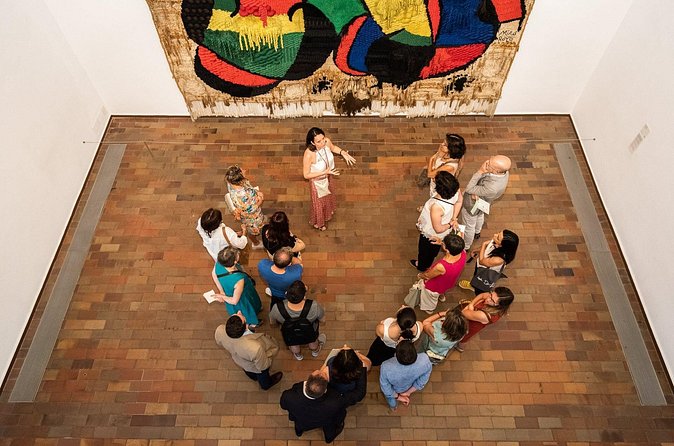
I would recommend Fundación Miró to anyone interested in modern art, especially if you like art that leaves room for personal interpretation. It also suits visitors who want a museum that can be visited in under two hours rather than a massive institution requiring half a day.
Families and mixed-interest groups may find the bold shapes and unusual sculptures easier to approach than long rows of formal portraits. The reported museum flow is straightforward, so you can move at different speeds without turning the whole visit into a complicated group exercise.
It is also a good fit for a Barcelona itinerary built around Montjuïc. You can pair it with other nearby plans, but the supplied information does not specify walking times or exact transport routes, so do not build a tightly timed schedule around unverified connections.
You may want to skip this ticket if you are buying it only for a guide, a guaranteed short queue, or a confirmed audio tour. None of those benefits is fully secure based on the information available. The art museum itself is the reliable part of the purchase.
Booking, cancellation, and practical planning
Confirmation arrives at the time of booking, and the ticket is mobile. Keep the voucher ready for the desk rather than looking for a guide outside. There is no named guide associated with this experience, and no guide-led itinerary is included.
Free cancellation is available if you cancel at least 24 hours before the experience start time. Cancellations made less than 24 hours in advance are not refunded, and changes inside that period are not accepted. The cut-off follows local Barcelona time.
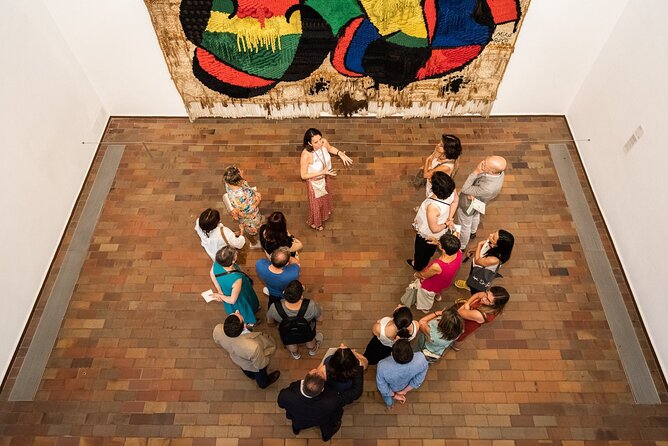
The listed duration is approximately 40 minutes to 1 hour 30 minutes. I would reserve at least 90 minutes if you want to see both exhibition areas and pause with the larger works. If you are combining the museum with other Montjuïc stops, remember that the museum time does not include your transport or time moving around the park.
Should you book the Fundación Miró ticket?
Book it if you want a simple mobile admission ticket to a well-designed museum with an excellent spread of Miró’s paintings, sculptures, drawings, ceramics, textiles, and graphic works. At $18.06, it can be fair value when the museum is busy or when advance planning matters more to you than finding the lowest possible entry cost.
Think twice if you are visiting early, since there may be no line to skip. Also think twice if the audio guide is a deciding factor. Confirm that detail first, because the museum has reportedly not offered one for several years despite the ticket description.
My practical choice would be to book this experience for convenience, not for a promised tour. Go for the permanent collection, allow 60 to 90 minutes, enjoy the temporary exhibition if it interests you, and treat the skip-the-line feature as a possible bonus rather than the whole reason to buy.
FAQ
Where is Fundación Miró located?
Fundación Miró is located in Parc de Montjuïc in Barcelona, Spain.
How much does the ticket cost?
The listed price is $18.06 per person.
How long does the museum visit take?
The approximate duration is 40 minutes to 1 hour 30 minutes.
Is the ticket mobile?
Yes. The experience provides a mobile ticket, and you present the voucher at the museum desk.
Is a guided tour included?
No guided tour is described. You go to the desk with your voucher, and there is no stated meeting point for a guide.
Is an audio guide included?
The booking information says an audio guide is included, but the museum has told some ticket holders that it has not offered audio guides for several years. Confirm the current situation before booking if this feature matters to you.
Are temporary exhibitions included?
Yes. The ticket includes the temporary exhibitions and the permanent exhibition.
What can I see in the museum?
The collection includes paintings, sculptures, drawings, ceramics, textiles, and graphic works by Joan Miró. The collection includes up to 217 paintings, 178 sculptures, and 8,000 drawings.
Is the museum near public transportation?
Yes. The museum is near public transportation.
Can I cancel for a refund?
Yes, if you cancel at least 24 hours before the experience start time. Cancellations made less than 24 hours before the start time are not refunded.
Just added around Barcelona
- GoCar Full Day Tour★ 4.0 · 6 reviews
- Sagrada Familia and Barcelona Highlights: Private Guided 4-Hour Driving Tour★ 5.0 · 6 reviews
- Barcelona: Highlights & Gems Private Tour with Tapa & Drink★ 3.9 · 6 reviews
- Gothic Quarter and Born District: Photographic Workshop★ 5.0 · 6 reviews
- Gobbi Yacht Rental in Barcelona 9 Pax 2/4/8hs★ 5.0 · 6 reviews
- Barcelona: Gothic Quarter & La Sagrada Familia Private Tour★ 4.9 · 6 reviews
- Private Sailboat Ride at Sunset from Sitges★ 5.0 · 6 reviews
- Barcelona: Private Tour of Casa Batllo with Reserved Access★ 3.5 · 6 reviews
Skip the Line, compared.

Park Guell Guided Tour with Skip The Line Entry
Read our review →
Sagrada Familia Skip-the-Line Entry Ticket & Tour
Read our review →
Park Guell Guided Tour with Skip the Line Ticket
Read our review →
Park Guell and Sagrada Familia Tour with Skip the Line Tickets
Read our review →

Sagrada Família Skip the Line Tour & Entry Ticket
Read our review →
Gaudi’s Casa Vicens Skip-the-Line Entrance Ticket
Read our review →Browse the lists this tour appears in