
Reviewed · ESCAPE ROOMS AND CITY GAMES
White Rabbit Museum: The Best Immersive Experience in Catalonia
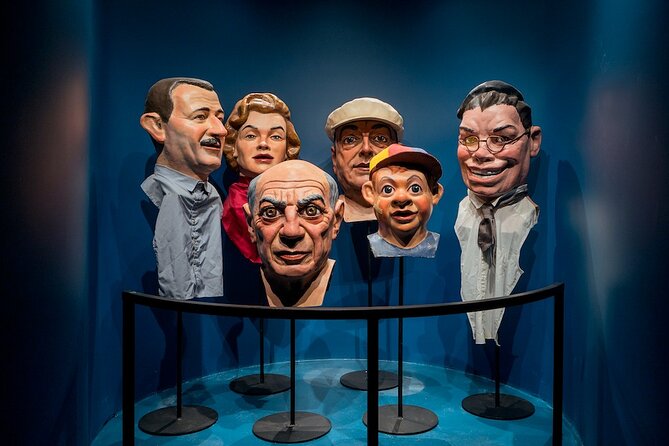
Barcelona’s White Rabbit Museum turns local culture into a playful hour of VR, 360-degree screens, artificial intelligence, and hands-on art. The 10 installations range from a dance-friendly room to the city’s largest infinity room, with Catalan traditions such as Sant Jordi and human towers worked into the displays.
I like the easy location, just two minutes from Casa Batlló, and the flexible open-time ticket. I also like that the museum gives local artists room to reinterpret Barcelona rather than simply placing old objects behind glass. The main drawback is its short length: at about one hour, it is a compact stop, not a full museum afternoon.
In This Review
- Key points to know
- White Rabbit is art with a Barcelona accent
- Ten installations in about one hour
- The infinity room is the visual highlight
- Catalan traditions without a long lecture
- Why the location works so well
- Is $19.35 a fair price for one hour?
- The OFF-SHOP adds a small local finish
- Who will enjoy White Rabbit most?
- Practical details before you go
- Should you book White Rabbit Museum?
- FAQ
- Where is White Rabbit Museum located?
- How long does the visit take?
- How many installations are included?
- What can I see inside White Rabbit?
- Can I arrive at any time?
- Is food included with admission?
- Can I cancel my booking for a refund?
Key points to know
- Ten local installations: Expect a mix of VR, 360-degree screens, artificial intelligence, an interactive cube, and photo-friendly rooms.
- Barcelona’s largest infinity room: This is one of the strongest stops for striking mirror photographs.
- Catalan culture in a playful form: Sant Jordi and human towers appear alongside contemporary art.
- Convenient central location: The entrance is a two-minute walk from Casa Batlló.
- Flexible arrival: You can enter at any time during the opening hours on your chosen day.
- A useful rainy or hot-weather stop: The indoor setting offers a cool break from central Barcelona sightseeing.
White Rabbit is art with a Barcelona accent
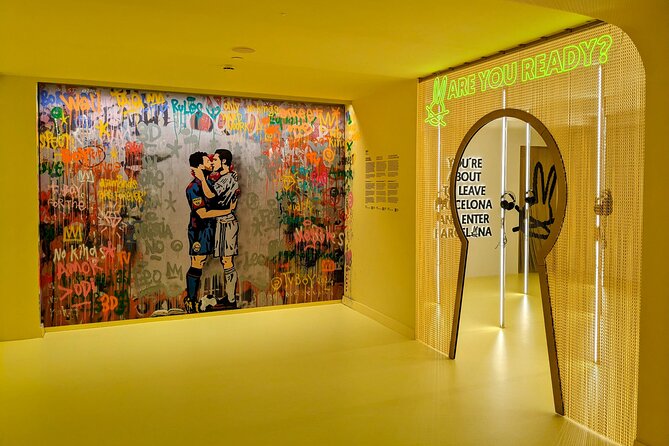
White Rabbit is not a traditional museum. You will not spend an hour reading long labels or moving through a chronological collection of paintings. Instead, you pass through 10 designed spaces where light, sound, screens, movement, and digital effects do much of the talking.
That format makes the museum easy to approach. You do not need a background in contemporary art to get something from it. You can simply look, touch, move, pose, and notice how each room changes your sense of space.
The Barcelona focus matters. The museum presents local traditions such as the legend and customs linked to Sant Jordi, as well as human towers, a Catalan tradition in which people form tall group structures. These references give the art a sense of place. You are not just entering a generic digital-art venue that could be anywhere.
At the same time, you should keep your expectations realistic. This is a modern attraction built around short visual encounters. Its cultural information is presented through creative displays rather than detailed historical interpretation. If you want a formal museum with extensive text and original masterpieces, the nearby Museu Nacional d’Art de Catalunya or Museu Picasso will suit you better.
More games across Barcelona:
- Barcelona: FC Barcelona Museum “Barça Immersive Tour” Ticket
★ 4.4 · 10,944 reviews - IKONO Barcelona: Immersive Experience
★ 4.5 · 1,596 reviews - Camp Nou Immersive Tour F.C.Barcelona Museum: Open Date Ticket
★ 4.0 · 1,307 reviews
Ten installations in about one hour
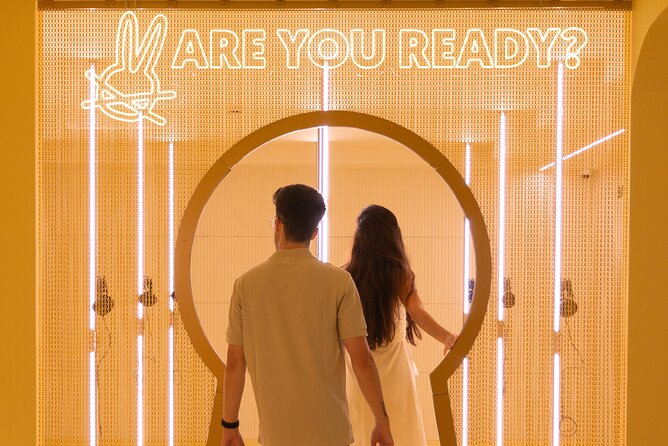
Your visit is built around 10 installations, each offering a different way to see or interact with Barcelona and contemporary art. The exact order is not specified, so you should think of the visit as a sequence of rooms rather than a fixed guided tour.
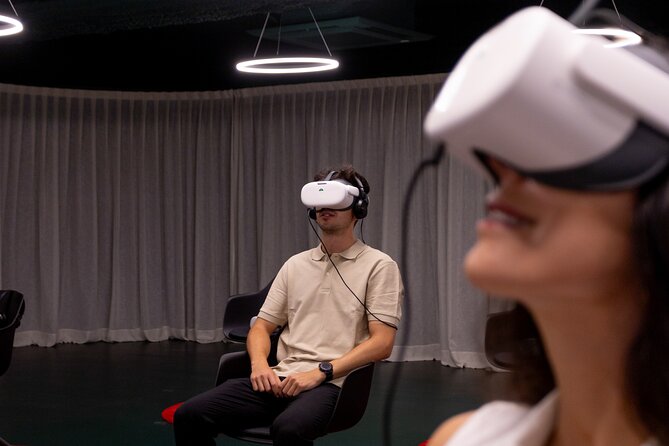
The technology is varied. One area uses virtual reality, while another uses 360-degree screens. An immersive cube creates a more enclosed visual effect, and artificial intelligence forms part of the museum’s digital approach. These are not small additions to a conventional collection. They are the central attraction.
I like this variety because it keeps the hour moving. If one room does not interest you, another may. The shift from VR to mirrors, from screens to physical interaction, gives the visit a more playful rhythm than a single repeated effect.
Some of the appeal is social. You can take photographs in unusual settings, and one visitor who creates music found the dance room useful for recording footage for a future project. That suggests the museum can work as more than a quick photo stop, although you should respect any rules about filming and other people in the rooms.
The dance room sounds especially useful for anyone who enjoys movement, music, or short creative videos. You may find it more memorable than a passive display because it gives you something to do, not just something to see.
The infinity room is the visual highlight
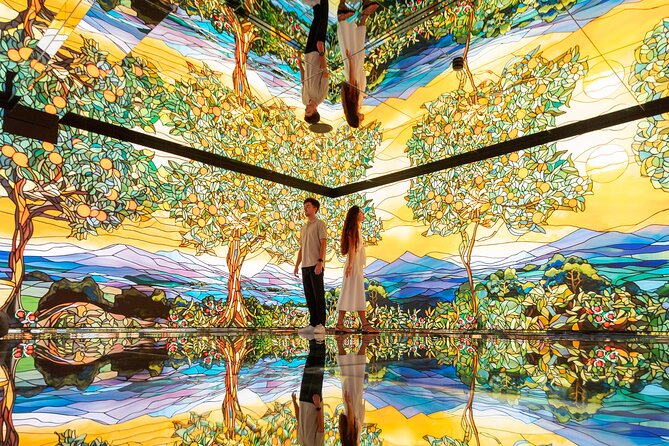
The largest infinity room in Barcelona is likely to be the moment you remember most clearly. Mirror rooms use repeated reflections to create the sense that the space continues beyond its actual walls. With the right angle, your photograph can look far larger and stranger than the room itself.
This is a good place to have your phone ready. The museum is designed for visual sharing, and the infinity room is one of the best spots for a distinctive photograph without needing a special viewpoint across the city.
Still, the room is not a substitute for Barcelona’s outdoor sights. You will not see the Sagrada Família, the sea, or the rooftops from here. Its value is theatrical rather than scenic. I would treat it as a playful photograph and a brief visual surprise, not as a major architectural visit.
Mirrored spaces can also feel crowded when several people are trying to frame pictures at once. The open-time admission helps spread arrivals across the day, but the museum may still feel livelier at popular times. If you want calmer photographs, arriving early in the opening period is a sensible choice, though no quiet period is guaranteed.
Catalan traditions without a long lecture
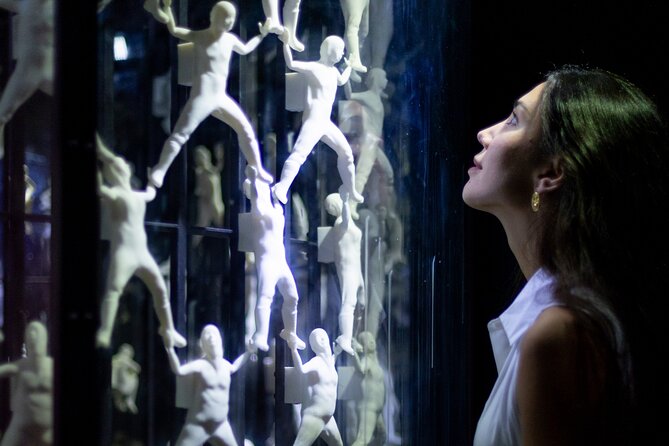
White Rabbit’s most useful cultural feature is the way it introduces Catalan traditions through contemporary installations. Sant Jordi is one of Catalonia’s best-known celebrations, associated with books and roses, while human towers are a powerful expression of community and coordination.
You will not receive a full cultural lesson here, and the supplied details do not indicate that a guide leads the visit. Instead, these traditions appear as part of the visual world. That makes the information easy to absorb during a busy Barcelona schedule.
For first-time visitors, this is a pleasant way to pick up local references before seeing them elsewhere. You may encounter Sant Jordi imagery in shops and public spaces, and human towers can appear in photographs, festivals, or cultural displays around Catalonia. White Rabbit gives you a first point of contact.
The trade-off is depth. If you are specifically interested in Catalan history, language, or traditions, you will need another museum, tour, or cultural site for more detail. Here, the purpose is to spark curiosity while keeping the visit lively.
More museums and sites in Barcelona:
- Barcelona: Park Güell and Gaudí House Museum Entry Ticket
★ 4.5 · 6,326 reviews - Barcelona: Picasso Museum Skip-the-Line Guided Tour
★ 4.5 · 3,355 reviews - Girona & Dali Museum Small Group Tour with Pick-up from Barcelona
★ 5.0 · 2,965 reviews - Moco Museum Barcelona Banksy & More
★ 4.6 · 2,340 reviews
Why the location works so well
White Rabbit is in the heart of Barcelona, only a two-minute walk from Casa Batlló. That makes it easy to pair with a stroll along Passeig de Gràcia, one of the city’s major avenues for Modernisme architecture and shopping.
You can use the museum as a planned stop between central sights. A one-hour visit fits neatly before lunch, after a Casa Batlló time slot, or during a hot part of the day. Since the ticket is valid for any arrival time during the opening hours of your selected day, you are not tied to one narrow entry slot.
That flexibility is helpful in Barcelona, where sightseeing times can shift because of meals, queues, heat, or simply taking longer than expected at a church or market. You still need to visit on the date you book, but you can choose your arrival time within the day’s opening period.
The museum is near public transportation, though no specific station or route is provided. You will need to check the best connection from your hotel or previous stop. Hotel pickup and drop-off are not included, so plan to reach the museum independently.
Is $19.35 a fair price for one hour?

At $19.35 per person, White Rabbit is priced like a short city attraction rather than a full-day museum. The value depends on what you want from your Barcelona sightseeing.
I consider the price reasonable if you want a compact indoor activity with strong photo opportunities and several types of digital art. Ten installations, VR, the infinity room, and local cultural references give the visit more substance than a single projection show.
The cost is less attractive if you measure admission by time alone. The visit lasts about one hour, and food and drinks are not included. You are paying for the design of the rooms and the technology, not for a large collection or hours of content.
The location improves the value. Since you can combine White Rabbit with Casa Batlló and other Passeig de Gràcia sights, you do not need to make a special cross-city trip for a short attraction. It works best as one piece of a central Barcelona day.
The museum has a 5 out of 5 rating from 539 ratings, with 100 percent of the displayed recommendations favoring it. That is a strong satisfaction signal, especially for people looking for interactive art, but it should not change the basic calculation: this is a one-hour experience with a modern, playful focus.
The OFF-SHOP adds a small local finish
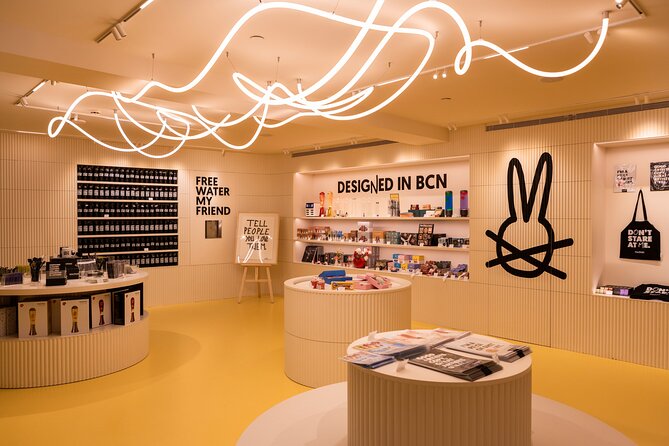
At the end, you can visit the OFF-SHOP. It carries exclusive gifts, specialty coffee, and ice cream from local brands.
This is a nice closing touch because it gives you a chance to extend the visit without adding another formal stop to your schedule. You can browse for a small souvenir, have coffee, or cool down with ice cream before continuing through the city.
Food and drinks are not included in the admission price. Think of the shop as an optional extra, not part of the ticket package. If you are watching your budget, you can simply leave after the installations.
The local-brand focus also fits the museum’s wider approach. White Rabbit is trying to connect digital art with Barcelona’s creative scene, and the shop carries that idea into what you can buy and taste afterward.
Who will enjoy White Rabbit most?
I would recommend this museum to several kinds of visitors:
- Families, because the rooms give children and adults something to look at and do.
- Teenagers and young adults, especially those who like VR, digital effects, music, or taking photographs.
- Couples and friends, who can make the visit a shared photo and play stop.
- Creative people, including photographers, musicians, and content makers looking for unusual settings.
- First-time visitors, who want a light introduction to Catalan symbols without committing to a long history museum.
- Anyone needing a break from the heat, since the museum offers an indoor activity in a central location.
I would be more cautious about recommending it to someone who prefers quiet galleries, traditional paintings, or detailed historical explanations. You may find the screens and interactive effects too light if your main goal is serious art study.
The museum is also a good choice for a mixed-interest group. One person can enjoy the technology, another can focus on the cultural references, and everyone can take photographs. That broad appeal is one reason the attraction works well for families.
Practical details before you go
The museum is open every day from 10:00 a.m. to 8:00 p.m. during the stated operating period, which runs from June 5, 2024, through January 3, 2027. The ticket is a mobile ticket, so you can keep admission on your phone.
Your confirmation arrives when you book. Since the open-time ticket allows entry at any time during the opening hours on your chosen day, you have room to adjust your schedule. The experience is booked, on average, eight days ahead, so reserving about a week before your visit is sensible if your dates are fixed.
Service animals are allowed, and the museum is near public transportation. Most people can participate, though the provided information does not give detailed access notes for every installation. If you need specific accessibility arrangements, contact the provider before booking.
Free cancellation is available if you cancel at least 24 hours before the experience start time. A cancellation made less than 24 hours before the start is not refunded, and changes inside that period are not accepted. The cutoff uses Barcelona local time.
Should you book White Rabbit Museum?
Book it if you want one lively indoor hour near Casa Batlló, with digital art, strong photo settings, VR, and a touch of Catalan culture. The infinity room, dance room, and changing formats give the visit enough variety to justify its short length.
Skip it if you are seeking a traditional museum, a guided cultural tour, or a large collection that fills half a day. At $19.35, it is best judged as a compact attraction that fits into a central Barcelona itinerary.
My practical advice is to pair it with Casa Batlló, keep your phone charged, and leave some flexibility in your schedule. For families, creative visitors, and anyone who wants a break from the usual monuments, White Rabbit is a smart addition.
FAQ
Where is White Rabbit Museum located?
White Rabbit is in central Barcelona, just a two-minute walk from Casa Batlló.
How long does the visit take?
The experience lasts approximately one hour.
How many installations are included?
Admission includes access to 10 art installations created by local artists.
What can I see inside White Rabbit?
The museum includes virtual reality, an interactive cube, 360-degree screens, artificial intelligence, Barcelona’s largest infinity room, and displays connected to Catalan traditions such as Sant Jordi and human towers.
Can I arrive at any time?
Yes. The ticket is an open-time ticket, allowing access at any time during the opening hours on the chosen day. The museum is open Monday through Sunday from 10:00 a.m. to 8:00 p.m. during the stated operating period.
Is food included with admission?
No. Food and beverages are not included. You can visit the OFF-SHOP for specialty coffee, ice cream from local brands, and exclusive gifts.
Can I cancel my booking for a refund?
Yes, if you cancel at least 24 hours before the experience start time. Cancellations made less than 24 hours before the start are not refunded, and changes within that period are not accepted.
Just added around Barcelona
- GoCar Full Day Tour★ 4.0 · 6 reviews
- Sagrada Familia and Barcelona Highlights: Private Guided 4-Hour Driving Tour★ 5.0 · 6 reviews
- Barcelona: Highlights & Gems Private Tour with Tapa & Drink★ 3.9 · 6 reviews
- Gothic Quarter and Born District: Photographic Workshop★ 5.0 · 6 reviews
- Gobbi Yacht Rental in Barcelona 9 Pax 2/4/8hs★ 5.0 · 6 reviews
- Barcelona: Gothic Quarter & La Sagrada Familia Private Tour★ 4.9 · 6 reviews
- Private Sailboat Ride at Sunset from Sitges★ 5.0 · 6 reviews
- Barcelona: Private Tour of Casa Batllo with Reserved Access★ 3.5 · 6 reviews
Escape Rooms and City Games, compared.

FC Barcelona Museum “Barça Immersive Tour” Ticket
Read our review →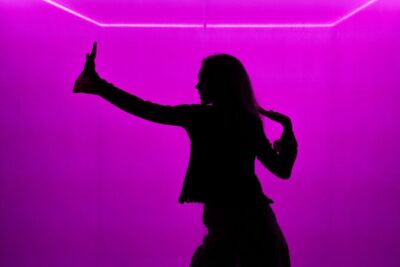
Camp Nou Immersive Tour F.C.Barcelona Museum: Open Date Ticket
Read our review →

Barcelona Hop-On Hop-Off Bus and FC Barcelona Immersive Tour
Read our review →
White Rabbit Catalonia’s Top Immersive Experience
Read our review →
Browse the lists this tour appears in