
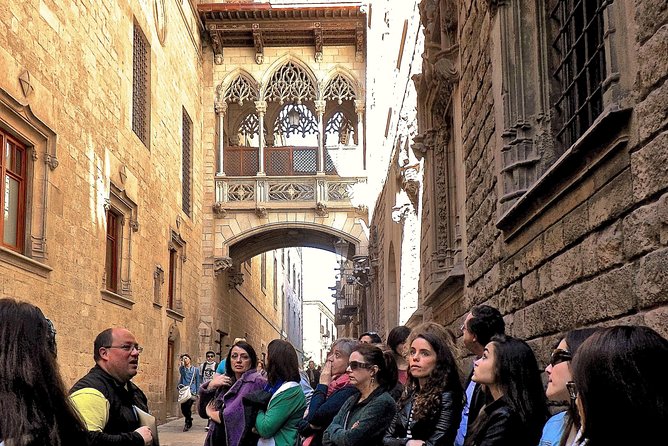
Reviewed · GOTHIC QUARTER WALKING TOURS
Barcelona Old Town & Gothic Quarter Small Group Tour
Barcelona’s oldest streets make the most sense on foot, especially when a local guide points out Roman stones, medieval lanes, Gaudí details, and stories you would likely miss while following a map. This tour covers the Gothic Quarter and El Born in about two and a half hours, then finishes near the beautiful Palau de la Música Catalana.
I like the small-group format, which is capped at 12 people in the tour description and listed elsewhere as a maximum of 15. I also like the route’s variety: Roman remains, La Boqueria market, grand squares, churches, and modernist architecture all appear in one compact walk. The main consideration is that the pace is steady, food and drinks cost extra, and admission to Barcelona Cathedral and Santa Maria del Mar is not included.
In This Review
- Key points to know before booking
- Why this walk works for a first day in Barcelona
- Starting at Carrer de Fontanella
- Gothic Quarter: Roman stones and medieval lanes
- Ciutat Vella and the story of the Old City
- La Rambla: Barcelona’s famous public stage
- La Boqueria: a colorful stop with extra costs
- Plaça Reial and the lanterns linked to Gaudí
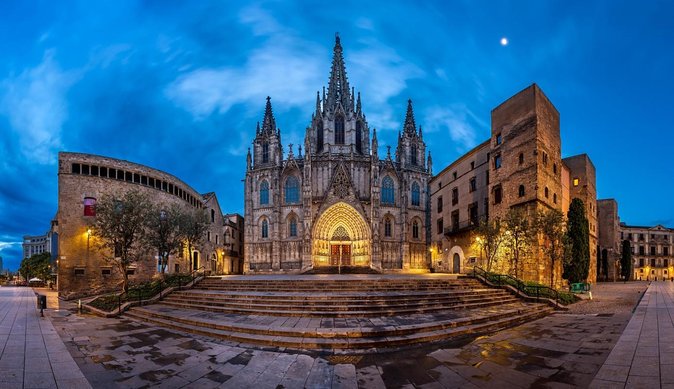
- Barcelona Cathedral: exterior views and Gothic detail
- El Born and Santa Maria del Mar
- Finishing beside Palau de la Música Catalana
- Guide quality and the small-group difference
- Timing, walking effort, and family use
- Is $22.15 good value?
- Who should book this Barcelona walk?
- Final verdict: book it for orientation and local stories
- FAQ
- How long does the Barcelona Old Town and Gothic Quarter tour last?
- What language is the tour offered in?
- Where does the tour start?
- Where does the tour end?
- Are food and drinks included?
- Are entrance fees to Barcelona Cathedral and Santa Maria del Mar included?
- Can children join the tour?
- Can I cancel for a full refund?
Key points to know before booking
- Roman Barcelona appears beneath the medieval streets: Your guide connects the Gothic Quarter’s lanes with the old Roman settlement.
- The route covers several different districts: You walk through Ciutat Vella, the Gothic Quarter, La Rambla, and El Born.
- La Boqueria is a useful food stop: You can look around, buy juice, or grab a snack, but purchases are not included.
- Small groups make questions easier: Guides including Alba, Joris, Isabel, Miguel, and Steven receive especially warm praise for clear explanations and friendly storytelling.
- The finish is near a major modernist landmark: The tour ends close to Palau de la Música Catalana, a UNESCO-listed concert hall.
- The price is modest for a first orientation: At $22.15, this is a low-cost way to get your bearings before exploring on your own.
Why this walk works for a first day in Barcelona
Barcelona’s Old Town is not one tidy historic quarter. It is a patchwork of Roman traces, medieval churches, narrow lanes, busy public spaces, food markets, and newer cultural districts. A map can show you where to walk, but it cannot explain why a street bends, why a square feels so open, or how Barcelona grew beyond its old walls.
That is the useful part of this tour. You move through the city’s oldest core while someone explains the layers under your feet. The route does not focus on one single monument. Instead, it gives you a working introduction to the city.
At $22.15 per person, the value is strong if you are visiting Barcelona for the first time or have only a short stay. You receive a professional local guide, an English-language walking tour, and a route that would take more effort to organize alone. The guide can also answer questions about local customs, Catalan culture, politics, food, and places to return to later.
The format suits curious adults, families, and first-time visitors. One family reported that the walk was manageable with a stroller, while another found that teenagers stayed interested because the guide used stories and small details rather than a dry list of dates.
More Gothic Quarter walks:
- Barcelona in 1 Day: Sagrada Familia, Park Guell,Old Town & Pickup
★ 5.0 · 13,541 reviews - Barcelona all included: Sagrada, Park Güell, Montjuic & Gothic
★ 5.0 · 2,169 reviews - Barcelona: Sagrada Familia, Modernism, and Old Town Tour
★ 4.7 · 1,621 reviews
Starting at Carrer de Fontanella
The meeting point is at Carrer de Fontanella, 2, in Ciutat Vella. This is a central location near public transportation, which makes it practical if you are coming from another part of Barcelona.
Give yourself enough time to find the exact meeting place. One participant noted that the map location and the actual meeting point appeared to be more than 100 meters apart. That is not a major problem, but it is a good reason to check the confirmation details before you leave and arrive a few minutes early.
The tour is offered in the morning or afternoon. I like having that choice because it lets you fit the walk around a museum visit, a meal, or an arrival day. Keep in mind that the Old Town can be crowded, and narrow streets make it harder to hear if you lag behind.
The group is intended to be small, with a stated limit of 12 people and an additional maximum of 15 listed in the practical details. That is still far more personal than a large coach excursion. You should be able to ask questions, hear the guide, and stay connected as the route moves through busy streets.
Gothic Quarter: Roman stones and medieval lanes
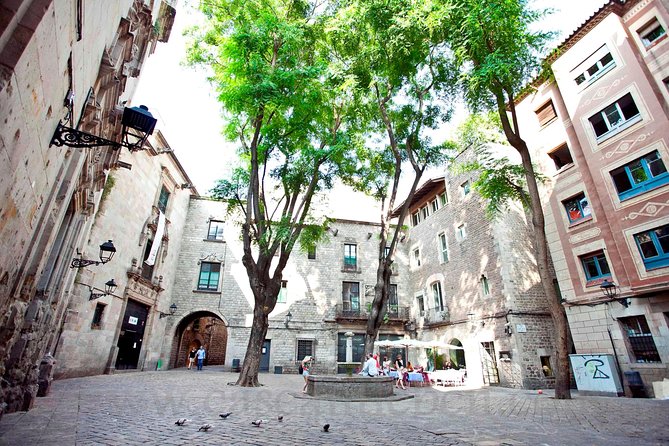
The Gothic Quarter is the heart of the walk. Here, you wander through narrow lanes and small squares where the remains of Roman Barcelona can still be seen. The city began as a Roman settlement, and the old stones provide a useful reminder that Barcelona is much older than its famous modernist buildings.
The medieval layer comes next. Churches, stone façades, hidden corners, and irregular streets give the district its particular character. Your guide explains how a small Roman settlement grew into a medieval city and how legends became part of the neighborhood’s identity.
This part is best experienced slowly, but the whole tour has a fixed schedule. The Gothic Quarter portion is listed at about 45 minutes, so expect an introduction rather than a full study of every lane and monument. You will get the main context and a sense of where to return if you want a longer wander later.
A guide adds real value here because the streets can look similar at first glance. Without help, you might walk past a Roman remnant or miss an architectural detail overhead. Guides such as Joris, Alba, Isabel, and Nilo have been praised for making the stories easy to follow and for answering questions without rushing the group.
Ciutat Vella and the story of the Old City
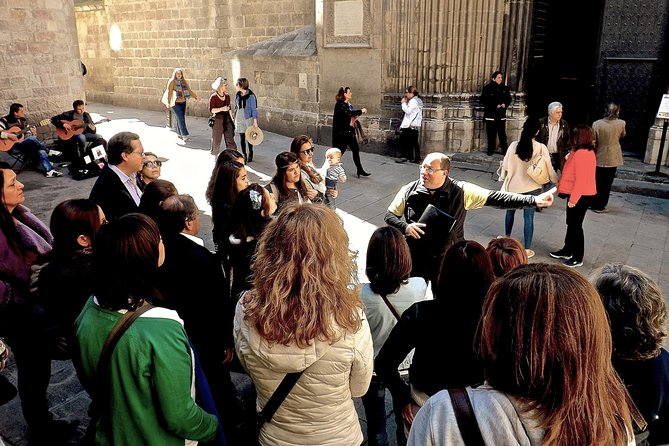
Ciutat Vella means Old City in Catalan. The term covers Barcelona’s oldest neighborhoods, including the Gothic Quarter and El Born. The short stop here gives your guide a chance to explain how these districts fit together.
This is also where the walk moves beyond buildings. Barcelona’s past includes Roman rule, medieval growth, Catalan traditions, and modern political and cultural change. Several guides have been praised for connecting the city’s past with present-day customs and politics, which can make the streets feel less like an open-air museum and more like a living part of Barcelona.
The scheduled time is only about 15 minutes, so do not expect a separate, detailed tour of every part of Ciutat Vella. Think of it as useful orientation before the route continues toward La Rambla.
A few more Barcelona options worth an hour of your trip
- Barcelona: Park Güell Admission Ticket
★ 4.4 · 76,534 reviews - Barcelona: Casa Batlló Entry with Self-Audioguide Tour
★ 4.7 · 25,359 reviews - Barcelona: 24 or 48-Hour Hop-On Hop-Off Bus Tour
★ 4.4 · 20,872 reviews - Barcelona: Park Guell Guided Tour with Skip The Line Entry
★ 4.7 · 17,563 reviews
La Rambla: Barcelona’s famous public stage
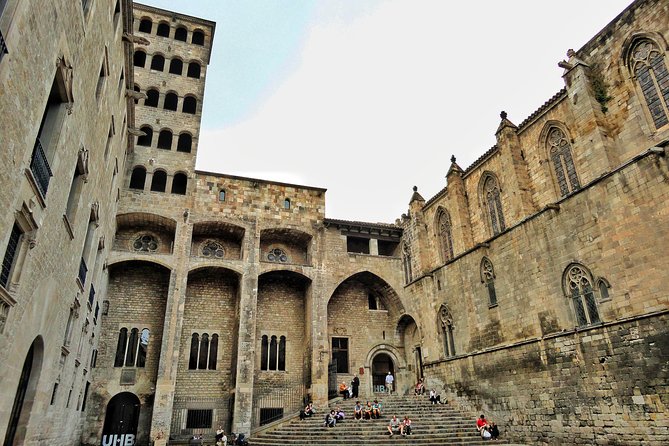
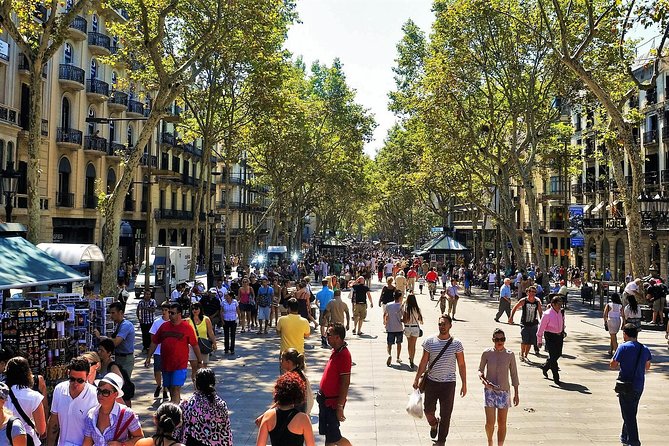
La Rambla is Barcelona’s best-known avenue, lined with restaurants, bars, street performers, and constant foot traffic. The route uses it as a bridge between the older quarters and the market.
Your guide also explains the street’s earlier purpose. In medieval times, this area was a sandy watercourse near the edge of the old city walls, serving as a natural defensive boundary. That small piece of background changes the way you see the avenue. Today it is a major public promenade, but its shape began with geography and defense.
The walk along La Rambla lasts around 15 minutes. That is enough to take in the atmosphere and hear the basic story, but not enough for a detailed look at every building. I would treat this stretch as a moving introduction rather than a destination in itself.
Because La Rambla is busy, keep close to the guide and your group. The small-group setup helps here. One guide was praised for calling separated group members so they could find the walk again, but it is better not to rely on that safety net.
La Boqueria: a colorful stop with extra costs
The Mercat de la Boqueria is one of the most enjoyable parts of the route for anyone interested in food. You enter from La Rambla and get time to look at the colorful stalls, fresh produce, cured meats, and Catalan specialties.
The planned stop lasts about 15 minutes. You can buy a fresh fruit juice or something to eat, but food and drinks are not included in the tour price. That short time is enough for a glance and perhaps a quick purchase, not a leisurely market meal.
I like this stop because it gives the route a sensory break from architecture and history. It also helps you decide if you want to return later. One person specifically enjoyed the market and went back after the tour, which is a sensible plan if you want to browse without keeping an eye on the group.
Do not expect the guide to provide tastings as part of the booking. The value here is access, orientation, and suggestions. Your own purchases are up to you.
Plaça Reial and the lanterns linked to Gaudí
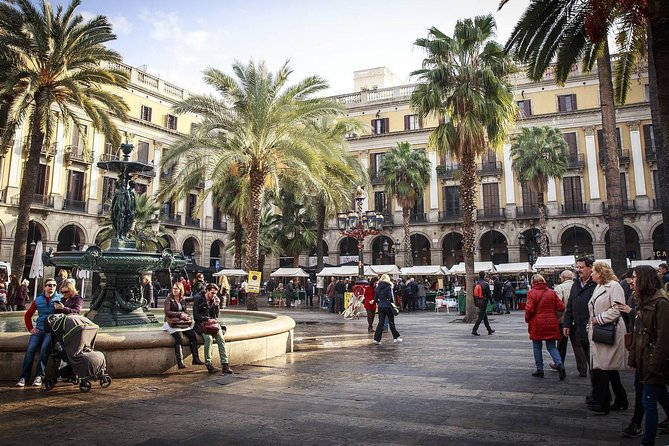
Plaça Reial opens suddenly after the tight lanes of the Gothic Quarter. Its large space, palm trees, terraces, fountain, and elegant lamps make it one of the easiest squares to recognize on the route.
The square is associated with Napoleonic-era architecture and has long attracted artists, bohemians, and people looking for a place to sit. The fountain of the Three Graces adds a classical touch, while the lamps are linked to a young Antoni Gaudí and one of his first public commissions.
The stop lasts about 15 minutes. That is enough to hear the story and appreciate the layout, though you will need to return on your own if you want a long café break. The square works well as a visual contrast to the darker, narrower medieval streets nearby.
Barcelona Cathedral: exterior views and Gothic detail
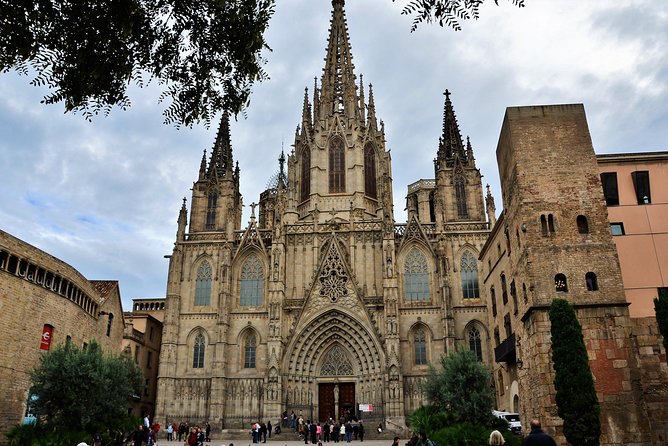
The route passes Barcelona Cathedral, one of the major Gothic buildings in the Old Town. Look up toward the towers and gargoyles, then notice how much height and light the structure brings to the surrounding lanes.
The cathedral is dedicated to Saint Eulalia, a young virgin who is an important figure in Barcelona’s religious tradition. The building includes a bright interior space, a patio, and tall columns.
Admission is not included, and the itinerary describes this as a pass-by stop rather than a full interior visit. That distinction matters. If you want to see the cloister or interior in detail, plan a separate visit and check current entry arrangements yourself.
The stop is listed at about 15 minutes, so your guide will provide context and exterior appreciation rather than a complete architectural tour. For many visitors, that is enough on a first orientation walk. For others, the cathedral will be one of the places worth revisiting.
El Born and Santa Maria del Mar
The route then heads into El Born, a district where older buildings and newer uses sit side by side. Its lanes have a different feel from the Gothic Quarter, with attractive squares, cultural sites, and places where local life continues around the historic fabric.
The scheduled El Born stop is about 15 minutes. Your guide points out the district’s character and key sights, including Santa Maria del Mar and Palau de la Música Catalana.
Santa Maria del Mar is one of the walk’s major historical stops. Built in medieval times by the people of the neighborhood, it is often called the real cathedral of the Old Town. Its importance comes not only from its Catalan Gothic design, but also from the story of a community building its own church.
Admission is not included. The listed time is about 15 minutes, so you should expect to see the exterior and receive an introduction rather than explore every part of the basilica. If you want to enter, budget extra time and money after the tour.
This section gives the walk a strong finish because El Born feels less enclosed than some parts of the Gothic Quarter. You are still surrounded by old Barcelona, but the district also points toward the city’s current cultural life.
Finishing beside Palau de la Música Catalana
The tour ends near Palau de la Música Catalana on Carrer del Palau de la Música. This location is convenient because you finish in the city center and can continue through El Born without retracing the route.
The building itself is a fine final sight. Designed by Lluís Domènech i Montaner, who taught Gaudí, it combines sculpture, mosaic, stained glass, and wrought iron. It is the only concert hall recognized as a UNESCO World Heritage Site, according to the tour information.
The tour does not include a concert or interior visit. Still, ending near the building gives you a clear next option. You can admire the exterior, continue exploring El Born, stop for a meal, or return later for a dedicated visit.
Guide quality and the small-group difference
The guides are the most praised part of this experience. Alba is repeatedly described as warm, energetic, and especially good with families and children. Joris is noted for his patience, humor, and ability to answer many questions. Isabel receives praise for linking Roman, Visigoth, Moorish, and Spanish republican periods in a clear story.
Miguel is described as engaging and helpful, including with practical suggestions for food and later sightseeing. Steven is praised for discussing local customs and politics as well as the main historical material. Other named guides include Tatiana, Nilo, Anna, Adria, Laura, Ane, Stephanie, and Jose Carlos.
You cannot necessarily choose your guide when booking, so do not book on the assumption that one particular person will lead your group. The broader pattern is more useful: the experience depends heavily on a guide who can tell stories, manage a group in crowded streets, and adjust the pace.
The published rating is 4.8 from 1,309 ratings, with 96 percent recommending the experience. That is a strong record, though no walking tour can guarantee the same guide or the same group dynamic every time.
Timing, walking effort, and family use
The tour lasts approximately two hours and 30 minutes. The listed stops add up to roughly that length, with many short 15-minute sections. You will be walking through uneven historic streets, standing while the guide talks, and moving through crowded public areas.
Wear comfortable shoes. The tour does not include hotel pickup or drop-off, so you must reach Carrer de Fontanella on your own and make your own way onward from Palau de la Música Catalana.
Children under two can join free, and children aged three to eight receive a 30 percent discount. Children must be accompanied by an adult. Most people can participate, and service animals are allowed.
Families should like the storytelling approach, especially if children enjoy short stories, unusual details, and changing scenery. The route is also useful for parents who would rather have someone else handle the map while they focus on keeping the family together.
Is $22.15 good value?
For $22.15, this is a good buy if you want a broad introduction to central Barcelona. You cover several of the city’s most important historic areas with a local guide, and you avoid spending your first day trying to understand a confusing street plan.
The price does not cover cathedral or basilica entry, food, drinks, transportation, or hotel service. Those exclusions are reasonable for a walking tour, but you should include them in your day’s budget.
The tour is less useful if you already know the Gothic Quarter well or want long interior visits at each church. It also is not a food tour, despite the Boqueria stop. You get a brief market visit, not a tasting program.
Who should book this Barcelona walk?
I would book it early in a Barcelona stay, especially if you have never visited the city. The tour is booked an average of 41 days ahead, so popular morning and afternoon departures may fill well before your trip.
It suits you best if you want:
- A clear first look at the Old Town
- Historical context without a full-day commitment
- A small group and time for questions
- A family-friendly route through several districts
- Ideas for places to revisit independently
- A central finish near El Born and Palau de la Música Catalana
I would choose another format if you want a private, slow-paced architectural study or full access to the cathedral and basilica. A private upgrade is available, but the standard tour already offers a personal feel at a lower price.
Final verdict: book it for orientation and local stories
Book this tour if you want Barcelona’s Old Town to make sense quickly. Its best features are the compact route, the small group, the mix of Roman and medieval remains, the stop at La Boqueria, and guides who turn local history into an easy conversation.
The main limits are just as clear: paid admissions are not included, the market visit is brief, and the walking pace leaves little time for lingering. For $22.15, though, you receive a useful first map of Barcelona in human form. Take the tour early, note the places you want to revisit, and use the finish in El Born as the start of your own afternoon.
FAQ
How long does the Barcelona Old Town and Gothic Quarter tour last?
The tour lasts approximately two hours and 30 minutes.
What language is the tour offered in?
The tour is offered in English.
Where does the tour start?
It starts at Carrer de Fontanella, 2, Ciutat Vella, 08002 Barcelona, Spain.
Where does the tour end?
It ends on Carrer del Palau de la Música, near Palau de la Música Catalana in the Born District.
Are food and drinks included?
No. Food and drinks are not included. You can buy a fresh juice or food at La Boqueria during the stop.
Are entrance fees to Barcelona Cathedral and Santa Maria del Mar included?
No. Admission to both Barcelona Cathedral and the Basilica of Santa Maria del Mar is not included.
Can children join the tour?
Yes. Children must be accompanied by an adult. Children under two join free, and children aged three to eight receive a 30 percent discount.
Can I cancel for a full refund?
Yes. You can cancel at least 24 hours before the experience start time for a full refund. Cancellations made less than 24 hours before the start time are not refunded.
Just added around Barcelona
- GoCar Full Day Tour★ 4.0 · 6 reviews
- Sagrada Familia and Barcelona Highlights: Private Guided 4-Hour Driving Tour★ 5.0 · 6 reviews
- Barcelona: Highlights & Gems Private Tour with Tapa & Drink★ 3.9 · 6 reviews
- Gothic Quarter and Born District: Photographic Workshop★ 5.0 · 6 reviews
- Gobbi Yacht Rental in Barcelona 9 Pax 2/4/8hs★ 5.0 · 6 reviews
- Barcelona: Gothic Quarter & La Sagrada Familia Private Tour★ 4.9 · 6 reviews
- Private Sailboat Ride at Sunset from Sitges★ 5.0 · 6 reviews
- Barcelona: Private Tour of Casa Batllo with Reserved Access★ 3.5 · 6 reviews
Gothic Quarter Walking Tours, compared.
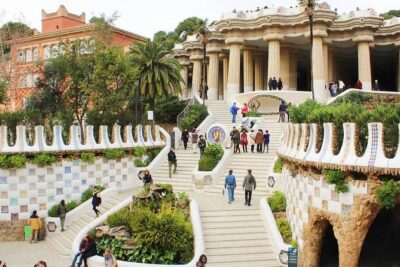
Barcelona in 1 Day: Sagrada Familia, Park Guell,Old Town & Pickup
Read our review →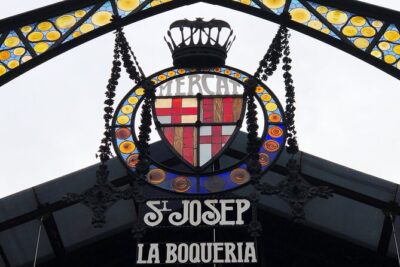
Barcelona all included: Sagrada, Park Güell, Montjuic & Gothic
Read our review →
Sagrada Familia, Modernism, and Old Town Tour
Read our review →
Barcelona Gothic Quarter Tapas & Taverns Food & Wine Tour
Read our review →
Gothic Quarter Ghosts and Legends Walking Tour
Read our review →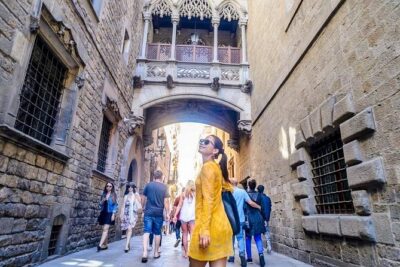
Barcelona Helicopter, Sailboat & Old Town Private Walking Tour
Read our review →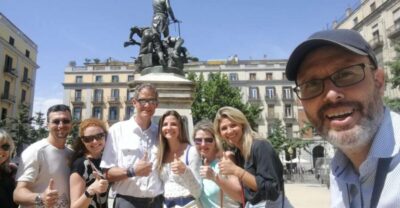
Barcelona e-Bike Tour: Gaudí & Old Town Small Group
Read our review →Browse the lists this tour appears in