
Reviewed · CYCLING TOURS
Barcelona | StreetArt Bike Tour Moco Museum
Barcelona’s street art is not confined to a gallery. It appears on side streets, old industrial walls, public squares, and the edges of famous sights. This 2.5-hour electric-bike tour connects those scattered works into one lively route, from Keith Haring’s mural near MACBA to El Beso by the cathedral.
I like the way the tour links big-name art with local graffiti, including El Xupet Negre and Ágora Benítez. I also like the moving route: guides can adjust it as walls change, which matters in a city where outdoor art can disappear, be painted over, or appear overnight. The main drawback is simple: you need to ride a bike comfortably, and the route includes city streets rather than a quiet bike path.
In This Review
- Key points to know before booking
- What you are really getting for $34
- Meeting at Carrer dels Tallers
- From CCCB to MACBA: Barcelona’s modern-art center
- Raval streets and the early graffiti scene
- Rambla del Raval and the message of public art
- Carrer de l’Aurora and Ágora Benítez
- Tres Xemeneies and the old industrial edge
- Paral·lel to the waterfront
- El Beso, the cathedral, and the final sights
- The guide makes the difference
- Weather, comfort, and riding ability
- Who will enjoy this bike tour most
- Should you book the Moco Street Art Bike Tour?
- FAQ
- How long is the Barcelona StreetArt Bike Tour?
- Where does the tour start?
- Where does the tour end?
- What language is the tour conducted in?
- Is an electric bike included?
- Is water provided?
- Are helmets included?
- What happens if it rains?
- Can I cancel the booking?
Key points to know before booking
- Keith Haring’s AIDS mural near the Barcelona Museum of Contemporary Art gives the tour an important social and artistic focus.
- Electric bikes cover a wide route through the old city, Raval, Paral·lel, waterfront, cathedral area, and Passeig de Gracia.
- The street-art route changes over time, so some murals may differ from those listed here.
- Guide Eirini is specifically praised for making the tour enjoyable, while guides also offer restaurant suggestions after the ride.
- The $34 price includes the bike, water, handlebar bag, guide, and picture stops, but adult helmets cost extra if requested in advance.
- Rain does not automatically cancel the ride, and a free poncho is provided.
What you are really getting for $34
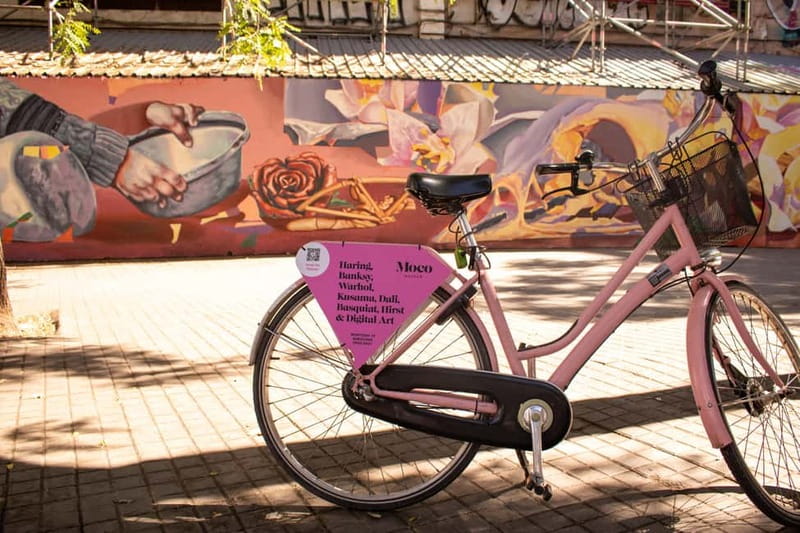
At $34 per person, this tour is priced as a modest half-day activity rather than a simple bike rental. You receive an English-speaking guide, an electric bike, a bottle of water, a small handlebar bag, and planned stops for photographs.
The value comes from the route and the explanations. You could find several of these works on your own, especially around MACBA and the Raval, but locating them in the right order would take time. You would also miss much of the background about who made the work, why it appeared there, and how Barcelona’s streets became a place for public art.
I would not book this mainly as a way to visit formal museums. The ride passes the Barcelona Museum of Contemporary Art and the Centre de Cultura Contemporània de Barcelona, but the focus is the art outside their walls. Museum admission is not included in the information provided, so think of this as an urban-art ride with museum districts along the way.
The electric bike also improves the value. The route covers central neighborhoods, the waterfront, Paral·lel, the cathedral area, and Passeig de Gracia in one outing. You still pedal, but the motor should make the distance less tiring than a standard bicycle tour.
More bike days around Barcelona:
- Barcelona 3-hour Bike or E-Bike Tour: Highlights and Hidden Gems
★ 5.0 · 1,429 reviews - Barcelona: 2.5-Hour Bike or E-Bike Historical Tour
★ 4.5 · 1,262 reviews - Barcelona E-Bike Photography Tour
★ 5.0 · 843 reviews
Meeting at Carrer dels Tallers
The starting point is Carrer dels Tallers 45, at the passage near the palm tree. You should arrive about 10 minutes before the 11 am start, since the tour begins with a short safety briefing at El Gat de Botero.
The meeting point is central, but pay attention to the wording. You need to enter the passage where the Barcelona Ciclo Tour team is waiting, rather than simply stopping on the street outside. That small detail can save you a rushed start.
The bikes are electric, and one is provided for each person. A handlebar bag gives you a place for small belongings, while the free water bottle is useful on a warm Barcelona morning. Bring sunglasses, a hat, sunscreen, comfortable clothing, and a charged phone for photographs.
Adults can request a helmet in advance for an additional cost. Helmets are mandatory for children up to age 16, and children’s helmets are supplied free. Headphones are not allowed, which is sensible on a guided city ride where you need to hear instructions and stay aware of traffic.
From CCCB to MACBA: Barcelona’s modern-art center
The early part of the route introduces you to Barcelona’s contemporary-art quarter. At the Centre de Cultura Contemporània de Barcelona, you stop for the Sant Jordi Sculpture and views toward the city skyline.
This is a useful opening because it places the street art in a larger setting. Barcelona is not only about Gaudí and medieval lanes. Its modern art scene also reaches into public spaces, cultural centers, plazas, and ordinary streets.
The tour then passes the Barcelona Museum of Contemporary Art. MACBA is one of the city’s key modern-art landmarks, but here you are mainly seeing the building and the public art around it. The stop is short, so you should not expect time for an indoor museum visit.
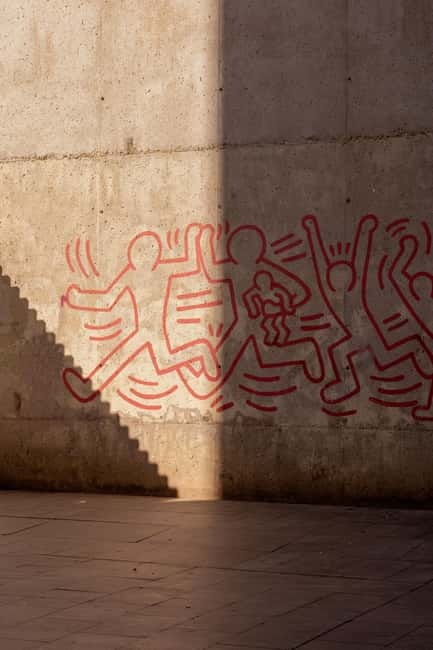
Near MACBA, the route reaches the Keith Haring AIDS mural, also called MURAL DEL SIDA. This is one of the most meaningful stops on the tour. Haring’s simple figures and strong lines carry a clear message about AIDS awareness, public health, and compassion.
The mural gives the ride more weight than a hunt for colorful walls alone. Your guide explains the work and its message, helping you read the image rather than simply photograph it. The tour also includes Colp One Dog in this part of the city, adding a more local graffiti voice to the better-known Haring work.
Raval streets and the early graffiti scene
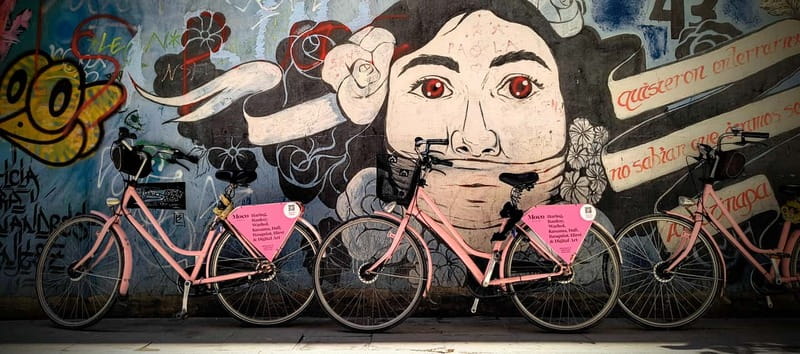
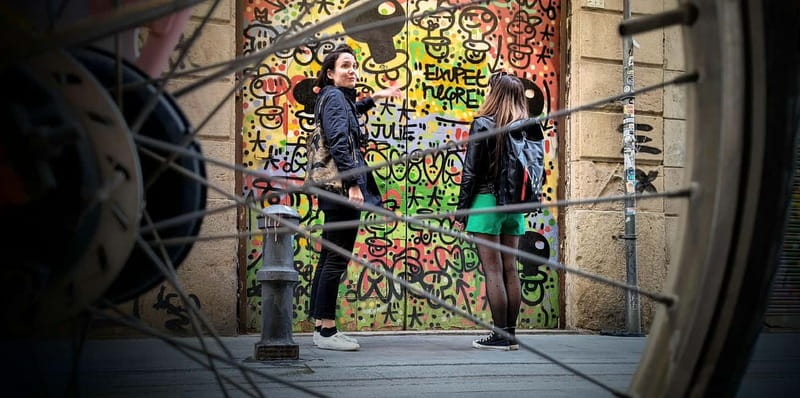
From the MACBA area, you ride through streets including Carrer de Joaquín Costa and Carrer de Ferlandina. This is where the tour feels most like a street-level exploration rather than a list of famous monuments.
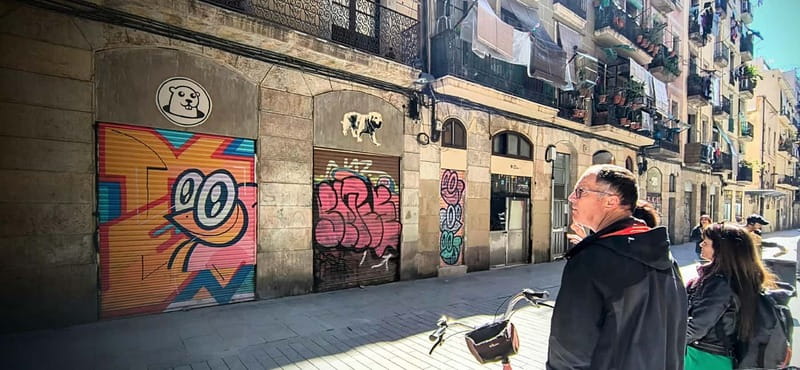
You may see Birdie Al Awan and El Xupet Negre, whose work is linked with some of Barcelona’s earliest graffiti. El Xupet Negre, also known as Negrelab, is especially useful for understanding how the city’s graffiti culture developed before street art became a major part of tourism and design.
The listed stops include Carrer de la Lluna, Carrer de la Riereta, and Carrer de Sant Pau. Some are brief pass-by points, while others allow time for photographs and guide commentary. That mix keeps the tour moving, but it also means you should not expect to stop at every wall for a long discussion.
The Raval can feel visually crowded, with narrow streets, signs, balconies, and layers of paint. That is part of the appeal. You are not viewing art in a clean gallery with perfect lighting. You are seeing it where people live, shop, walk, and move through the city.
A few more Barcelona options worth an hour of your trip
- Barcelona Street Art and Graffitti Bicycle Tour
★ 5.0 · 361 reviews - Barcelona Street Art Tour with Exclusive Artist Studios Visit
★ 5.0 · 152 reviews - Raval Street Art and Graffiti Guided Tour in Barcelona
★ 5.0 · 81 reviews - Barcelona: Raval Street Art and Graffiti Walking Tour
★ 4.9 · 60 reviews
Rambla del Raval and the message of public art
The Rambla del Raval brings a wider public square into the route. Here you may see the Feminist wall, Space Invader, and work by Ana Eliza.
These pieces offer a useful contrast. Some street art is playful or cryptic, while other work addresses identity, equality, and social pressure directly. The guide’s role matters here. A good explanation can show how the images connect to the place around them without turning the stop into a lecture.
The route’s changing nature is important. Outdoor art is temporary by nature. Paint fades, walls are cleared, new artists arrive, and city rules change. The provider says the route is updated as Barcelona’s street-art scene changes, so you should treat the listed works as a guide to the area rather than a guarantee that every piece will look exactly as described.
That uncertainty is a small drawback if you have your heart set on one particular mural. It is also what keeps the ride fresh for repeat visitors.
Carrer de l’Aurora and Ágora Benítez
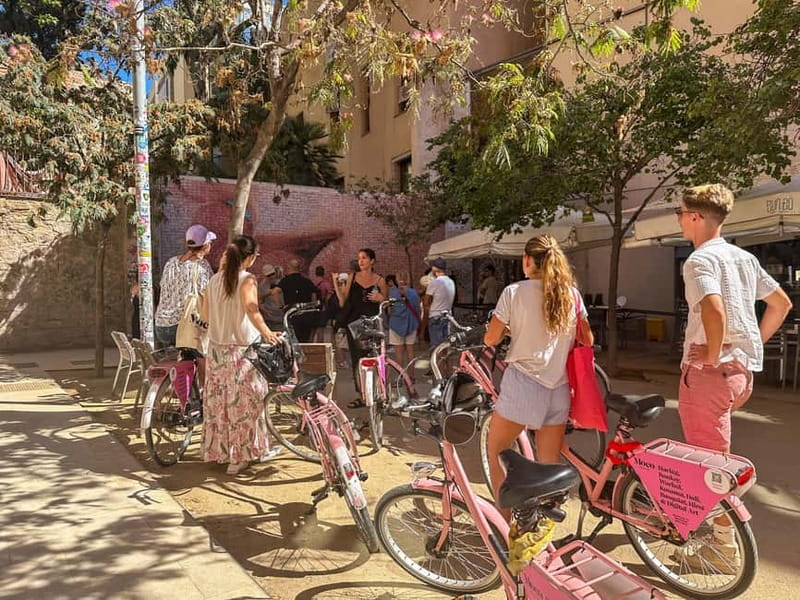
The ride continues along Carrer de l’Aurora, where you see work connected with Ágora Benítez. The itinerary also includes the Àgora Juan Andrés Benítez stop, giving the guide a chance to discuss the artist and the local setting.
This part of the route shows why a bike is useful. The pieces are spread across several streets, and walking between all of them would take longer. On a bike, you get a sense of how the neighborhoods fit together while still stopping for the main works.
The ride is not only about wall paintings. You also see the surrounding architecture, street corners, public spaces, and everyday details. The tour presents Barcelona as a city where older buildings and newer expressions occupy the same few blocks.
Tres Xemeneies and the old industrial edge
At the Jardins de les Tres Xemeneies, the subject shifts toward industrial Barcelona. The garden is near the old three chimneys, a reminder of the city’s working past and changing urban spaces.
This is one of the more distinctive settings on the route. Rather than viewing a mural against a standard historic facade, you see art beside large industrial remains and open public space. It is a good place to think about how unused or changed sites can become places for recreation and creative work.
The stop includes photographs and guide commentary, with views along the way as you ride Av/Paral·lel. The area also connects with the Galería Arnau and the Theatre Arnau, bringing architecture and modern art into the same stretch of the journey.
Keep your expectations realistic. The tour passes many landmarks, but it is not designed as a full architectural tour of each one. You get short explanations and photo opportunities, not extended interior visits.
Paral·lel to the waterfront
From Paral·lel, the route heads toward the Columbus Monument and the waterfront. This part gives you a welcome change of scale after the narrow Raval streets.
You pass the Columbus Monument and continue toward the waterfront area, where you see El Cap de Barcelona, also known as BCNs Head, associated with Leinceshtain. The tour also includes La Gamba, Javier Mariscal’s large shrimp sculpture.
La Gamba is a fun example of Barcelona’s habit of turning unusual public art into a city landmark. It is very different from Haring’s direct social message or El Xupet Negre’s graffiti style. That variety is one of the tour’s strengths. You are not seeing one school of art, but a collection of public works with very different aims.
The ride also passes the Theatre Arnau and the Galería Arnau area. These stops give you a glimpse of the city’s changing cultural spaces, although the exact amount of time spent at each point is limited by the 2.5-hour schedule.
El Beso, the cathedral, and the final sights
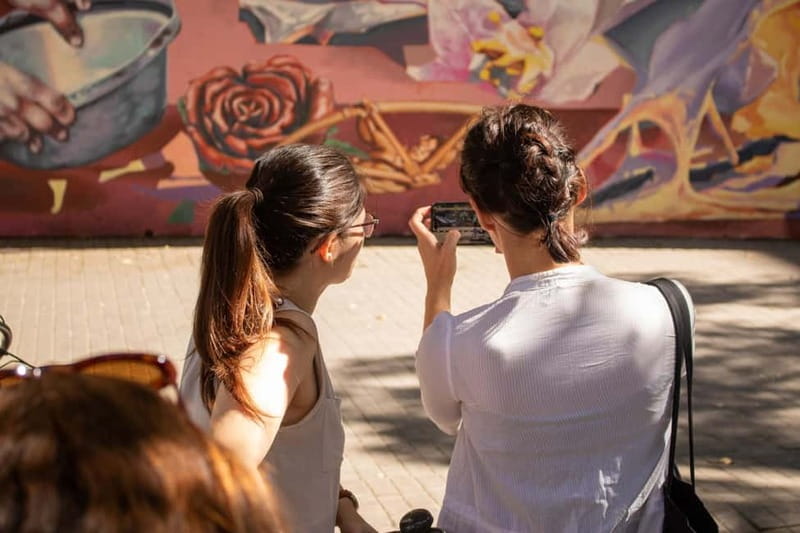
Near Barcelona Cathedral, the tour reaches El mural del petó, or El Beso photomosaic. Made from many small photographs, the piece forms a large image when viewed from a distance.
This is a fitting later stop because it connects private moments with a public work. The piece also sits close to major historic sights, so you get the pleasure of seeing old Barcelona and modern public art within the same short stretch.
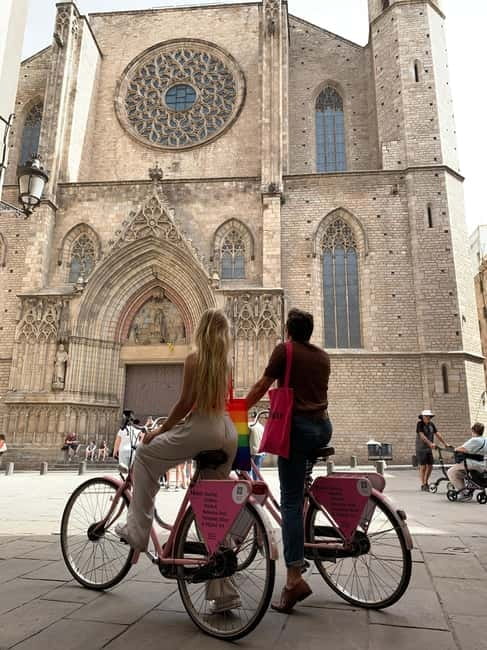
The route passes Barcelona Cathedral and includes the Picasso Mural. These stops bring the ride back toward the city’s historic core. The point is not to replace a cathedral visit or a dedicated Picasso tour, but to show how art from different periods shares the same streets.
The return route includes the Palace of Catalan Music, Passeig de Gracia, and Casa Batlló. Casa Batlló provides a final look at Barcelona’s famous modernist architecture, while Passeig de Gracia gives you a broad, attractive urban avenue for the ride back.
You finish at Carrer dels Tallers 45, the same place where you started. That makes the tour easy to combine with lunch or an afternoon visit elsewhere in central Barcelona.
The guide makes the difference
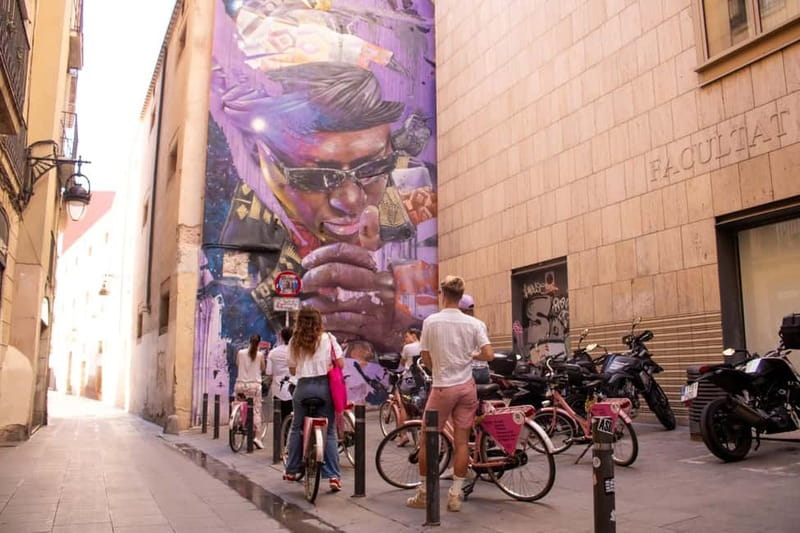
The guide does more than lead the bikes from one wall to the next. You hear stories about the artists, the making of the work, and the ideas behind the images.
One guide specifically named in the feedback is Eirini, who is praised for leading an enjoyable street-art ride. Another guide was valued for practical food recommendations after the tour. Those details matter because a good guide can turn a sequence of photographs into a better understanding of Barcelona’s creative life.
The tour is in English. Since the route includes many short stops, listen for the explanation before taking pictures. You will get more from the ride if you first understand the work, then use the remaining time for photographs.
The route is also described as adaptable. That is useful in street art, where conditions change quickly. Still, it means you should not book the tour expecting a fixed museum-style checklist.
Weather, comfort, and riding ability
The tour runs rain or shine. If rain arrives, a free poncho is provided, but you should still wear weather-appropriate clothing and protect your phone. Sunscreen, sunglasses, and a hat are just as important on a bright day.
You need to be able to ride a bike. The tour is not suitable for people who cannot ride and is not suitable for wheelchair users. Adult helmets are available by advance request for an added charge, while children up to age 16 must wear helmets supplied by the operator.
Because you ride through central Barcelona, you should be comfortable paying attention to the road, other cyclists, pedestrians, and guide instructions. Headphones are not allowed, and that is a safety benefit as well as a tour rule.
Who will enjoy this bike tour most
I would choose this tour if you want a fast, visual introduction to Barcelona beyond the standard Gaudí circuit. It suits first-time visitors who want to cover several central neighborhoods, families with children who can ride, and art fans who prefer public walls to quiet galleries.
It is also useful early in a Barcelona stay. After the ride, you will recognize several districts and may want to return on foot for a closer look. The guide’s restaurant suggestions can also help with the next meal.
I would be more cautious if you want long, detailed time at each artwork. The 2.5-hour format covers a lot of ground, so several stops are short pass-bys. You should also reconsider if cycling in city traffic makes you uneasy or if you need step-free access.
Should you book the Moco Street Art Bike Tour?
Book it if you want to see Barcelona’s street art in context, cover a large central route without exhausting yourself, and learn about works such as the Keith Haring AIDS mural, El Xupet Negre, La Gamba, and El Beso. The $34 cost is fair for an electric bike, guide, water, bag, and a planned route.
Skip it if your main goal is to spend hours inside museums or study a small number of murals in detail. For most visitors who enjoy art, local stories, and a bit of city movement, this is a lively way to see Barcelona’s creative side, with enough variety to keep the ride interesting from MACBA to Casa Batlló.
FAQ
How long is the Barcelona StreetArt Bike Tour?
The tour lasts 2.5 hours. Starting times vary, so you need to check availability when booking.
Where does the tour start?
It starts at Carrer dels Tallers 45 in Barcelona. Meet by the palm tree and enter the passage where the Barcelona Ciclo Tour team will be waiting.
Where does the tour end?
The tour ends back at Carrer dels Tallers 45, the same location as the start.
What language is the tour conducted in?
The live tour guide speaks English.
Is an electric bike included?
Yes. One bike per person is included in the tour price.
Is water provided?
Yes. Each participant receives a free bottle of water, and a handlebar bag is provided for belongings.
Are helmets included?
Helmets are provided free for children up to age 16, and helmets are mandatory for them. Adults can request a helmet in advance for an additional cost.
What happens if it rains?
The tour operates rain or shine. A poncho raincoat is provided free if needed.
Can I cancel the booking?
You can cancel up to 24 hours in advance for a full refund. The reserve-now, pay-later option allows you to hold a place without paying immediately.
More Museums Worth an Hour
- Barcelona: FC Barcelona Museum “Barça Immersive Tour” Ticket
★ 4.4 · 10,944 reviews - Barcelona: Park Güell and Gaudí House Museum Entry Ticket
★ 4.5 · 6,326 reviews - Barcelona: Picasso Museum Skip-the-Line Guided Tour
★ 4.5 · 3,355 reviews - Girona & Dali Museum Small Group Tour with Pick-up from Barcelona
★ 5.0 · 2,965 reviews
Just added around Barcelona
- GoCar Full Day Tour★ 4.0 · 6 reviews
- Sagrada Familia and Barcelona Highlights: Private Guided 4-Hour Driving Tour★ 5.0 · 6 reviews
- Barcelona: Highlights & Gems Private Tour with Tapa & Drink★ 3.9 · 6 reviews
- Gothic Quarter and Born District: Photographic Workshop★ 5.0 · 6 reviews
- Gobbi Yacht Rental in Barcelona 9 Pax 2/4/8hs★ 5.0 · 6 reviews
- Private Sailboat Ride at Sunset from Sitges★ 5.0 · 6 reviews
- Barcelona: Gothic Quarter & La Sagrada Familia Private Tour★ 4.9 · 6 reviews
- Barcelona: Private Tour of Casa Batllo with Reserved Access★ 3.5 · 6 reviews
Cycling Tours, compared.
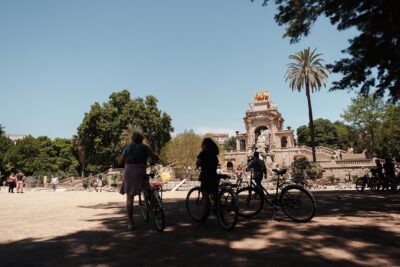
Barcelona 3-hour Bike or E-Bike Tour: Highlights and Hidden Gems
Read our review →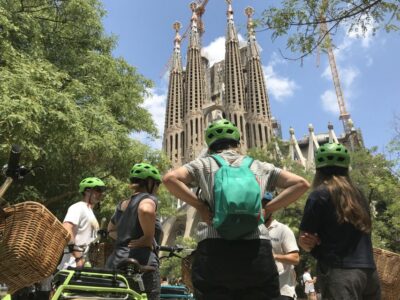
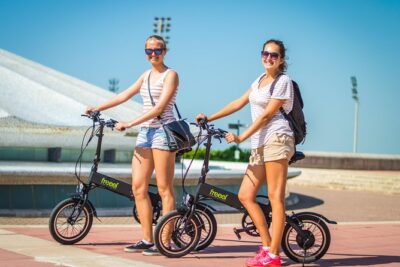
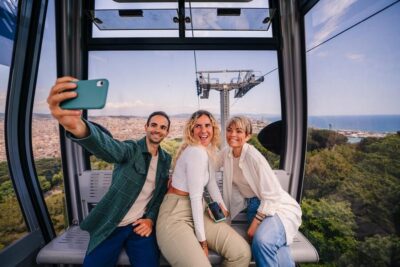
E-Bike Tour with Montjuic Cable Car & Boat Ride
Read our review →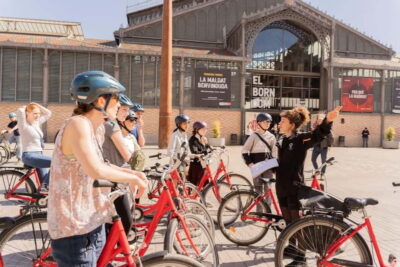
Sagrada Familia or Coastal City Sights by eBike
Read our review →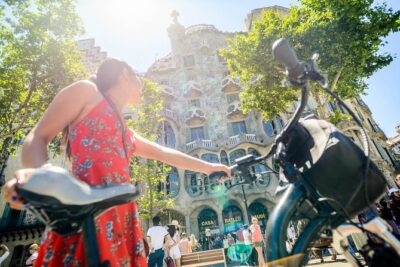
Barcelona e-Bike Tour: Gaudí & Old Town Small Group
Read our review →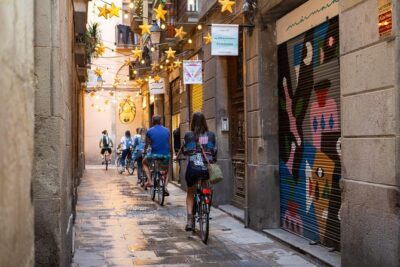
Barcelona E-Bike Small Group Tour with Tapas & Wine Tasting
Read our review →Browse the lists this tour appears in