
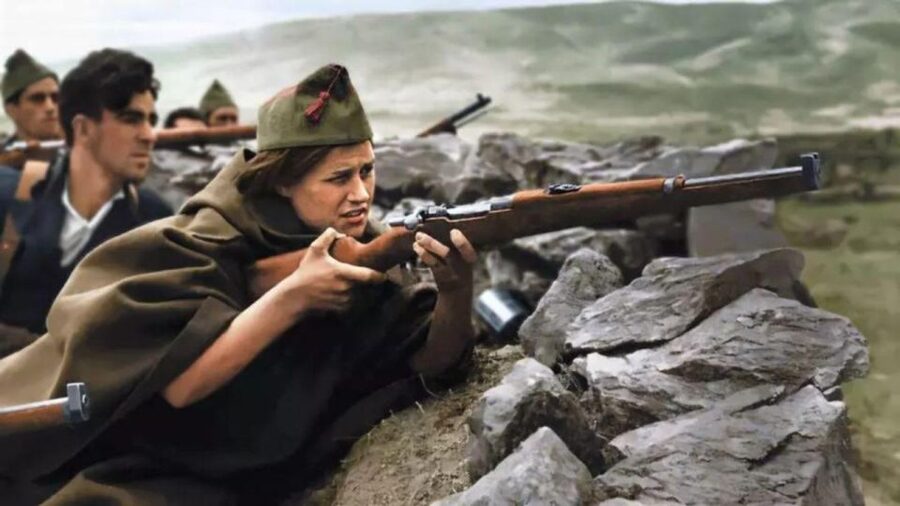
Reviewed · HISTORICAL TOURS
Barcelona: The Spanish Civil War Historical Walking Tour
Barcelona’s Spanish Civil War walking tour takes you behind the city’s polished façade and into the streets where political conflict became street fighting, fascist bombing, and ordinary daily fear. You’ll sort out the roles of Fascists, Loyalists, anarchists, labor unions, and the International Brigades, then consider how Franco’s 36-year dictatorship still shapes Spain.
I like the way the tour uses Barcelona itself as the classroom, rather than asking you to absorb a lecture in a museum. I also like the guide-led storytelling and old photographs, which help you connect present-day streets with the events described by George Orwell in Homage to Catalonia. The main drawback is that this is a serious, sometimes advanced subject, and you spend much of the 2.5 hours standing outdoors.
In This Review
- Key points to know before booking
- Starting at Plaça de Catalunya with a difficult story
- Walking through the old town’s wartime scars
- Seeing Orwell’s Barcelona without turning it into a literary tour
- Making sense of fascists, anarchists, and loyalists
- The role of women and everyday people
- From the war to Franco’s dictatorship
- Standing, weather, and the optional audio system
- Is $46 a fair price?
- Who should book this Barcelona history walk?
- Should you book it?
- FAQ
- Where does the Spanish Civil War walking tour begin?
- Where does the tour finish?
- How long is the tour?
- What language is the tour conducted in?
- Is the tour wheelchair accessible?
- Does the tour run in bad weather?
- Are children allowed to join?
- Is there an extra fee for the wireless guiding system?
Key points to know before booking
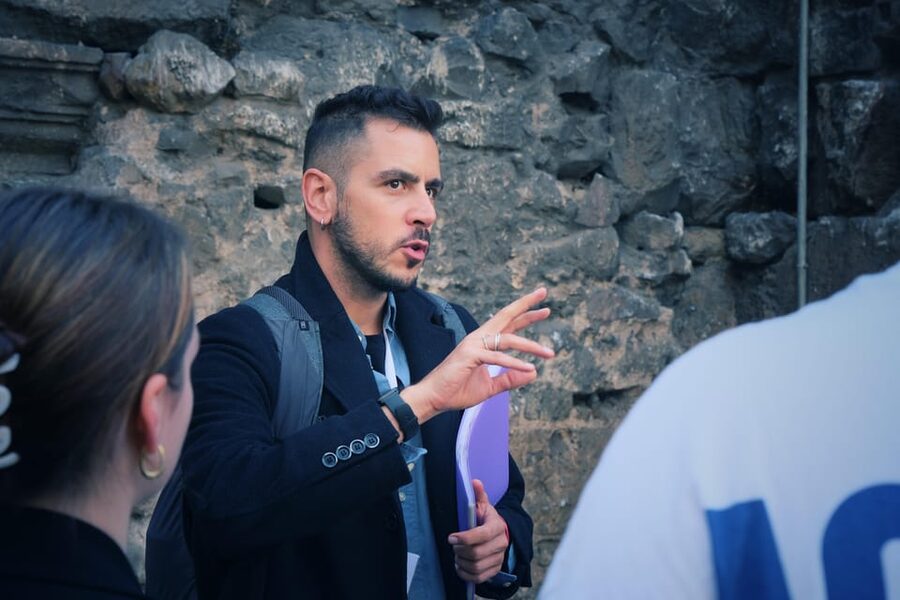
- The meeting point is easy to find: Look for the white umbrella outside Foot Locker on Plaça de Catalunya.
- The route stays in Barcelona’s old town: The walk finishes near Barcelona city hall in the Gothic Quarter.
- The subject goes beyond the war itself: Expect discussion of the years before the conflict, Franco’s dictatorship, and Spain’s struggle with historical memory today.
- Guides explain a tangled political story: Javier, Chrisa, Yannis, Henrieta, Filipa, Evan, and other guides are praised for making the competing factions easier to follow.
- You walk in short stretches: Much of the tour involves stopping while the guide explains a site, so comfortable shoes matter less than good standing endurance.
- Bring weather protection: The tour runs rain or shine, and an optional wireless listening system costs an extra €1 per person.
Starting at Plaça de Catalunya with a difficult story
The tour begins on the sidewalk in front of Foot Locker at Plaça de Catalunya. This is a practical meeting spot in the center of Barcelona, but it can be busy, so give yourself enough time to locate the guide’s white umbrella.
From here, your guide sets up the story before asking you to follow the physical route. That matters. The Spanish Civil War is not a simple contest between two neat sides. The tour works through the rival political ideas and groups that fought over Spain’s future, including fascists, loyalists, anarchists, labor movements, and other competing factions.
You’ll also look at the conditions that led to the outbreak of war. The background includes Barcelona’s industrial growth in the 1800s, political divisions, social conflict, and the competing hopes held by different parts of Spanish society. I appreciate this early context because it keeps the tour from becoming a list of battles and dates.
The guide’s task is not small. Several groups could share an enemy while disagreeing sharply about what should come next. For someone who knows little about the conflict, the first part may feel dense. That is normal, and the guides generally pause to check that the group is following the story.
If you have read about the war before, you may value the wider questions more than the basic timeline. The discussion reaches beyond Barcelona to Hitler and Mussolini, the International Brigades, the response of the Western Allies, and the role of the Catholic Church.
A few more Barcelona options worth an hour of your trip
- Barcelona: Tapas Walking Tour with Food, Wine, and History
★ 4.8 · 4,261 reviews - Barcelona Tapas Walking Tour: Food, Wine & History
★ 4.5 · 1,928 reviews - Barcelona: 2.5-Hour Bike or E-Bike Historical Tour
★ 4.5 · 1,262 reviews
Walking through the old town’s wartime scars
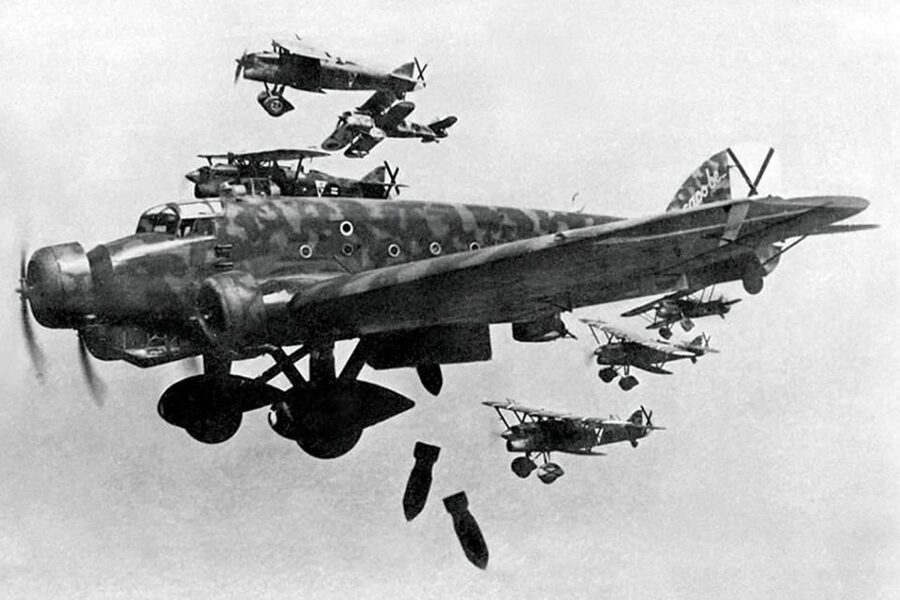
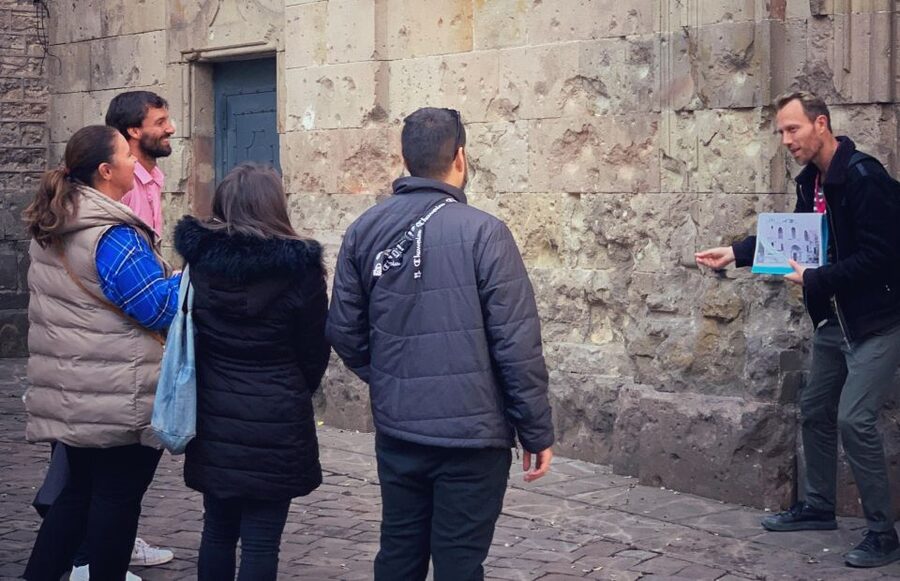
The route moves through the old town, where much of Barcelona’s fighting and fascist bombing took place. The appeal is not a parade of grand monuments. Instead, you look at ordinary streets and historic buildings with a better sense of what happened there.
Barcelona is famous for its Gothic churches, narrow lanes, handsome squares, and carefully restored façades. On this tour, those places gain another layer. The guide explains the political and religious divisions tied to the city, then uses photographs to show how the streets looked during the conflict.
This is where the walk feels most useful. You are not simply hearing that Barcelona suffered. You are standing in the same old city while the guide explains how violence affected its people and neighborhoods. The streets remain active parts of modern Barcelona, which can make the past feel close rather than sealed away.
The pace is more stroll than march. You move from one point to another, then stop while the guide talks. One useful practical detail: you are not walking continuously for two and a half hours, but you are standing for much of that time. Wear shoes that are comfortable on old-town pavement, and consider a small bottle of water.
The route is listed as wheelchair accessible, but old-town streets can still be busy and uneven in places. If mobility is a concern, it is sensible to ask the operator for current route details before booking.
Seeing Orwell’s Barcelona without turning it into a literary tour
George Orwell’s Homage to Catalonia gives many readers their first personal view of the Spanish Civil War. This tour includes places connected with the locations he describes, but it is not only an Orwell tour.
That balance is a strength. Orwell helps provide a human entry point, yet the guide keeps the focus on Barcelona’s wider experience. You learn about the political factions, the fighting, the impact on civilians, and the arguments over what kind of society Spain should become.
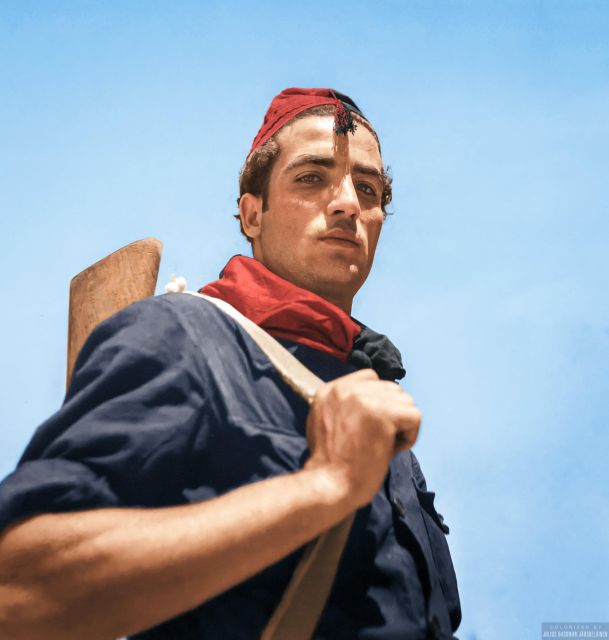
The photographs are especially helpful here. A guide may show a wartime image, then point out the current setting around you. That simple contrast lets you notice what has changed and what has been left unmarked.
Do not expect a large official exhibition along the route. The activity points out that Barcelona has very few official museums or memorials devoted to this period. The walking tour fills part of that gap by bringing the history into public streets.
That also means the experience depends heavily on the guide. Javier has been praised for making the material accessible while adding dry humor at suitable moments. Chrisa is noted for explaining the factions clearly and for discussing women’s political roles and the Mujeres Libres movement. Yannis brings detailed material on the revolution, the years before the war, and its later effects. Henrieta uses visual material well and takes time with questions. Filipa and Evan are also praised for clear, engaging presentations.
Guide assignments can change, so you should not book on the assumption that one particular person will lead your departure. Still, the repeated strength of the guiding team is an important part of the tour’s value.
Making sense of fascists, anarchists, and loyalists
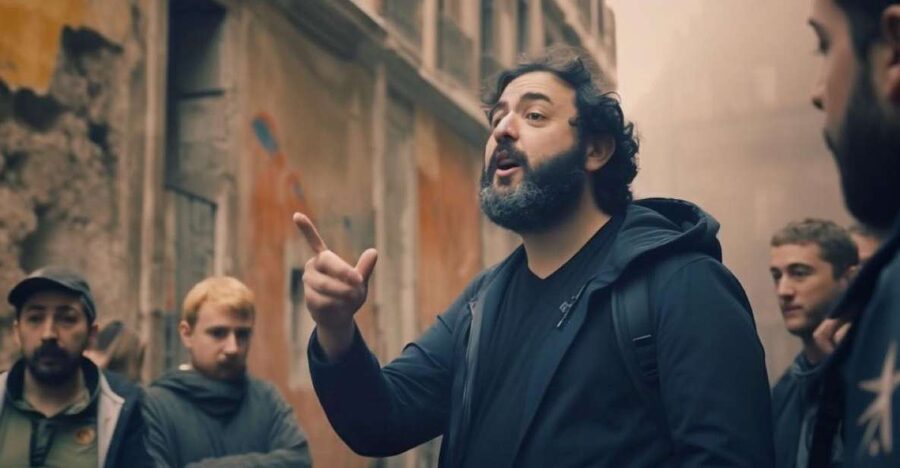
The hardest part of this history is often the political vocabulary. Words such as fascist, anarchist, loyalist, socialist, and revolutionary can become confusing when several groups are active at once.
Your guide explains who the factions were, what they wanted, and why their alliances were not always stable. The goal is not to force every person into a perfect category. It is to show how political beliefs, class interests, regional identity, religion, and military power collided.
That approach makes the tour useful even if you arrive with little background. One guest described the subject as advanced at times, and that is fair. You will get more from the walk if you read a short introduction beforehand, but you do not need to be an expert.
I would especially recommend this tour if you want more than the familiar Barcelona story of Gaudí, tapas, and beach life. The Civil War and dictatorship are part of the city’s modern identity, even when they are not obvious in the streets.
The discussion also includes the period after the war. Franco’s dictatorship lasted 36 years and ended less than 50 years ago. The guide explains how the dictatorship shaped Spain and how the country deals with this period now.
That present-day link gives the tour extra weight. You are not studying a remote medieval conflict. You are looking at a period close enough to affect families, politics, public memory, and debates about democracy today.
More walking tours in Barcelona:
- Barcelona Tapas and Wine Experience Small-Group Walking Tour
★ 5.0 · 5,804 reviews - Barcelona: Tapas Food Crawl Walking Tour with Tastings
★ 4.9 · 1,798 reviews - Barcelona: Gothic Quarter Ghosts and Legends Walking Tour
★ 4.7 · 1,443 reviews - Barcelona Helicopter, Sailboat & Old Town Private Walking Tour
★ 5.0 · 1,395 reviews
The role of women and everyday people
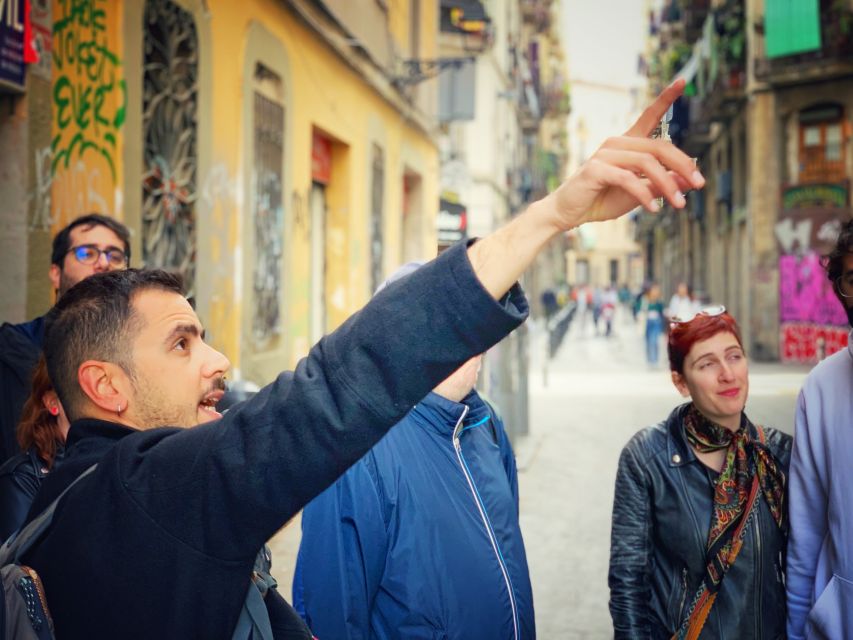
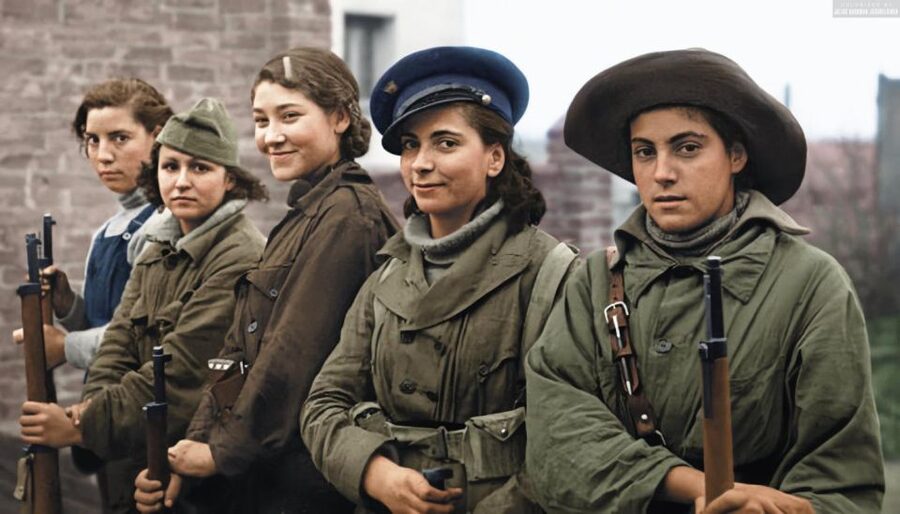
A welcome feature of the tour is its attention to people beyond the best-known male leaders. The story includes the experiences of everyday people and the way political change affected life in Barcelona.
The discussion of women in the Second Republic and Civil War, including Mujeres Libres, adds an angle often missing from standard war tours. It helps you see the conflict as more than a contest between military forces or political figures.
This wider human focus is one reason the tour can work for both history enthusiasts and first-time learners. You hear about ideology and international involvement, but also about the people who lived through the consequences.
The tone is serious but not stiff. Guides use clear storytelling, images, questions, and occasional humor. Several guides are praised for answering both basic and difficult questions without making anyone feel out of place.
Still, this is not a light sightseeing walk. Politics, war, repression, and dictatorship are central to the experience. Children are allowed to join, but the subject is not advised for young children. Teenagers with an interest in history may get a lot from it, especially if they can handle mature themes.
From the war to Franco’s dictatorship
The tour does not stop when the fighting ends. It follows the story into the dictatorship and asks how Franco’s rule affected Spain afterward.
This is important because the war can be misunderstood if treated as a closed chapter. The walk explains the dictatorship’s legacy and connects it with current-day Barcelona and Spanish politics. The guide also discusses the Catholic Church and the reaction of the Western Allies, giving you a wider frame for understanding the period.
I value this part because it answers the question many short history tours avoid: what happened next? You leave with a clearer idea of why Spain’s relationship with its past can still be difficult.
The tour also addresses historical memory. With so few official memorials and museums focused on the Civil War, public streets carry much of the burden of remembrance. The guide helps you notice that absence as well as the surviving traces.
This does not turn the tour into a political rally. The best guides present the factions and their motives in a measured way, while still explaining the human cost of repression and war. Evan, for example, has been praised for presenting the many sides without taking an unfairly narrow approach. That balance is useful when the subject remains politically sensitive.
Standing, weather, and the optional audio system
The activity lasts about 2.5 hours and takes place outdoors. It runs rain or shine, so check the forecast and bring a rain jacket or sun protection as needed.
Cold weather deserves special attention. A January departure can mean waiting outside before the walk begins and standing in exposed places during the tour. Dress more warmly than you think you need, especially if you are visiting Barcelona in winter.
The tour typically uses a wireless guiding system, depending on the guide. There is an additional €1 charge per person, payable by cash or card at the beginning. This can make the commentary easier to hear in the old town, where street noise and passing crowds may compete with the guide’s voice.
You do not need food or drinks as part of the booking. There is no hotel pickup or drop-off, so plan your own way to Plaça de Catalunya and from the Gothic Quarter afterward.
The tour ends near Barcelona city hall, in the middle of the Gothic Quarter. That is a useful finish because you can continue sightseeing, find lunch, or explore the surrounding old-town streets without crossing the city.
Is $46 a fair price?
At $46 per person, this is not the cheapest walking tour in Barcelona. The value depends on what you want from your time in the city.
For a simple orientation walk, the price would be hard to justify. You are paying for a focused history lesson, an English-speaking professional guide, visual material, and a route built around a subject that is not easy to find in Barcelona’s usual museums.
I think the price is fair if you care about history, modern Spain, political memory, or the human side of the city. It is also good value for visitors who have already seen the main attractions and want a different way to understand the old town.
Private groups are available, which may suit families, university groups, or people who want more time for questions. A private format could be especially useful for readers who have already studied the war and want to explore particular themes, though the supplied details do not specify the private-group price or exact format.
Free cancellation is available up to 24 hours before the tour, and you can reserve now and pay later. That gives you some flexibility while planning a Barcelona stay.
Who should book this Barcelona history walk?
I would choose this tour for:
- History readers who want to connect books with real streets.
- Visitors interested in the Spanish Civil War, Franco, fascism, anarchism, or international politics.
- People who want context for modern Spanish and Catalan political life.
- Repeat visitors who have already covered Barcelona’s major sights.
- Curious travelers who prefer a serious, guide-led experience to another standard sightseeing loop.
- Older teenagers and adults who can engage with war, repression, and dictatorship.
I would think twice if you want a relaxed, photo-focused walk with little standing or political discussion. The tour is also a poor match for small children, even though children are permitted to attend.
Should you book it?
Book this tour if you want to understand the Barcelona beneath the polished historic center. Its greatest strength is the guide’s ability to organize a tangled subject and tie it to actual streets, photographs, Orwell’s writing, and Spain’s unresolved relationship with the past.
Prepare for a serious 2.5 hours, not a casual sightseeing stroll. Read a short primer if you like, wear weatherproof clothing, and arrive ready to ask questions. If the Spanish Civil War has always seemed confusing or distant, this is a practical way to give it shape and place.
FAQ
Where does the Spanish Civil War walking tour begin?
The tour meets on the sidewalk in front of the Foot Locker at Plaça de Catalunya. Your guide will be holding a white umbrella.
Where does the tour finish?
The walk finishes after about 2.5 hours in the Gothic Quarter, near Barcelona city hall.
How long is the tour?
The tour lasts approximately 2.5 hours.
What language is the tour conducted in?
The live tour guide speaks English. An optional English audio guide may also be used.
Is the tour wheelchair accessible?
Yes, the activity is listed as wheelchair accessible.
Does the tour run in bad weather?
Yes. The tour takes place rain or shine, so bring suitable clothing and footwear.
Are children allowed to join?
Children are allowed, but the tour is not advised for children because it deals with politics, war, and dictatorship.
Is there an extra fee for the wireless guiding system?
The tour typically uses wireless guiding equipment, depending on the guide. When used, it costs an additional €1 per person, payable by cash or card at the start.
Just added around Barcelona
- GoCar Full Day Tour★ 4.0 · 6 reviews
- Sagrada Familia and Barcelona Highlights: Private Guided 4-Hour Driving Tour★ 5.0 · 6 reviews
- Barcelona: Highlights & Gems Private Tour with Tapa & Drink★ 3.9 · 6 reviews
- Gothic Quarter and Born District: Photographic Workshop★ 5.0 · 6 reviews
- Gobbi Yacht Rental in Barcelona 9 Pax 2/4/8hs★ 5.0 · 6 reviews
- Barcelona: Gothic Quarter & La Sagrada Familia Private Tour★ 4.9 · 6 reviews
- Private Sailboat Ride at Sunset from Sitges★ 5.0 · 6 reviews
- The Essence of Priorat | Private Wine Tour from Barcelona★ 5.0 · 6 reviews
Historical Tours, compared.
Tapas Walking Tour with Food, Wine, and History
Read our review →
Barcelona Tapas Walking Tour: Food, Wine & History
Read our review →
Barcelona Erotic Museum – Explore Art, History & Fun
Read our review →
Andorra Original History and Sightseeing Tour (Private, Pickup)
Read our review →
Tarragona and Sitges Small Group Tour – Roman History & Culture
Read our review →
Girona History and Legends Tour Small Group from Girona
Read our review →Browse the lists this tour appears in