
Reviewed · HISTORICAL TOURS
Barcelona’s Dark History Walking Tour in El Raval
El Raval’s darker side comes into focus on this two-hour walk, where old churches, abandoned children, alleged vampires, political art, and long-gone cabarets all share the same few streets. The tour mixes documented places with local legends, so you get both Barcelona’s past and the stories people have built around it.
I like the strong sense of place here. You are not just hearing spooky tales in a dark room. You walk through the streets, see the former Hospital de la Santa Creu, visit Sant Pau del Camp, and pass the bar where artists and writers once drank. I also like the Keith Haring mural and south-side street art, which give the tour a modern political edge.
The main consideration is tone. This is a history walk about crime, abandonment, old vice districts, and grim legends, not a gentle introduction to Barcelona. Some stops are viewed from the street or grounds rather than entered fully, and the route covers about two miles, so comfortable shoes matter.
In This Review
- Key points at a glance
- Why El Raval makes such a good setting
- Starting at Sant Pere Nolasc near Plaça de Castella
- Casa de la Misericordia and stories of abandoned children
- Medieval lanes and the Keith Haring AIDS mural
- The Vampiress of the Raval and the line between fact and legend
- The former Hospital de la Santa Creu
- Bar Marsella and Barcelona’s old creative crowd
- Sant Pau del Camp and a troubled church history
- The south side, old nightlife, and the Three Chimneys
- What the $33 price gets you
- Who will enjoy this walk most
- Should you book Barcelona’s Dark History Walking Tour?
- FAQ
- Where does the tour begin?
- How long is the walking tour?
- What language is the tour offered in?
- Is the tour wheelchair accessible?
- What places are included on the route?
- Will the tour enter every building?
- What happens if it rains?
- Can you cancel the booking?
Key points at a glance
- Hear the Vampiress of the Raval story: Learn about Barcelona’s most infamous alleged serial killer and the home linked to her.
- See the former Casa de la Misericordia: Hear disturbing stories tied to the institution where children were abandoned.
- Find Keith Haring’s political mural: Visit the AIDS mural near MACBA, one of the city’s most important pieces of public art.
- Walk through an ancient hospital complex: Explore the grounds and garden of the former Hospital de la Santa Creu.
- Stop at Bar Marsella: See the more bohemian side of El Raval at a bar open for more than 200 years.
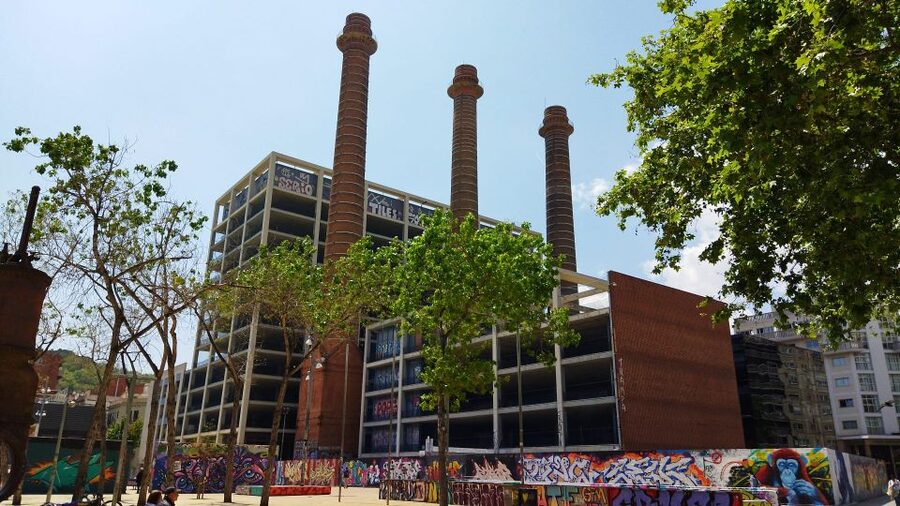
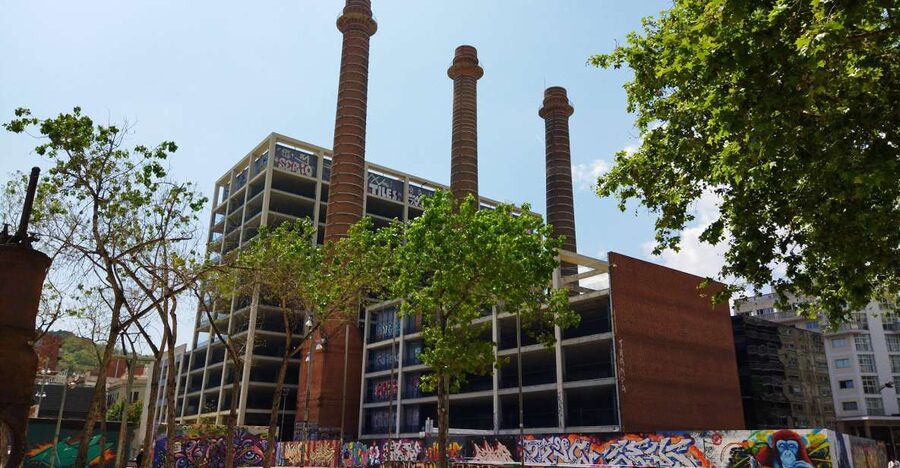
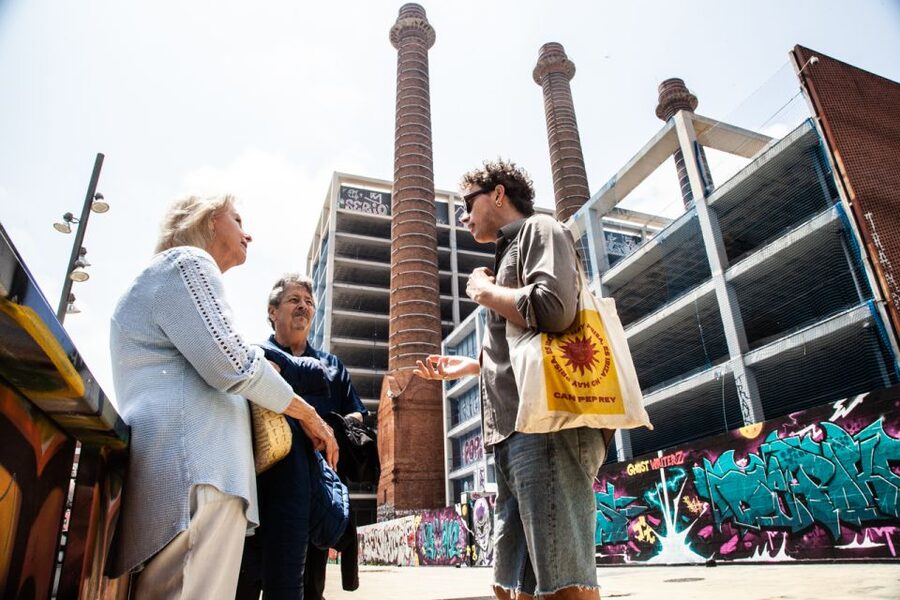
- Finish among changing street art: The route ends around the Three Chimneys, a former power-factory area with colorful graffiti.
Why El Raval makes such a good setting
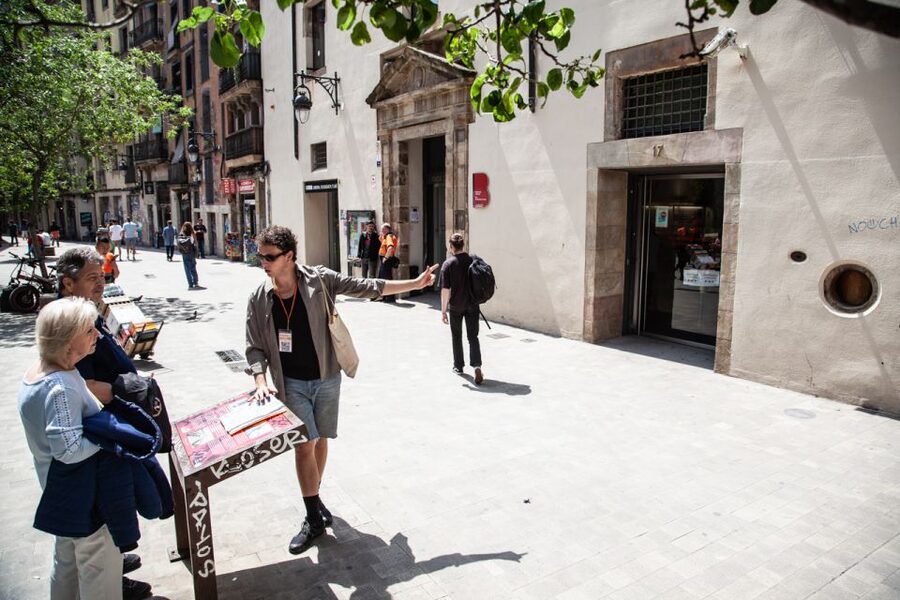
El Raval has an urban edge that feels different from Barcelona’s grand boulevards and polished Modernista buildings. Its narrow medieval streets, eclectic shops, old religious buildings, public art, and busy squares sit close together, giving this tour plenty to work with.
The neighborhood’s past is not one neat story. It includes charity institutions, hospitals, churches, artists, political movements, nightlife, crime, and poverty. That mix makes the walk more interesting than a standard ghost tour, since the eerie stories are tied to real buildings and social history.
I would choose this experience if you have already seen some of central Barcelona and want a closer look at a district with more grit and contradiction. It also works well for repeat visitors who want a tour that moves away from the usual Gaudí circuit.
The English-speaking guide is an important part of the experience. Guides Andreas and Owen, also known as Eoghan, are specifically associated with the tour, and their storytelling styles are described as lively, vivid, informative, and fun. The best version of this walk depends heavily on how well the guide handles the line between historical fact and legend.
A few more Barcelona options worth an hour of your trip
- Barcelona: Tapas Walking Tour with Food, Wine, and History
★ 4.8 · 4,261 reviews - Barcelona Tapas Walking Tour: Food, Wine & History
★ 4.5 · 1,928 reviews - Barcelona: 2.5-Hour Bike or E-Bike Historical Tour
★ 4.5 · 1,262 reviews
Starting at Sant Pere Nolasc near Plaça de Castella
You meet outside the Church of Sant Pere Nolasc Mercedaris at Plaça de Castella. The square gives you an easy place to find the guide before the group heads into El Raval’s smaller streets.
The church is a useful starting point because the tour begins with a sense of contrast. You are close to a lively central Barcelona area, yet within minutes you are looking at buildings tied to abandonment, charity, religion, and old neighborhood troubles.
The tour runs for two hours and covers about two miles at a relaxed pace. That is enough distance to connect several parts of El Raval without turning the outing into a strenuous march.
Casa de la Misericordia and stories of abandoned children
The first major stop is the Fundació Privada Casa de Misericòrdia de Barcelona, known as the Casa de la Misericordia. Its past as a house of mercy gives the tour an early shift from ordinary sightseeing to something more unsettling.
Here, your guide explains how children were abandoned at the institution and introduces stories that some of them still walk the halls. You should treat the ghostly material as legend, but the institution’s social role gives the story weight. It points to the difficult choices faced by families who could not care for their children and to the harsh systems that dealt with poverty.
This stop works best if you like history with a human side. It is not simply a haunted-building tale. The setting helps you think about who lived on the margins of old Barcelona and how little support many people had.
The information provided does not promise an extensive interior visit, so expect the guide to frame the site and its past rather than assume access to every room. That is worth knowing if you prefer tours built around entering historic buildings.
Medieval lanes and the Keith Haring AIDS mural
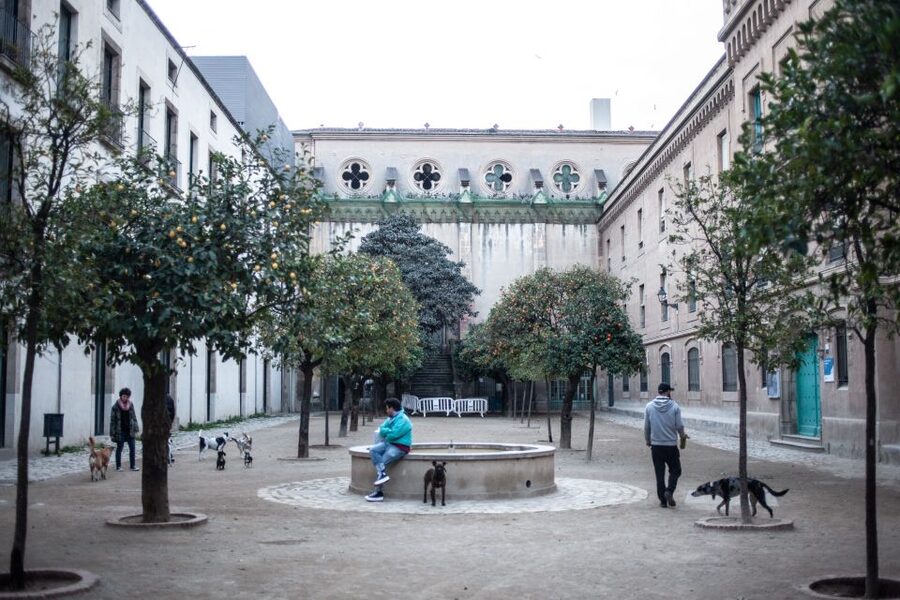
From the Casa de la Misericordia, the walk threads through El Raval’s narrow medieval streets. You pass eclectic shops and varied architecture, with the guide using the neighborhood itself as part of the story.
The route then reaches MACBA, the Barcelona Museum of Contemporary Art. The museum is also known for its open space, where skaters gather, but the tour’s main art stop is tucked behind the building.
There you see the MURAL DEL SIDA, Keith Haring’s AIDS mural. Its stick-like figures may look playful at first, but the work carries a direct political message about AIDS and public awareness.
I especially like this part of the route because it prevents the tour from becoming trapped in the distant past. Barcelona’s darker history is not only about old crimes and ghost stories. It also includes public health, activism, loss, and art used to speak plainly about difficult subjects.
The mural is a strong stop for anyone interested in street art or modern social history. You will also see how El Raval’s public spaces keep changing, with skaters, art, shops, and old buildings sharing the same streets.
More walking tours in Barcelona:
- Barcelona Tapas and Wine Experience Small-Group Walking Tour
★ 5.0 · 5,804 reviews - Barcelona: Tapas Food Crawl Walking Tour with Tastings
★ 4.9 · 1,798 reviews - Barcelona: Gothic Quarter Ghosts and Legends Walking Tour
★ 4.7 · 1,443 reviews - Barcelona Helicopter, Sailboat & Old Town Private Walking Tour
★ 5.0 · 1,395 reviews
The Vampiress of the Raval and the line between fact and legend
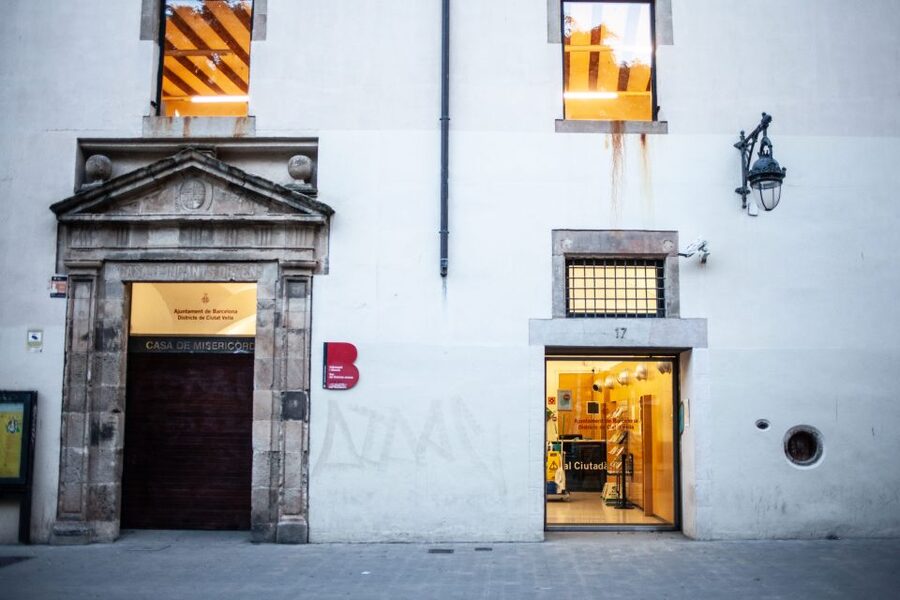
One of the tour’s main stories centers on the Vampiress of the Raval. The guide takes you near the place where she is said to have lived and explains the tale of Barcelona’s most infamous alleged serial killer.
This is the point where the walk most clearly becomes a dark-history tour rather than a general neighborhood stroll. The story asks you to consider how a real criminal case, local fear, and later legend can blend together.
The supplied details do not identify the exact crimes or confirm every part of the story, so your guide’s treatment matters. A good explanation should make clear what is known, what is alleged, and what belongs to folklore.
I would not book this tour expecting a formal criminal investigation. Think of it as a story-led look at how Barcelona remembers disturbing figures. The setting adds force because you are walking the same district connected with the tale, not hearing it in isolation.
The former Hospital de la Santa Creu
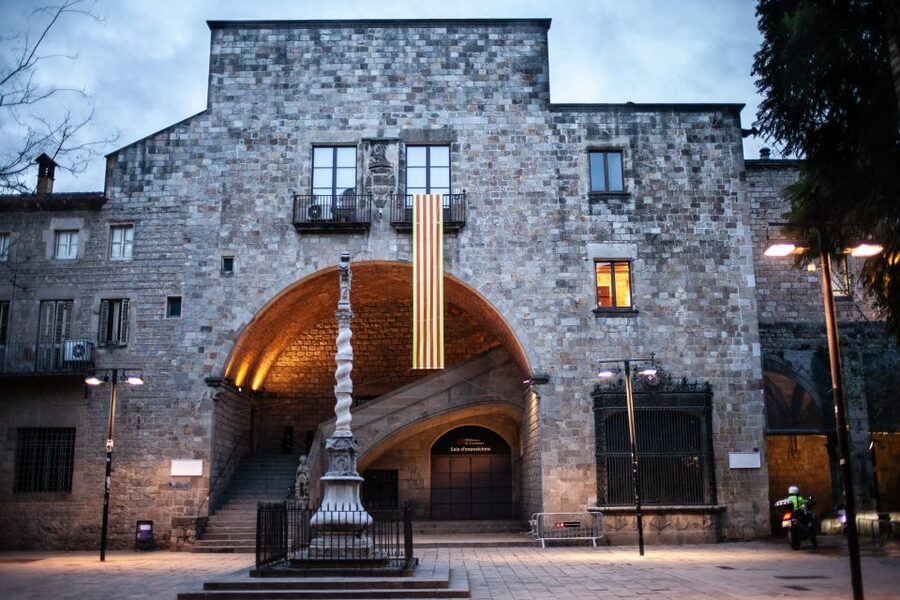
The route continues to the old Hospital de la Santa Creu, one of the walk’s most substantial historic sites. You wander through its grounds and garden while hearing about macabre shows and spells once associated with the location.
The hospital adds another layer to El Raval’s story. It was not simply a place of healing in the modern sense. Old hospitals could also be crowded, grim, and closely tied to death, poverty, religion, and public spectacle.
The garden offers a change of pace after the Vampiress story and the tight medieval lanes. You get room to look around while the guide connects the site to the darker activities once held there.
The tour description calls this a guided visit to the old hospital, but it does not promise entry into every building or room. If you want a full museum-style interior tour, this may feel limited. If you want a short historical stop woven into a walking route, it fits well.
Bar Marsella and Barcelona’s old creative crowd
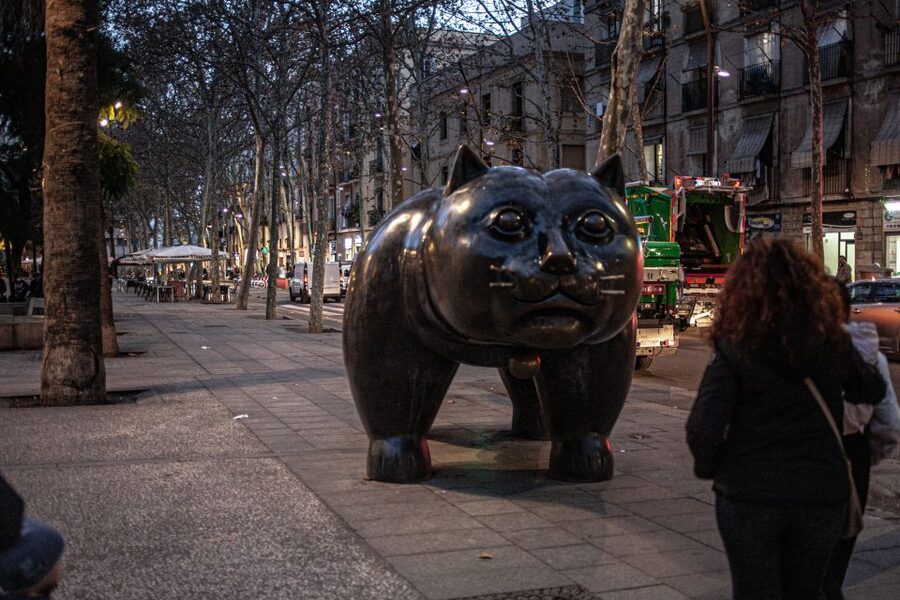
Next comes Bar Marsella, described as the oldest bar in town and open for more than 200 years. Its long history gives the tour a welcome human pause after the heavier stories.
The bar is linked with creative figures including Dalí, Gaudí, and Picasso. That detail helps show another side of El Raval: a district associated not only with hardship and vice, but also with the artists and unconventional characters drawn to its cheap rooms, old bars, and late-night culture.
You should not assume that a drink is included. The tour includes a guided walk, not food or beverages, so Bar Marsella is a historical stop rather than a scheduled tasting break.
I like the contrast here. A tour about death, crime, and old institutions needs a place that shows how people also gathered, argued, drank, and made art. Bar Marsella gives the story a little air without losing its connection to the neighborhood’s past.
Sant Pau del Camp and a troubled church history
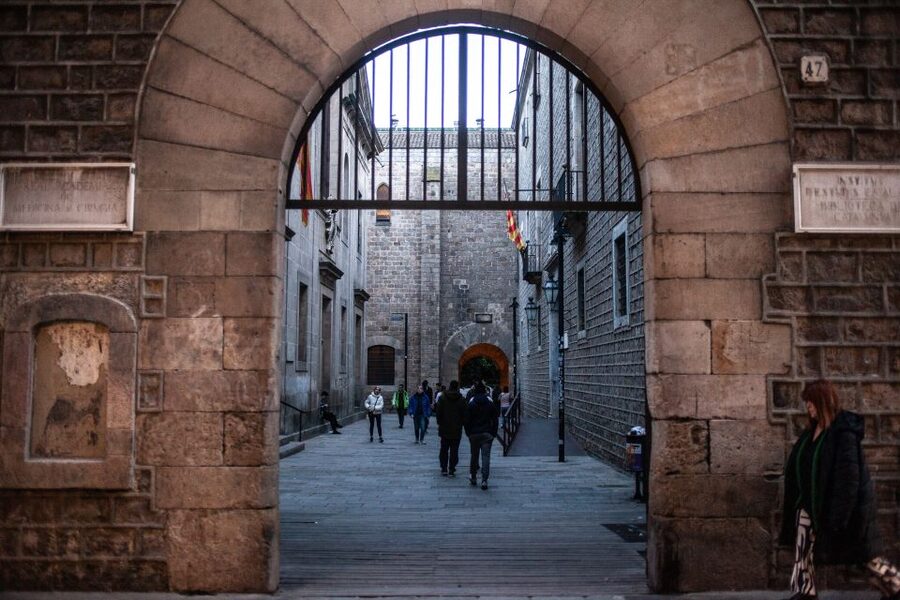
From Bar Marsella, the walk continues toward Sant Pau del Camp. This Romanesque church is more than 1,000 years old and is described as Barcelona’s oldest church.
Its age alone makes it an important stop, but the tour focuses on its troubled past and a local legend tied to the building. That combination should appeal to you if you like historic architecture with stories attached to it rather than monuments presented as silent objects.
Sant Pau del Camp also shows how much of Barcelona’s history survives in compact form. Within a short walk, you move from modern public art and nightlife to a Romanesque church with roots reaching back more than a thousand years.
As with the hospital, the supplied details do not guarantee a full interior visit. The value is in seeing the church and hearing its story in context. If you want to study Romanesque architecture in detail, allow separate time for a more focused visit.
The south side, old nightlife, and the Three Chimneys
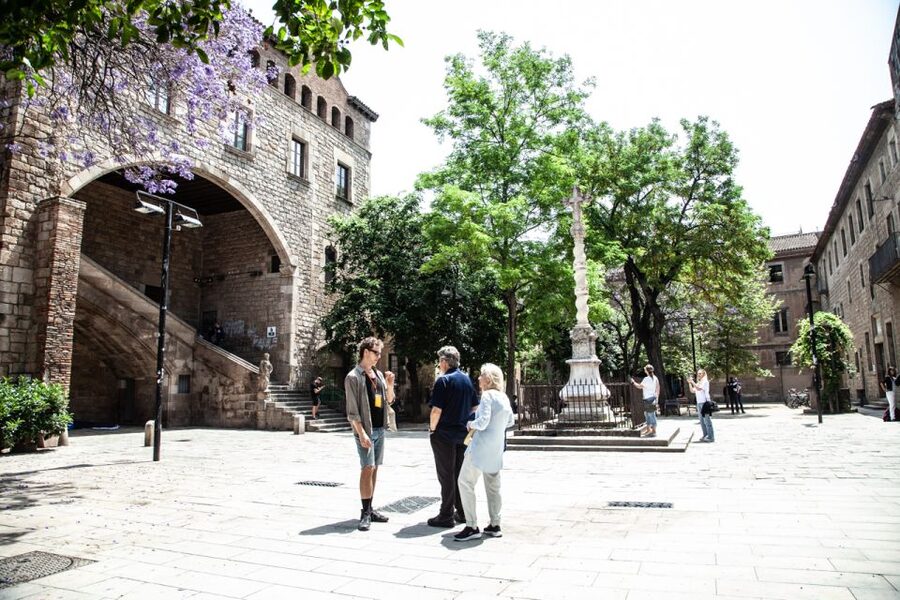
The final stretch heads through the south side of El Raval, once known for clubs, cabarets, and casinos. Your guide points out places connected to that entertainment district, including some that have survived into the modern era.
This section is useful because it expands the meaning of dark history. The neighborhood’s past was not limited to ghostly tales. It also involved nightlife, vice, public entertainment, and the social worlds that formed around them.
The route finishes at the Jardins de les Tres Xemeneies, near the Three Chimneys. The area is associated with a former power factory and is known for colorful graffiti that keeps changing.
If you are lucky, you may see street artists working. That is not guaranteed, but the area remains a good place to view public art after the formal tour ends.
The supplied meeting information says the activity ends back at the meeting point, while the stop details place the finish at the Jardins de les Tres Xemeneies. Because those points do not perfectly match, confirm the exact end location when you book or meet your guide. Either way, the last section gives you a practical chance to continue exploring El Raval on foot.
What the $33 price gets you
At $33 per person, the tour is priced as a focused guided walk rather than a full-day attraction. You pay for two hours of English-language storytelling, route planning, and access to a set of places that would be harder to connect on your own.
The value is strongest if you want interpretation. You can walk through El Raval for free, but you may miss the meaning behind the Casa de la Misericordia, the Vampiress story, the AIDS mural, the hospital, and the Three Chimneys.
The price is less compelling if you only want to see the buildings quickly or dislike legends mixed with history. Several stops are viewed from public areas, and the tour does not include admission, meals, or drinks.
Free cancellation is available up to 24 hours before the start time, and you can reserve while paying later. The tour runs in rain unless extreme weather causes the operator to cancel. Tips are not included, but you can tip the guide if the storytelling and organization deserve it.
Who will enjoy this walk most
I would recommend this tour to adults and older children who enjoy spooky stories, urban history, political art, and neighborhoods with a complicated past. It is especially useful for anyone who wants to see a side of Barcelona beyond the major architectural sights.
It suits first-time visitors who want a short introduction to El Raval, as well as repeat visitors looking for something less familiar. The two-hour length makes it easy to fit into a day of sightseeing.
I would be more cautious about booking it for very young children or anyone sensitive to stories about abandoned children, serial crime, death, and old vice districts. The pace is leisurely, but the subject matter can be heavy.
The walk is wheelchair accessible according to the activity details. Since the route includes narrow medieval streets and several urban stops, you may still want to confirm the exact route conditions with the operator if you have specific mobility needs.
Should you book Barcelona’s Dark History Walking Tour?
Book it if you want storytelling tied to real streets, and if El Raval’s mix of crime, religion, art, nightlife, and local legend sounds more appealing than a standard sightseeing route.
The strongest parts are the Casa de la Misericordia, Keith Haring’s AIDS mural, the old Hospital de la Santa Creu, and Sant Pau del Camp. The tour also gains warmth from Bar Marsella and finishes with contemporary graffiti at the Three Chimneys.
Skip it if you want a calm architectural tour, a full museum visit, or a strictly documented account with no folklore. For the right audience, $33 is a fair price for a compact, sharply themed introduction to one of Barcelona’s most complicated neighborhoods.
FAQ
Where does the tour begin?
Meet your English-speaking guide outside the Church of Sant Pere Nolasc Mercedaris in Plaça de Castella, Barcelona.
How long is the walking tour?
The tour lasts two hours and covers about two miles at a leisurely pace.
What language is the tour offered in?
The live guided tour is offered in English.
Is the tour wheelchair accessible?
Yes. The activity information states that the tour is wheelchair accessible.
What places are included on the route?
The route includes the Casa de la Misericordia, Keith Haring’s AIDS mural near MACBA, Carrer de Joaquín Costa, the old Hospital de la Santa Creu, Bar Marsella, Sant Pau del Camp, and the Three Chimneys.
Will the tour enter every building?
The activity includes guided stops at the listed sites, but the provided information does not promise full interior access to every building. Confirm access details if entering historic interiors is important to you.
What happens if it rains?
The tour operates rain or shine. If extreme weather forces cancellation, you receive a full refund.
Can you cancel the booking?
You can cancel up to 24 hours before the tour starts for a full refund. Reservations can also be made with payment later, helping you keep your plans flexible.
Just added around Barcelona
- GoCar Full Day Tour★ 4.0 · 6 reviews
- Sagrada Familia and Barcelona Highlights: Private Guided 4-Hour Driving Tour★ 5.0 · 6 reviews
- Barcelona: Highlights & Gems Private Tour with Tapa & Drink★ 3.9 · 6 reviews
- Gothic Quarter and Born District: Photographic Workshop★ 5.0 · 6 reviews
- Gobbi Yacht Rental in Barcelona 9 Pax 2/4/8hs★ 5.0 · 6 reviews
- Barcelona: Gothic Quarter & La Sagrada Familia Private Tour★ 4.9 · 6 reviews
- Private Sailboat Ride at Sunset from Sitges★ 5.0 · 6 reviews
- Barcelona: Private Tour of Casa Batllo with Reserved Access★ 3.5 · 6 reviews
Historical Tours, compared.
Tapas Walking Tour with Food, Wine, and History
Read our review →
Barcelona Tapas Walking Tour: Food, Wine & History
Read our review →
Barcelona Erotic Museum – Explore Art, History & Fun
Read our review →
Andorra Original History and Sightseeing Tour (Private, Pickup)
Read our review →
Tarragona and Sitges Small Group Tour – Roman History & Culture
Read our review →
Girona History and Legends Tour Small Group from Girona
Read our review →Browse the lists this tour appears in