
Reviewed · HIDDEN GEMS AND LOCAL WALKS
El Born – Historic Heart of Barcelona
Barcelona’s El Born is where medieval streets, Catalan identity, grand Modernist design, and everyday food culture meet. This small-group walking tour links major sights with less obvious corners, while guides such as Paulo and Alessio add stories, food tips, and local context.
I like the route’s clear story, from the Arc de Triomf and the medieval church of Sant Pere de les Puel·les to the defeat of 1714 and the park built on a former fortress. I also like the stop at Santa Caterina Market, where you can pause for a drink or small bite. The main consideration is pace: 2 hours and 30 minutes on foot, with no snacks, water, or tips included.
In This Review
- Key points to know before you book
- Why El Born makes a good walking tour
- Starting beneath Barcelona’s Arc de Triomf
- Sant Pere de les Puel·les and medieval Barcelona
- Palau de la Música and Barcelona’s Modernist side
- A pause at Santa Caterina Market
- Santa Maria del Mar and the city’s perseverance
- El Fossar de les Moreres and the memory of 1714
- El Born Centre and the remains of medieval Barcelona
- Ending at Ciutadella Park
- The guides and the feel of the walk
- Is $21.63 good value?
- Who should book this El Born walk?
- Should you book it?
- FAQ
- How long does the El Born Historic Heart of Barcelona tour last?
- What time does the tour start?
- Where does the tour begin?
- Where does the tour end?
- What is included in the tour price?
- Are food and drinks included?
- How large is the group?
- Can I cancel for a full refund?
Key points to know before you book
- A history-led route: Follow Barcelona from medieval religious power to the War of the Spanish Succession and the city’s 1888 expansion.
- Small group, maximum 15 people: The limited size should make it easier to hear the guide and ask questions.
- A useful food stop: Santa Caterina Market offers the chance to buy tapas and drinks, but you pay separately.
- Strong guide personalities: Paulo has used stories, images, and even an umbrella as a mock sword to make past battles easier to picture. Alessio has also led the walk, with a focus on food and local culture.
- A practical finish: The route ends in Ciutadella Park, near the end of the Passeig de Lluís Companys and within reach of central Barcelona.
- Good value at $21.63: You are paying mainly for a guided introduction and local interpretation, not admissions or food.
Why El Born makes a good walking tour
El Born is not a single monument. It is a compact part of Barcelona where the city’s past appears in layers. You can move from a nineteenth-century triumphal arch to a medieval church, then from a Modernist concert hall to a market, basilica, memorial, archaeological site, and public park.
That mix gives the tour a useful shape. You are not simply checking off buildings. You are following how Barcelona changed through religion, war, trade, architecture, and urban planning.
I especially like that the walk begins outside the most crowded core of the old city. The route does enter the historic center, but it approaches El Born through the Arc de Triomf and the promenade of Passeig de Lluís Companys. This gives you a clear starting point and a good first set of photographs before the streets become narrower.
The tour is offered in English and begins at 11:00 a.m. The maximum group size is 15, which is small enough to feel more personal than a large city walk. The published price is $21.63 per person, a fair rate if you want a guide to explain the connections between the stops. It is less of a bargain if you expect a museum visit, a meal, or included entry fees.
More local corners of Barcelona:
- Barcelona 3-hour Bike or E-Bike Tour: Highlights and Hidden Gems
★ 5.0 · 1,429 reviews - Barcelona: El Born and Gothic Quarter Wine & Tapas Bar Tour
★ 4.8 · 674 reviews - Barcelona: El Born Food Walking Tour with Tapas and Drinks
★ 4.9 · 662 reviews
Starting beneath Barcelona’s Arc de Triomf
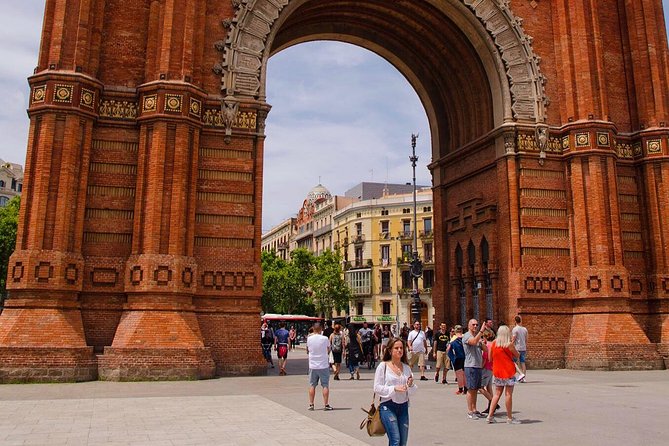
The Arc de Triomf is an effective place to begin. Built for Barcelona’s 1888 Universal Exposition, it introduces one of the walk’s main themes: the city’s effort to present itself as modern, confident, and outward-looking.
The arch also gives the guide room to set the scene. You can take early photographs along the broad promenade, and the open setting makes it easier to gather a group before heading into the older streets.
This first stop lasts about 20 minutes and has no admission charge. It is not a long architectural lecture at the start of the day. Instead, expect an introduction that helps you understand why the route later moves between medieval remains and nineteenth-century city planning.
Bring water from the start. Bottled water is not included, and the market comes later.
Sant Pere de les Puel·les and medieval Barcelona
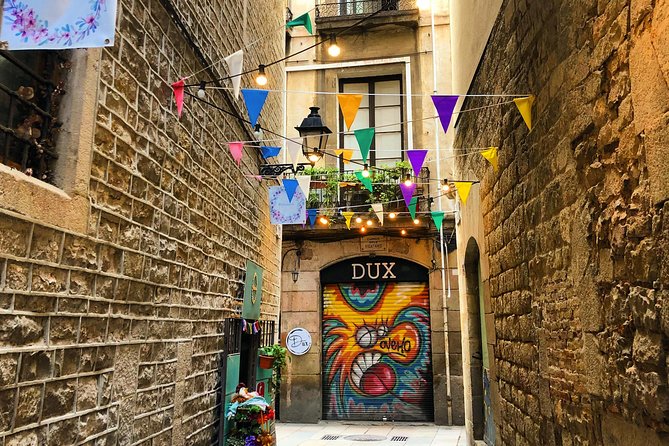
The first stop in El Born is the Monasterio de Sant Pere de les Puel·les, an old monastery founded in 945. The church gives the guide a way to explain how important religion was in medieval Barcelona.
This is a useful pause because El Born can first look like a district of cafés, shops, and narrow lanes. Sant Pere adds a much older layer. You can better picture a city shaped by churches, convents, civic power, and tightly packed neighborhoods.
The stop lasts around 20 minutes and does not include an admission fee. The appeal here is the explanation rather than a long interior visit. If religious history is not your main interest, this may be a quieter section of the tour, but it helps make the later buildings easier to understand.
Palau de la Música and Barcelona’s Modernist side
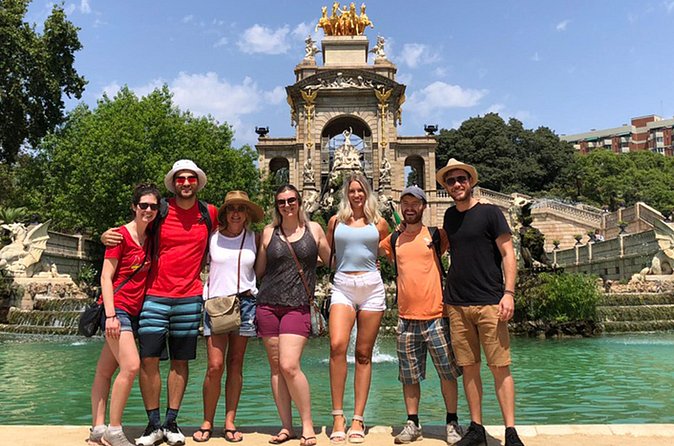
The Palau de la Música Catalana shifts the mood. This UNESCO-listed Modernist concert hall is known for its highly decorative architecture, and it shows how Barcelona’s artistic ambitions reached into the old city.
You do not need to be attending a concert to appreciate the building from the outside. The stop gives you a chance to look at the unusual forms and decorative style associated with Catalan Modernism. The guide also provides photographs and images to help explain places that you may not enter during the walk.
The visit lasts about 20 minutes. Admission to a performance or interior visit is not part of this experience, so think of the stop as an architectural introduction rather than a full Palau tour.
That distinction matters when comparing tours. If your priority is seeing the concert hall’s interior, you will need a separate ticket or a different visit. If you want to understand how Modernist design fits into a broader walk through El Born, this short stop works well.
A few more Barcelona options worth an hour of your trip
- Barcelona: Tapas Walking Tour with Food, Wine, and History
★ 4.8 · 4,261 reviews - Barcelona Tapas Walking Tour: Food, Wine & History
★ 4.5 · 1,928 reviews - Barcelona: 2.5-Hour Bike or E-Bike Historical Tour
★ 4.5 · 1,262 reviews - Barcelona Erotic Museum – Explore Art, History & Fun
★ 4.4 · 450 reviews
A pause at Santa Caterina Market
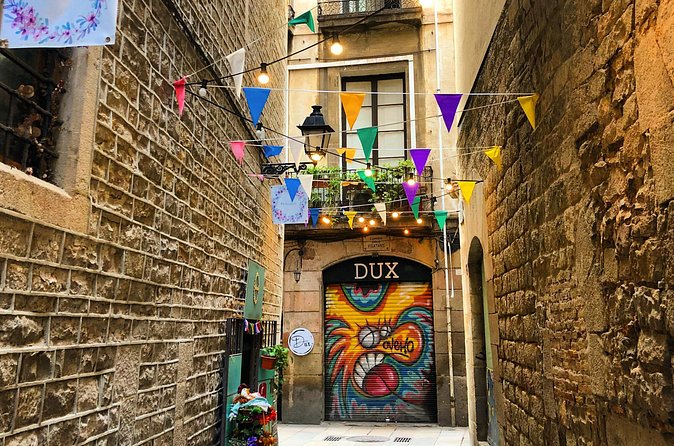
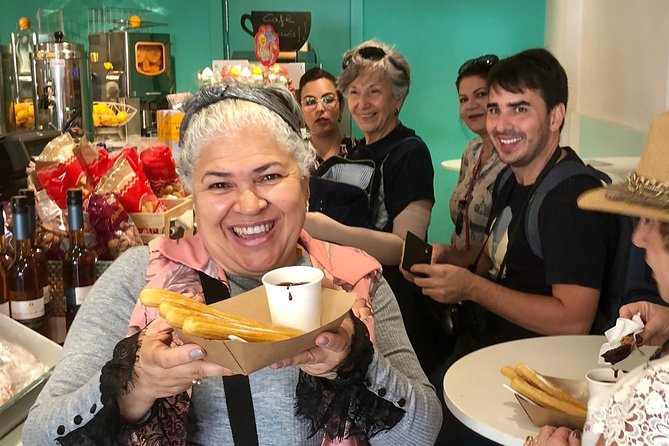
Santa Caterina Market is the most practical stop on the route. The guide allows about 20 minutes here, giving you time to find a tapas-style bite or a drink and use the toilet.
Food and drinks are not included, so keep some money available. This is not a formal tasting menu. You choose what interests you and pay for it yourself. That gives you more control, but it also means the final cost depends on what you order.
I like this part because it breaks up the history with something ordinary and local. Markets show how a neighborhood functions today, not just how it looked centuries ago. Guides Paulo and Alessio have both been praised for connecting food with Barcelona’s past and present, so this is a good place to ask for restaurant suggestions.
The tour includes a list of restaurant recommendations. Use it after the walk if you want to keep exploring El Born without relying only on the most obvious tourist streets.
Santa Maria del Mar and the city’s perseverance

The Basilica de Santa Maria del Mar is one of the route’s main sights. The guide spends about 20 minutes here, telling the story of what is described as the old city’s most important basilica and linking it to Barcelona’s perseverance and faith.
This stop is especially useful if you want more than a photograph. A church can seem impressive but distant when you view it alone. A guide can give you a reason to notice its place in the life of the old city and explain why it matters to Barcelona’s identity.
The admission ticket is not included. The walk does not promise a full paid visit inside, so check what access is available on the day and budget separately if you want to enter. Even as an exterior stop with commentary and photographs, the basilica gives the route a strong visual center.
El Fossar de les Moreres and the memory of 1714

At El Fossar de les Moreres, the tour turns toward Catalan memory. This memorial marks a site connected with the September 11, 1714 defeat, one of the most painful events in Barcelona’s history.
The stop lasts around 20 minutes and has no admission fee. It is a place where the guide’s storytelling matters. The subject is not just a date to memorize. It helps explain why Catalan history, language, and political identity remain important in Barcelona today.
This is also where the walk asks you to slow down and listen. You may enjoy the tour most if you are willing to spend time on historical context rather than rushing from one attractive building to the next.
Paulo’s style, based on past guided walks, is lively and theatrical. He has acted out historical events with an umbrella as a sword, which may sound playful, but it can make a difficult subject easier to follow. The approach is not for someone seeking a silent, formal lecture. It suits you if you like stories that connect facts with people and action.
El Born Centre and the remains of medieval Barcelona
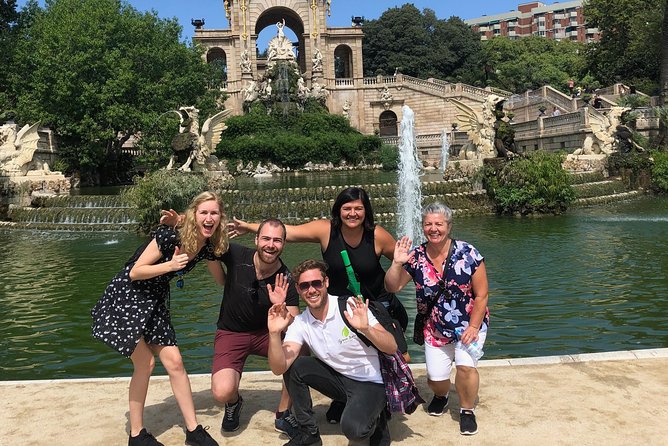
The El Born Centre de Cultura i Memòria occupies an old market building that has been converted into a museum. Inside, you can see remains of medieval Barcelona and learn more about the city’s defeat in 1714.
The planned stop lasts about 15 minutes. That is enough for an introduction, but not enough for an exhaustive museum visit. If the archaeological remains catch your interest, you may want to return later with more time.
This is one of the route’s most valuable stops because it makes the past physical. Earlier, you hear about medieval Barcelona and the events of 1714. Here, the old city is visible below the former market structure. The connection between street-level Barcelona and the city beneath it becomes easier to grasp.
The center also ties together the nearby memorial at El Fossar de les Moreres and the wider story of El Born. Instead of treating the neighborhood as a pretty historic quarter, the tour presents it as a place shaped by loss, rebuilding, and changing uses.
Ending at Ciutadella Park
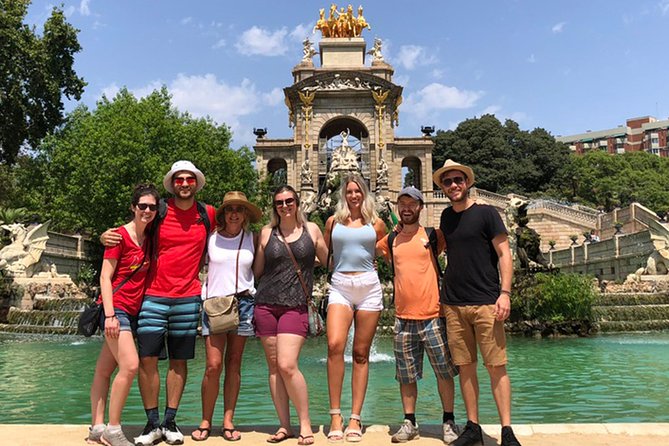
The final stop is Parc de la Ciutadella, where the tour spends about 15 minutes. The park occupies the site of an old fortress built after the War of the Spanish Succession. It was later converted into a public park and became a major part of Barcelona’s 1888 Universal Exposition.
This ending gives the route a satisfying change of scale. You leave the narrow historic streets and reach open public space. The park also brings back the ideas introduced at the Arc de Triomf: Barcelona’s transformation into a modern city capable of hosting a major international event.
The tour finishes inside the park, near Passeig de Picasso and at the end of the promenade that connects back toward the Arc de Triomf. That is handy if you want to continue walking, rest in the park, or make your way to another part of central Barcelona.
Because the tour ends outdoors, have a plan for what comes next. The guide provides restaurant recommendations, but no meal is included.
The guides and the feel of the walk
The strongest praise for this experience centers on the guides’ energy and storytelling. Paulo has led the El Born walk as well as other Barcelona tours, including a Gothic Quarter walk and a bike tour. His approach uses humor, historical scenes, photographs, and present-day advice.
Alessio has also led the experience, with particular attention to local food, markets, and stories connected with Barcelona’s daily life. The exact guide may vary, but the supplied information identifies both Paulo and Alessio as guides associated with these walks.
The small group matters here. With a maximum of 15 people, you have a better chance of hearing the commentary in old streets and asking a question without holding up a large crowd. It also makes the market stop more flexible and personal.
This is not a tour for someone who wants every minute scripted around paid attractions. It is a guided orientation with stories, photographs, public sites, and optional food stops. I would choose it early in a Barcelona visit if I wanted to understand El Born before exploring it alone.
Is $21.63 good value?
At $21.63, the price is reasonable for a 2.5-hour guided walk in central Barcelona. The guide, commentary, visual materials, and restaurant list are included. Public stops such as the Arc de Triomf, Sant Pere de les Puel·les, El Fossar de les Moreres, and Ciutadella Park do not add entry costs.
The extra spending is easy to overlook. You pay separately for tapas, drinks, snacks, water, tips, and any admission connected with Santa Maria del Mar or other interiors. Plan for the tour to cost more than the headline price if you want to eat at the market or enter paid sites.
The value is strongest if you care about context. You are paying to understand why these places matter and how they fit together. It is weaker if you prefer to walk independently, read signs, and spend a long time inside one museum or church.
Who should book this El Born walk?
I would recommend it to first-time visitors who want a clear introduction to Barcelona beyond the biggest headline sights. It also suits people who have already seen the main attractions and want a more focused look at the old city’s architecture, food, and Catalan history.
You will likely enjoy it if you:
- Like walking tours built around stories and city history
- Want a small group rather than a large crowd
- Appreciate restaurant and market advice
- Enjoy photographing architecture
- Want to connect medieval Barcelona with the city of 1888
- Are happy to pay separately for food and possible entry fees
I would think twice if you have limited walking ability, dislike outdoor tours in uncertain weather, or want a tour with included tastings. The experience requires good weather, and it may be canceled if conditions are poor or if the minimum number of participants is not reached.
Confirmation is provided at booking. The meeting point is Arc de Triomf, Passeig de Lluís Companys, and the end point is Ciutadella Park. The route is near public transportation, service animals are allowed, and most people can participate according to the available activity information.
Should you book it?
Book this tour if you want El Born explained rather than simply photographed. Its best features are the small group, the mix of medieval and Modernist sights, the 1714 story, and the chance to connect local food with the neighborhood.
The main trade-off is that the experience gives you a guided overview, not a series of full interior visits. At $21.63, that is a fair exchange for a lively introduction, especially if Paulo or Alessio brings the same animated style associated with the tour. Bring water, budget for a market snack, and leave time afterward to return to the places that catch your eye.
FAQ
How long does the El Born Historic Heart of Barcelona tour last?
The tour lasts approximately 2 hours and 30 minutes.
What time does the tour start?
The tour starts at 11:00 a.m.
Where does the tour begin?
The meeting point is Arc de Triomf on Passeig de Lluís Companys in Barcelona’s Ciutat Vella district.
Where does the tour end?
The tour ends inside Ciutadella Park, at Passeig de Picasso 21. The park is at the end of the Passeig de Lluís Companys promenade leading back toward Arc de Triomf.
What is included in the tour price?
The price includes a tourist guide, photographs and images to help explain the tour, and a list of restaurant recommendations.
Are food and drinks included?
No. Snacks, bottled water, tapas, and drinks are not included. You can buy tapas or drinks at Santa Caterina Market and pay separately.
How large is the group?
The tour has a maximum of 15 participants.
Can I cancel for a full refund?
Yes, if you cancel at least 24 hours before the experience start time. Cancellations made less than 24 hours in advance are not refunded, and changes within that period are not accepted. If poor weather or a failure to reach the minimum number of participants cancels the tour, you will be offered another date or experience, or a full refund.
Just added around Barcelona
- GoCar Full Day Tour★ 4.0 · 6 reviews
- Sagrada Familia and Barcelona Highlights: Private Guided 4-Hour Driving Tour★ 5.0 · 6 reviews
- Barcelona: Highlights & Gems Private Tour with Tapa & Drink★ 3.9 · 6 reviews
- Gothic Quarter and Born District: Photographic Workshop★ 5.0 · 6 reviews
- Gobbi Yacht Rental in Barcelona 9 Pax 2/4/8hs★ 5.0 · 6 reviews
- Barcelona: Gothic Quarter & La Sagrada Familia Private Tour★ 4.9 · 6 reviews
- Private Sailboat Ride at Sunset from Sitges★ 5.0 · 6 reviews
- Barcelona: Private Tour of Casa Batllo with Reserved Access★ 3.5 · 6 reviews
Hidden Gems and Local Walks, compared.
Barcelona 3-hour Bike or E-Bike Tour: Highlights and Hidden Gems
Read our review →
El Born and Gothic Quarter Wine & Tapas Bar Tour
Read our review →
El Born Food Walking Tour with Tapas and Drinks
Read our review →
Barcelona Old Town Tapas Tour: Vermouth, Bites & Hidden Gems
Read our review →
Barcelona Highlights & Hidden Gems Private Tour
Read our review →
Barcelona Food Tour: Tapas, Drinks and Delights with a Local
Read our review →
Barcelona Historical Walking Tour: Gothic Quarter and El Born
Read our review →
Welcome to Barcelona: Private Tour with a Local
Read our review →Browse the lists this tour appears in