
Reviewed · GAUDI TOURS
Gaudí & Modernism with a Historian.
Barcelona’s Modernist buildings are easy to admire and easy to misunderstand. This 2.5-hour walking tour with historian Mariano Pesin puts Gaudí into the wider world of industrial growth, politics, money, art, and social change. You do not just look at unusual façades. You learn why this period changed Barcelona.
I like the tour’s attention to symbolism inspired by nature and its use of original objects from the period. I also like the final coffee stop, which gives you time to talk through what you have seen. The main consideration is pace: it is a walking tour that starts on time, and you should be ready to stay with the group for the full two and a half hours.
In This Review
- Key points to know before you book
- Why this tour is about more than Gaudí
- Starting at Pg. de Gràcia, 2
- Understanding Casa Milà through Gaudí’s ideas
- From one famous architect to a whole city
- Mariano Pesin’s guiding style
- The coffee stop in a peaceful courtyard
- Route, timing, and the walk back
- Is $65 a fair price?
- Who will get the most from this experience?
- Should you book Gaudí and Modernism with a Historian?
- FAQ
- Where does the Gaudí and Modernism tour begin?
- Where does the tour finish?
- How long does the experience last?
- Which languages are available?
- Is the tour wheelchair accessible?
- Is Casa Milà included in the route?
- What does the tour cover besides Gaudí?
- Can I cancel the booking?
Key points to know before you book
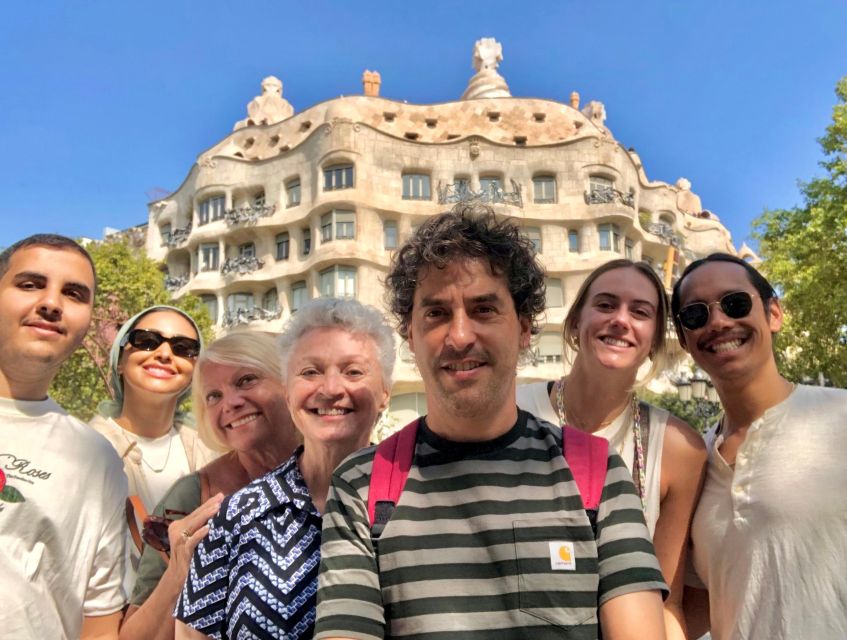
- Historian Mariano Pesin leads the tour: His approach connects buildings with the people, money, and events that shaped Modernist Barcelona.
- The focus reaches beyond Gaudí: You learn about the full Modernist period from 1888 to 1930.
- Casa Milà is a central stop: The tour explains Gaudí’s ideas and symbolism in front of one of his best-known works.
- Original period objects add a hands-on touch: These help turn an abstract art movement into something more concrete.
- The finish is relaxed: The group ends at a beautiful coffee shop surrounded by nature, with time for conversation.
- The practical setup is simple: Meet in front of the Camper Store at Pg. de Gràcia, 2. The tour is offered in English or Spanish and is wheelchair accessible.
Why this tour is about more than Gaudí
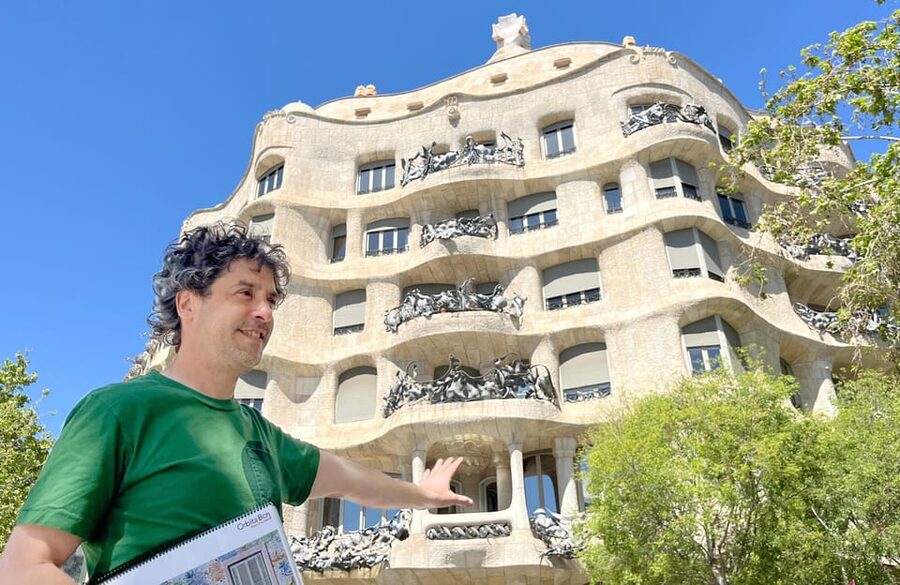
Gaudí gets top billing, but the tour’s real subject is Barcelona’s Modernisme movement. That matters because Gaudí’s work makes more sense when you see it as part of a larger period of change.
From 1888 to 1930, Barcelona was shaped by the Industrial Revolution. The city grew into a modern international center, and new wealth helped fund ambitious buildings. Artists such as Gaudí and Picasso came to Barcelona, while business families competed to build impressive homes and public spaces.
This setting gives you a better way to read the city. A strange roof is not just a strange roof. A carved flower, a twisting line, or a dragon-like shape may point to nature, religion, local identity, or the ambitions of the person who paid for the building.
I like this approach because it avoids treating Gaudí as an isolated genius floating above his time. You get the social, political, economic, and artistic setting around him. That context can change the way you see Barcelona for the rest of your visit.
More Gaudí days in Barcelona:
- Barcelona: Park Güell and Gaudí House Museum Entry Ticket
★ 4.5 · 6,326 reviews - Barcelona: La Pedrera Night Experience
★ 4.4 · 4,633 reviews - Barcelona: Gaudi’s Casa Vicens Skip-the-Line Entrance Ticket
★ 4.7 · 3,449 reviews
Starting at Pg. de Gràcia, 2
The meeting point is in front of the Camper Store at Pg. de Gràcia, 2. Arrive early enough to find the spot and settle in, since the experience begins on time. Mariano allows a maximum wait of 10 minutes when participants have given prior notice, but you should not plan to arrive at the last moment.
The starting point places you on one of Barcelona’s best-known avenues, an area closely linked with Modernist architecture and the city’s wealthy expansion. From here, the tour begins its work of connecting streets, buildings, and history.
The opening part is likely to be especially useful if you are new to Barcelona. Instead of hearing a list of architects and dates, you get a framework for understanding why Modernisme appeared when it did. If you already know Gaudí, the wider period may give you fresh questions to consider.
Keep water with you. The tour lasts two and a half hours, and the supplied information advises going to the bathroom before setting off. Wear clothing suited to the forecast, since temperatures can change during the walk.
Understanding Casa Milà through Gaudí’s ideas
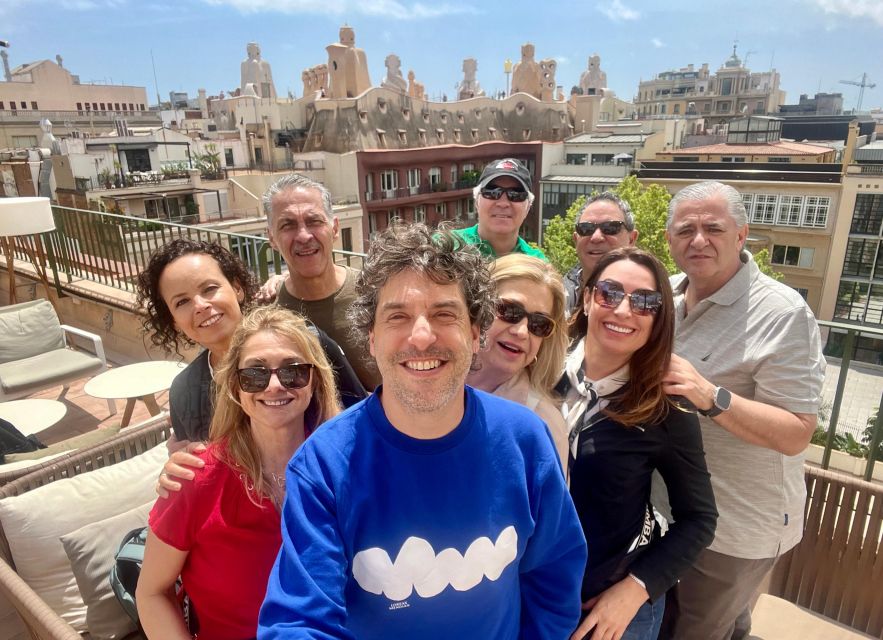
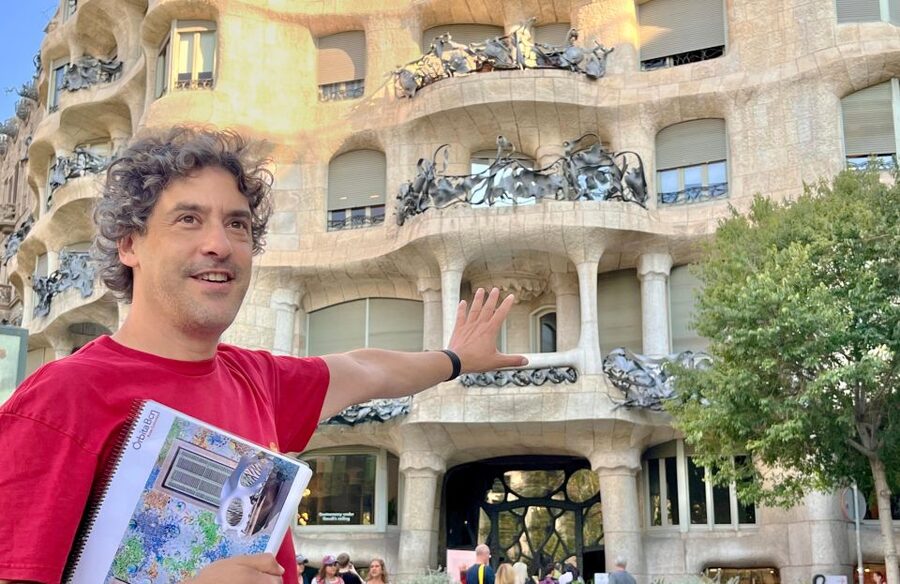
Casa Milà is the named architectural highlight of the route. Gaudí’s work is explained in front of his famous buildings, with attention to the details and symbols that can be missed when you are looking on your own.
Casa Milà is a good place for this kind of explanation because Gaudí’s design invites close inspection. The building is not meant to be understood in one quick glance. Its shapes, references to nature, and unusual visual language reward someone who can point out what to notice.
The tour focuses on Gaudí’s sensitivity and his use of natural forms. You will hear about the way he worked with ideas drawn from the natural world, rather than relying only on straight lines and conventional decoration. Mariano also places Gaudí among the influential people who supported his work, showing how artistic ambition and wealth came together in Modernist Barcelona.
One useful feature is that the experience analyzes symbolism rather than simply naming it. That can help you slow down. Instead of taking a photograph and moving on, you may begin asking what a form suggests and why it appears on the building.
The information provided describes the Casa Milà portion as a guided tour, but it does not specify an interior admission ticket. I would therefore treat this as an exterior-focused walking experience unless your booking confirmation says otherwise. If seeing the inside of Casa Milà is a priority, check that detail before paying.
From one famous architect to a whole city
The strongest part of the experience is its attempt to explain how Barcelona changed as a whole. The Modernist period was not only a style of decoration. It grew out of a city becoming more industrial, more wealthy, and more connected to the wider world.
You will learn how influential artists began settling in Barcelona and how the city’s new status encouraged ambitious architecture. The tour also looks at the people behind the buildings. Gaudí knew how to work with wealthy and influential patrons, using their resources to create remarkable structures.
That social angle gives the walk more substance. You are not simply told that Gaudí was creative. You are shown how creativity depended on clients, money, public taste, and a city eager to present a new image.
Mariano also brings original objects from the period. The available details do not specify exactly which objects you will see, so I would not book this expecting a particular artifact. Still, the idea is useful. Physical objects can make the period feel less remote and help you picture the daily world around these buildings.
The tour’s strong rating, 4.8 from 17 ratings, fits its stated style: historical explanation delivered in a personal and lively way. Several comments highlight Mariano’s enthusiasm, humor, care for participants, and ability to connect art with the present city. One useful theme comes through repeatedly: people finish the walk noticing small Modernist details they would previously have walked past.
A few more Barcelona options worth an hour of your trip
- Barcelona: Park Güell Admission Ticket
★ 4.4 · 76,534 reviews - Barcelona: Casa Batlló Entry with Self-Audioguide Tour
★ 4.7 · 25,359 reviews - Barcelona: 24 or 48-Hour Hop-On Hop-Off Bus Tour
★ 4.4 · 20,872 reviews - Barcelona: Park Guell Guided Tour with Skip The Line Entry
★ 4.7 · 17,563 reviews
Mariano Pesin’s guiding style
Mariano Pesin is the named guide and organizer. He leads in English or Spanish, so you should select the language that lets you follow architectural and historical ideas without strain.
The feedback attached to the experience places a lot of weight on Mariano himself. His style is described as enthusiastic, friendly, funny, and highly engaged with Barcelona. That matters on a history walk. Dates and names can become dry if the guide simply recites them. Here, the aim is to make the period feel connected to real personalities and choices.
Several comments also point to the way Mariano creates a sense of personal connection. One person described leaving with the feeling of having a friend in Barcelona. That does not mean the tour is casual or lacking in substance. The stated focus remains serious: social, political, economic, and artistic context, plus analysis of Gaudí’s work.
I would choose this tour if you want a guide who talks with you, not just at you. It may suit you less if you prefer a silent audio guide, a quick photo route, or a strictly timed survey of many buildings.
The coffee stop in a peaceful courtyard
At the end, Mariano invites the group to an exclusive coffee shop surrounded by nature. The exact café name and what is included in the price are not specified, so confirm whether your own drink is covered.
This ending is more than a pleasant extra. A coffee stop gives you a chance to ask questions and connect the buildings you have seen. The experience is designed to finish with conversation in a beautiful, relaxing courtyard, rather than ending abruptly on a pavement.
I especially like this feature for first-time visitors. Barcelona’s Modernist details can seem overwhelming after several hours of sightseeing. A quiet pause lets you sort out the difference between Gaudí, Modernisme, industrial growth, and the people who financed the city’s grand designs.
It also gives the tour a human finish. You begin with a meeting point on a major avenue, spend the walk examining architecture and history, and end with a slower exchange about Barcelona.
Route, timing, and the walk back
The listed route begins at Pg. de Gràcia, 2, includes Casa Milà, and finishes at C. de Pau Claris, 179, 08037 Barcelona. The total time is 2.5 hours.
The route is compact enough to fit into a morning or afternoon, but you should still plan around it. Do not book another fixed activity immediately afterward. The tour begins on time, and the historical explanations may make the pace feel fuller than a simple photo walk.
The information does not give the exact group size or list every building visited. That means you should think of this as a focused guided walk rather than a complete survey of every Modernist site in Barcelona. Its value is in interpretation, not in the number of façades checked off.
The tour is wheelchair accessible, which is useful for many visitors, though the supplied details do not describe pavement conditions, rest points, or the exact route between stops. If you need specific mobility arrangements, contact Mariano before booking at +34 667098989.
Is $65 a fair price?
At $65 per person, this tour costs more than a basic free walking tour, but the comparison is not quite equal. You are paying for a named historian, a small-scale educational approach, discussion of the Modernist period in context, symbolism analysis, original period objects, and a coffee stop.
The price makes the most sense if you want to understand Barcelona rather than simply photograph it. A self-guided walk can show you Casa Milà, but it will not necessarily explain how industrial growth, wealthy patrons, artistic ambition, and city identity came together.
The value is also stronger if you are curious about architecture but do not have a technical background. Mariano’s role is to translate design into clear stories about people and place. You do not need to arrive knowing architectural terms.
The price may feel high if you only want a short introduction to Gaudí or are mainly interested in entering Casa Milà. The provided details do not confirm interior admission, so check that point carefully. This is best viewed as a history and interpretation tour, not as an entrance-ticket package.
Free cancellation up to 24 hours before the experience and the option to reserve now and pay later reduce the risk of booking. Starting times vary, so check availability for the date you want.
Who will get the most from this experience?
I would recommend the tour to you if you enjoy stories about how cities change. It is a good match for anyone interested in architecture, art, Barcelona’s social past, or the relationship between wealthy patrons and famous artists.
It should also suit repeat visitors. One person who had already taken other Barcelona site tours found this experience more distinctive because it drew attention to subtle details. That is a useful point: you do not need to be seeing the city for the first time to gain something from the walk.
Families with older children and teenagers may also appreciate the visual symbols and unusual buildings, though the tour’s historical content may be more suitable for listeners who can follow a sustained explanation.
You may want a different option if you need a rapid overview, a tour built around interior visits, or a route with a clearly published list of every stop. The supplied information names Casa Milà but does not provide a full stop-by-stop schedule or group size.
Should you book Gaudí and Modernism with a Historian?
Book it if you want Barcelona’s architecture explained through its people and its time, not just pointed out. Mariano Pesin’s tour puts Gaudí inside the wider Modernist movement, uses symbolism and period objects to sharpen your eye, and leaves room for conversation over coffee.
Before booking, confirm the language, starting time, café arrangements, and whether any interior admission is included. Bring water, wear sensible clothing, and arrive before the meeting time at the Camper Store.
For $65, this is a strong choice for an architecture-minded visitor who values a thoughtful guide. It is less suitable for someone seeking the cheapest walk or a guaranteed interior tour of Casa Milà. If you want to look at Barcelona with more care after the tour, this experience should give you plenty to notice.
FAQ
Where does the Gaudí and Modernism tour begin?
The meeting point is in front of the Camper Store at Pg. de Gràcia, 2, in Barcelona.
Where does the tour finish?
The tour finishes at C. de Pau Claris, 179, 08037 Barcelona, Spain.
How long does the experience last?
The walking tour lasts 2.5 hours.
Which languages are available?
The live tour guide is available in English and Spanish.
Is the tour wheelchair accessible?
Yes, the experience is listed as wheelchair accessible.
Is Casa Milà included in the route?
Yes, Casa Milà is a named stop where Gaudí’s work is explained and analyzed. The supplied information does not confirm interior admission.
What does the tour cover besides Gaudí?
It covers the Modernist period from 1888 to 1930, including its social, political, economic, and artistic context. It also explains Barcelona’s industrial growth, Modernist symbolism, and influential artists connected with the city.
Can I cancel the booking?
Yes. You can cancel up to 24 hours in advance for a full refund. You can also reserve now and pay later.
Just added around Barcelona
- GoCar Full Day Tour★ 4.0 · 6 reviews
- Sagrada Familia and Barcelona Highlights: Private Guided 4-Hour Driving Tour★ 5.0 · 6 reviews
- Barcelona: Highlights & Gems Private Tour with Tapa & Drink★ 3.9 · 6 reviews
- Gothic Quarter and Born District: Photographic Workshop★ 5.0 · 6 reviews
- Gobbi Yacht Rental in Barcelona 9 Pax 2/4/8hs★ 5.0 · 6 reviews
- Barcelona: Gothic Quarter & La Sagrada Familia Private Tour★ 4.9 · 6 reviews
- Private Sailboat Ride at Sunset from Sitges★ 5.0 · 6 reviews
- Barcelona: Private Tour of Casa Batllo with Reserved Access★ 3.5 · 6 reviews
Gaudi Tours, compared.
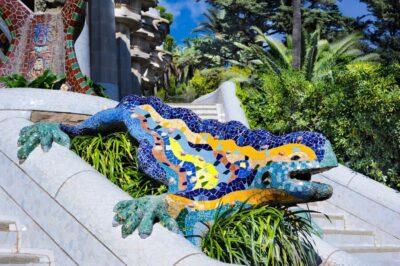
Park Güell and Gaudí House Museum Entry Ticket
Read our review →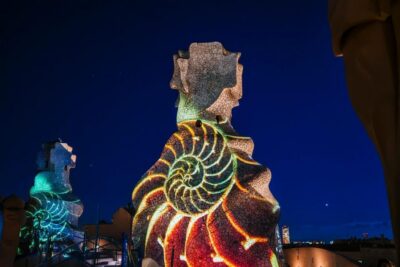
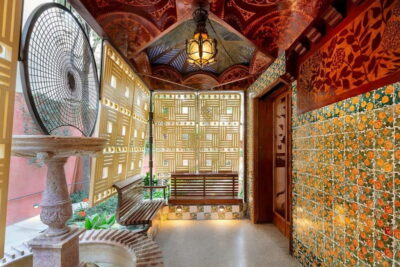
Gaudi’s Casa Vicens Skip-the-Line Entrance Ticket
Read our review →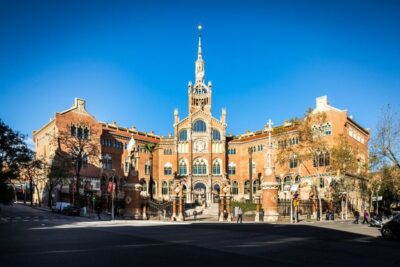

Sagrada Familia, Modernism, and Old Town Tour
Read our review →
Sagrada Familia & Gaudi Tour Private or Small Group with Tickets
Read our review →
Complete Gaudi Tour: Casa Batllo, Park Guell & Sagrada Familia
Read our review →
La Pedrera-Casa Mila Admission Ticket with Audioguide
Read our review →Browse the lists this tour appears in