
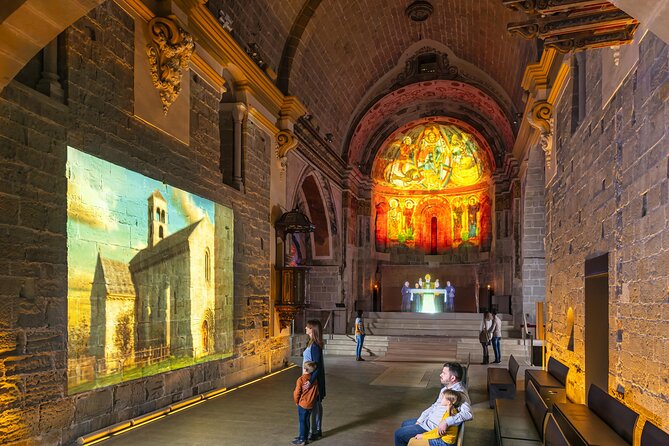
Reviewed · SELF-GUIDED TOURS
Mon St Benet Self Guided Medieval Experience
Sant Benet de Bages gives you something Barcelona’s city sights cannot: a quiet walk through a 1,000-year-old monastery, with medieval life presented through voices, sounds, images, and video. The route leads through the church, cloister, wine cellar, and former cells, so you are not simply looking at old stone. You get a sense of how the building was used.
I like two things right away. The audio starts automatically, which lets you keep your attention on the rooms instead of fiddling with a device. I also like the way the presentation uses a monk at work and other visual scenes to make the past easier to picture. The main consideration is that this is a short, self-guided visit of about an hour, and transportation from Barcelona is not included.
In This Review
- Key points at a glance
- A thousand years inside Sant Benet de Bages
- The church gives the visit its sense of scale
- The cloister is the heart of the route
- The wine cellar adds a practical side
- Former cells show the personal side
- A sensory presentation, not just an audioguide
- The grounds and modern Món Sant Benet
- Is $18.51 a fair price?
- Planning your visit from Barcelona
- Who will enjoy this monastery experience?
- My take: book it if you want history without a full-day commitment
- FAQ
- Where does the experience take place?
- How long does the monastery visit last?
- What areas of the monastery can I see?
- Is an audioguide included?
- Is transportation from Barcelona included?
- Are food and drinks included?
- How many people can join the activity?
- Can I cancel for a refund?
Key points at a glance
- Automatic audio and video: The explanations activate on their own, making the route easy to follow.
- Four memorable monastery spaces: See the church, cloister, wine cellar, and cells in the Montserrat gallery.
- A sensory approach to medieval life: Voices, daily sounds, and projected images help you picture the people who lived here.
- More than an old monastery: Món Sant Benet also includes natural grounds, restaurants, shops, and a culinary research centre.
- Good value for a short cultural stop: At about $18.51 per person, the visit is reasonably priced if you want a focused introduction to Catalonian monastic history.
- Simple planning: Your mobile ticket is confirmed at booking, and free cancellation is available up to 24 hours before the start time.
A thousand years inside Sant Benet de Bages
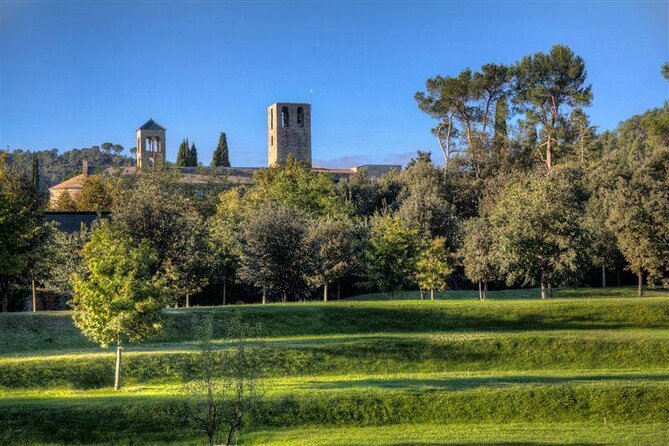
Món Sant Benet is a cultural and leisure complex just outside Barcelona. Its central attraction is the medieval monastery of Sant Benet de Bages, surrounded by natural grounds and paired with modern facilities devoted to food, research, dining, and shopping.
That contrast is part of the appeal. You can move from thick medieval walls and a quiet cloister to a modern culinary research centre only a short distance away. The old and new parts are not presented as separate worlds. Together, they make Món Sant Benet more than a church visit.
The monastery route is called One thousand years of sensations. That name points to the way the experience works. You follow a set path, but the story comes through more than spoken facts. Sounds from daily monastic life, voices from the past, and images placed within the rooms help you picture the site as a working religious community.
I find this approach useful if you do not already know much about Catalonian history. A silent building can be hard to read. The audio gives the rooms a purpose, while the visual material gives you a few human figures and activities to hold on to.
A few more Barcelona options worth an hour of your trip
- Barcelona: Palau de la Música Self-Guided Tour
★ 4.6 · 3,603 reviews - Casa Batllo Admission Ticket with Intelligent Audio Guide
★ 4.5 · 3,168 reviews - Barcelona: Mies van der Rohe Pavilion Ticket and Audio Guide
★ 4.6 · 380 reviews
The church gives the visit its sense of scale
The church is one of the principal stops on the route. It provides the clearest reminder that this was not simply a private residence for monks. It was a religious centre, and its spaces were arranged around worship and community life.
You can expect the presentation to connect the building with the people who used it. Instead of receiving a long lecture about dates and architectural terms, you hear and see material designed to place you in the monastery’s past.
That makes the church a good early anchor for the visit. Once you understand its role, the cloister and other rooms make more sense. You are no longer walking through unrelated historic spaces. You are tracing parts of one community.
The experience is still self-guided, so you set your own pace within the route. That works well for people who prefer not to stay with a live group. It also means you should not expect a guide to answer personal questions or adjust the presentation to your interests.
The cloister is the heart of the route
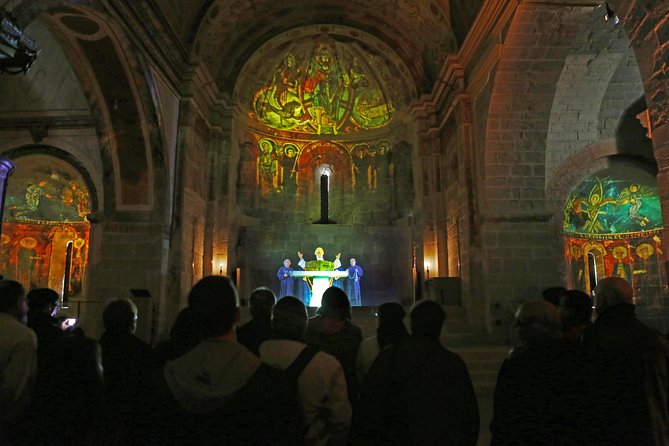
The cloister is likely to be the most atmospheric part of the visit. It is a central monastic space, and the route uses it to help explain how monks moved through and experienced the monastery.
The audio and images are especially helpful here. The cloister may look calm and empty today, but the presentation supplies the sounds and activity that are no longer visible. The aim is not to turn the site into a theatrical show. It is to help you read the space as part of everyday monastic life.
I like that the explanations activate automatically. You do not have to find a numbered sign, stop in a precise spot, or repeatedly check a handset. The system is designed to keep the visit moving, which is useful when you want to look up at the stonework and surrounding details.
A Spanish-language experience review described the automatic explanations as especially practical. That small point matters. Good technology should get out of your way, and here it appears to do just that.
The wine cellar adds a practical side
The wine cellar brings a more ordinary, working aspect of monastery life into view. Religious communities needed food, drink, storage, and systems for daily survival. This room helps move the story away from grand religious spaces and toward the practical work that kept the monastery going.
For me, this is one of the useful stops because it broadens the visit. You are not only learning about prayer, art, and architecture. You are also seeing part of the material life of the community.
The cellar is included in the admission, along with the church, cloister, and other route stops. Since the full visit lasts about an hour, you will not spend a large part of the day examining every room in detail. Think of the cellar as a concise stop in a carefully organized introduction.
Same corner of Catalonia, a completely different day:
- Barcelona: Park Güell Admission Ticket
★ 4.4 · 76,534 reviews - Barcelona: Casa Batlló Entry with Self-Audioguide Tour
★ 4.7 · 25,359 reviews - Barcelona: 24 or 48-Hour Hop-On Hop-Off Bus Tour
★ 4.4 · 20,872 reviews - Barcelona: Park Guell Guided Tour with Skip The Line Entry
★ 4.7 · 17,563 reviews
Former cells show the personal side
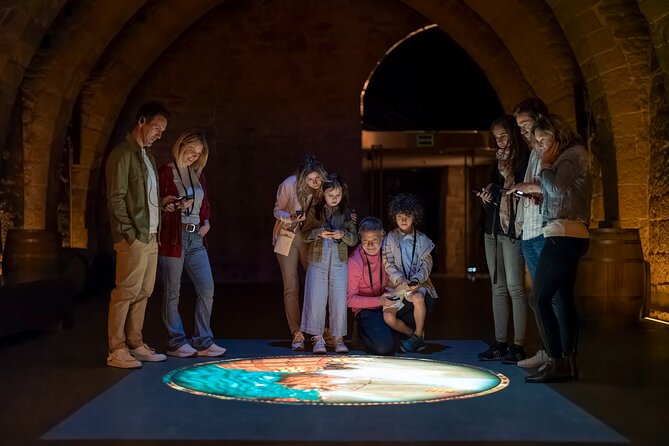
The route also takes you to the cells in the Montserrat gallery. These spaces shift the focus from shared rooms to the private side of monastic life.
A cell can make history feel more personal than a large church. It raises basic questions about how monks lived, worked, and spent their days. The audio and visual material help fill in those gaps without requiring you to imagine everything from bare walls.
One especially striking visual shows a monk working. It is a simple idea, but it gives the past a human scale. You are not left with the vague picture of monks as distant figures from a textbook. You see an activity that connects the old room with a person using it.
The video material is described as complete without becoming tiring. That is important in a short museum route. Too little explanation leaves you lost, while too much can make a one-hour visit feel heavy. Here, the format aims for a middle ground.
A sensory presentation, not just an audioguide
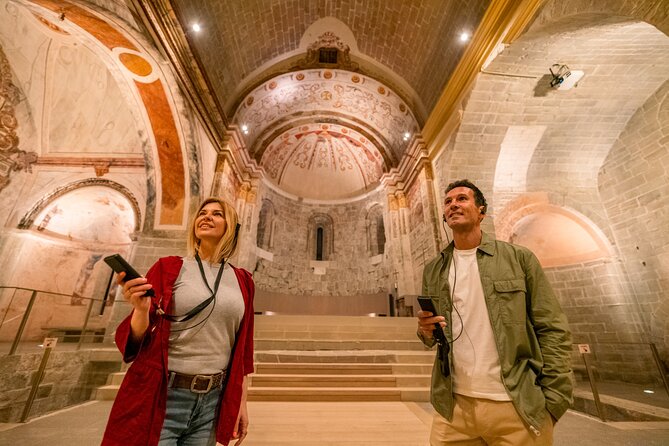
The included audioguide is the backbone of the experience, but the presentation goes beyond narration. Voices, everyday noises, video, and images appear along the route.
This is the strongest reason to choose this visit over simply viewing the monastery on your own. Historic buildings can be rewarding without added interpretation, but many visitors will miss the social story behind the stones. The sound and visual effects give you a clearer picture of what the monastery once felt like.
I would not approach it expecting a full-length guided tour with a specialist leading every stop. You will not have a person beside you explaining each detail. Instead, the site controls the timing and content through the self-guided system.
That format suits independent visitors, families who need some flexibility, and anyone who prefers a quiet cultural visit. It may be less satisfying if you want a long discussion about architecture, detailed academic history, or the chance to ask questions as you go.
The grounds and modern Món Sant Benet
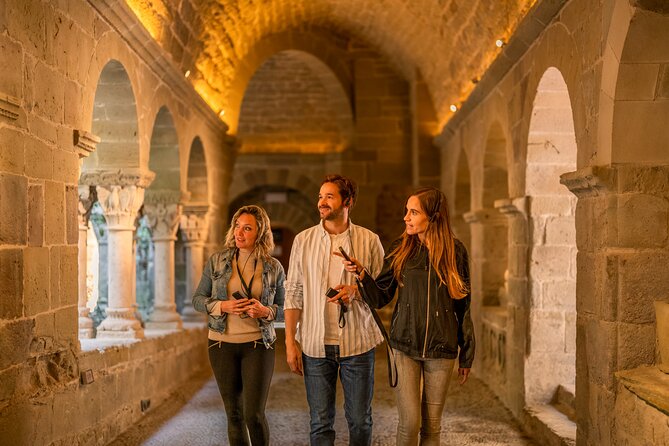
The monastery is part of a larger project rather than an isolated monument. Món Sant Benet includes natural grounds, a culinary research centre, restaurants, and shops.
The modern food focus is a notable addition. You can connect the older monastery with a present-day interest in cooking and food research, although the supplied experience details do not specify a separate culinary tour or guarantee access to every facility as part of the monastery ticket.
That distinction matters when planning. The medieval route includes admission to the monastery experience, but lunch, drinks, and other purchases are not included. You can use the wider complex to extend your visit, but budget separately for anything you eat or drink.
The grounds also give you a reason not to rush away after the one-hour route. The historic visit is compact, while the wider setting offers room for a slower walk and a look at the modern facilities. I would treat the monastery tour as the main cultural activity, with the rest of Món Sant Benet as optional time around it.
Is $18.51 a fair price?
At about $18.51 per person, this is a reasonable price for a focused heritage visit, especially because admission and the audioguide are included. The automatic audio, videos, and recreated sounds add more than a basic entry ticket would provide.
The value depends on how you use the visit. If you make the trip only for a quick look at one historic building and leave after 20 minutes, the price may feel less attractive. If you follow the full route, take time with the church, cloister, cellar, and cells, and then use the grounds or nearby facilities, it becomes a better use of your day.
The one-hour duration is both a strength and a limit. It fits neatly into a wider excursion and does not demand a full day. On the other hand, anyone hoping for a long, detailed monastery study will probably want more time and more depth than this format provides.
A maximum group size of 40 is listed. Since the route is self-guided, you are not dependent on a live guide keeping a large group together, though the site may still feel busier when many people enter at once.
Planning your visit from Barcelona
Transportation to and from the attraction is not included. You need to arrange that part yourself, so check the journey before committing to a tight schedule in Barcelona.
The location is just outside Barcelona, not in the city centre. That makes it a better choice for someone setting aside time for a trip beyond the main urban sights. It is less convenient as a spontaneous stop between central Barcelona attractions.
Your mobile ticket is confirmed when you book. Keep the booking information available on your phone, since the experience uses a mobile ticket rather than a printed document.
Most people can participate, according to the supplied practical information. No special restriction is identified, but the available details do not provide a full accessibility breakdown. If you need specific assistance, confirm the arrangements with Món Sant Benet before booking.
The booking pattern suggests people usually reserve about five days ahead. That is not a guarantee of availability, but it is a useful planning clue. If your schedule is fixed, booking several days in advance is sensible.
Free cancellation is available if you cancel at least 24 hours before the local start time. Changes or cancellations made within that final 24-hour period are not accepted for a refund.
Who will enjoy this monastery experience?
I would recommend it to you if you want a manageable introduction to Catalonian history with a strong sense of place. The audio and video make the visit accessible even if you are not already familiar with medieval monasteries.
It also suits families and mixed-age groups better than a long formal lecture might. The automatic explanations and short videos offer variety, while the one-hour length is easier to fit into a busy day.
Independent visitors should appreciate the lack of a live group guide. You can focus on the rooms and follow the presentation without trying to hear a guide over other people.
History specialists may find the visit too brief. The route is designed for atmosphere and general understanding rather than an exhaustive study of every artifact or architectural phase across the monastery’s 1,000-year history.
Food-focused visitors may also find the wider Món Sant Benet complex appealing, thanks to its culinary research centre, restaurants, and shops. Just remember that food and drinks are separate expenses, not part of the monastery admission.
My take: book it if you want history without a full-day commitment
Book the Sant Benet de Bages experience if you want an affordable, well-structured visit that turns an old monastery into a story about people, work, worship, and daily routine. The best features are the automatic audio, the effective videos, and the memorable image of a monk at work.
I would be cautious if you need included transportation, a live historian, or a much longer tour. Those are not part of the experience.
For most independent visitors already planning time outside Barcelona, this is a solid choice. Allow the full hour for the monastery, then decide if you want to linger in the grounds or explore Món Sant Benet’s modern food and leisure facilities.
FAQ
Where does the experience take place?
It takes place at Món Sant Benet, just outside Barcelona, Spain. The central visit is the medieval Sant Benet de Bages monastery.
How long does the monastery visit last?
The self-guided experience lasts about one hour.
What areas of the monastery can I see?
The route includes the church, cloister, wine cellar, and cells in the Montserrat gallery, along with other principal features of the monastery.
Is an audioguide included?
Yes. An audioguide is included with admission. The explanations activate automatically during the route.
Is transportation from Barcelona included?
No. Transportation to and from the attraction is not included.
Are food and drinks included?
No. Drinks and lunch are not included. Món Sant Benet has restaurants and shops, but you pay separately for anything you purchase.
How many people can join the activity?
The activity has a maximum group size of 40 people.
Can I cancel for a refund?
Yes. You can cancel for a full refund up to 24 hours before the experience start time. Cancellations or changes made less than 24 hours before the start time are not refunded or accepted.
Just added around Barcelona
- GoCar Full Day Tour★ 4.0 · 6 reviews
- Sagrada Familia and Barcelona Highlights: Private Guided 4-Hour Driving Tour★ 5.0 · 6 reviews
- Barcelona: Highlights & Gems Private Tour with Tapa & Drink★ 3.9 · 6 reviews
- Gothic Quarter and Born District: Photographic Workshop★ 5.0 · 6 reviews
- Gobbi Yacht Rental in Barcelona 9 Pax 2/4/8hs★ 5.0 · 6 reviews
- Barcelona: Gothic Quarter & La Sagrada Familia Private Tour★ 4.9 · 6 reviews
- Private Sailboat Ride at Sunset from Sitges★ 5.0 · 6 reviews
- Barcelona: Private Tour of Casa Batllo with Reserved Access★ 3.5 · 6 reviews
Self-Guided Tours, compared.
Casa Batllo Admission Ticket with Intelligent Audio Guide
Read our review →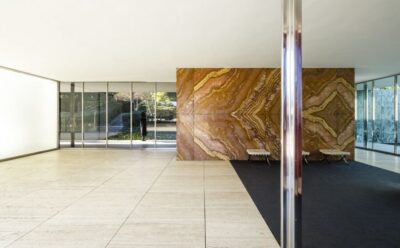
Mies van der Rohe Pavilion Ticket and Audio Guide
Read our review →
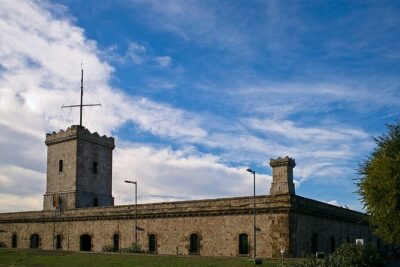
Montjuïc Cable Car Entry Voucher with Audio Tour on Your Phone
Read our review →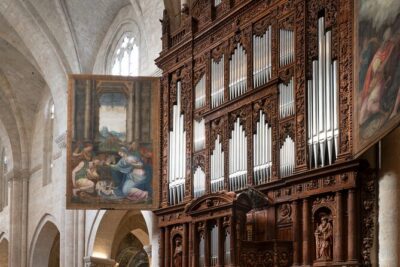
Tarragona Cathedral Entrance + Audio Guide (WebApp)
Read our review →
The Gothic Trail – Ghosts of Barcelona Exploration Game
Read our review →
Gaudi and La Sagrada Familia Exterior Self-Guided Audio Tour
Read our review →Browse the lists this tour appears in