
Reviewed · GAUDI TOURS
Private Barcelona Modernism and Gaudí Walking Tour
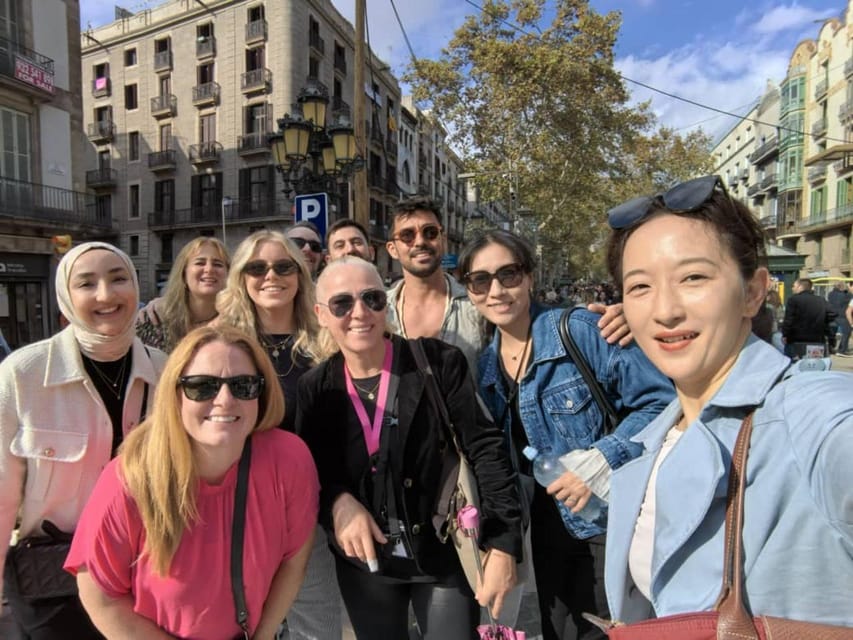
Barcelona’s Modernist architecture makes the city feel like an open-air art book, and this walking tour puts the best pages in one route. You’ll see Sagrada Familia, La Pedrera, Casa Batlló, and a long run of remarkable buildings along Passeig de Gràcia, while a guide explains what you are looking at.
I like the mix of famous sights and less familiar façades, including Casa Comalat and Palau del Baró de Quadres. I also like the personal feel: guides such as Stephanie, Isabel, Antonio, André, and Jordi have been praised for clear explanations, friendly conversation, and useful Barcelona tips. The main drawback is the amount of walking, and the buildings are spread across the Eixample, so comfortable shoes are essential.
In This Review
- Key points to know before you book
- Why this walk is a smart introduction to Modernist Barcelona
- Starting with Sagrada Familia and Gaudí’s boldest idea
- Reading the Eixample grid through Cerdà’s plan
- Passeig de Gràcia and the famous architectural trio
- La Pedrera, Gaudí’s last civil project
- Casa Calvet and the quieter side of Gaudí
- Casa Comalat and Palau del Baró de Quadres
- Casa de les Punxes and Palau Montaner
- The guide makes the difference
- Is $21 a fair price?
- Who should take this tour?
- Should you book the Barcelona Modernism and Gaudí walk?
- FAQ
- Where does the tour meet?
- How long does the tour last?
- Which languages are available?
- Is the tour private?
- Does the tour include entry to Sagrada Familia?
- Does the tour include entry to Casa Batlló or La Pedrera?
- What should I bring?
- Can children join the tour?
Key points to know before you book
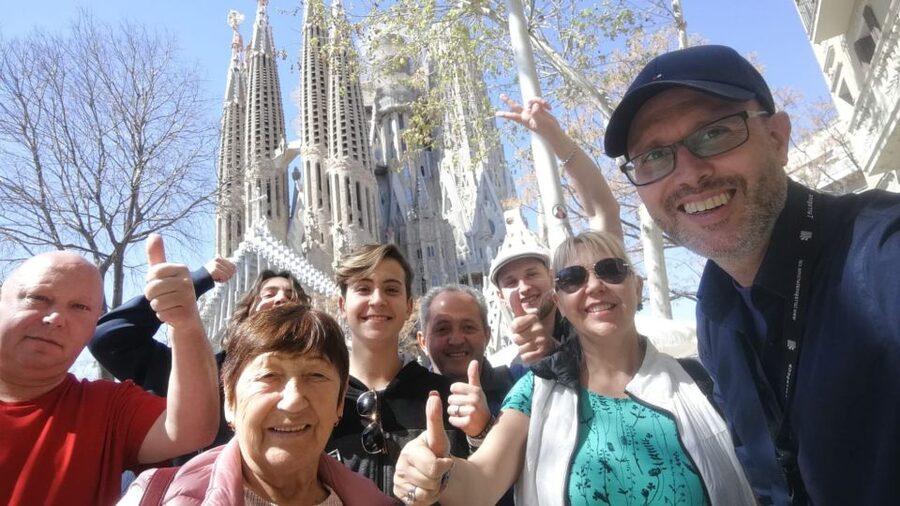
- The route connects Barcelona’s major Modernist landmarks, including Sagrada Familia, Casa Batlló, La Pedrera, Casa Amatller, and Casa de les Punxes.
- You learn about several architects, not just Antoni Gaudí, including Lluís Domènech i Montaner and Josep Puig i Cadafalch.
- The Eixample becomes part of the story, with an explanation of Ildefons Cerdà’s grid plan and his ideas about city life, light, air, and nature.
- The guide shapes the experience, with English and Spanish tours led by local professionals. Stephanie, Isabel, Antonio, André, Olga, Jordi, Miguel, Flora, and others have received strong praise for their warmth and subject knowledge.
- The tour is mainly an exterior architecture walk, and entry inside the buildings is not listed as included.
- At $21 per person, the tour offers good value if you want context and orientation before visiting Barcelona’s major interiors on your own.
Why this walk is a smart introduction to Modernist Barcelona
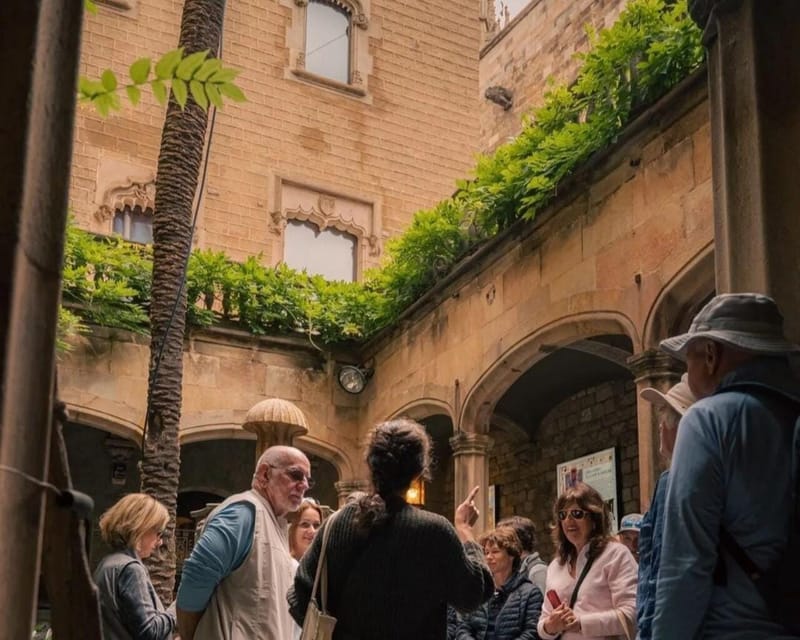
I recommend taking this tour early in a Barcelona stay. Gaudí’s buildings can look strange, playful, or even chaotic when you first see them. A guide gives you the ideas behind the curves, symbols, materials, and unusual details, so later visits make more sense.
The experience is centered on architecture, but it is also about how Barcelona changed. The Eixample was planned in the mid-19th century as the city grew beyond its medieval walls. Its broad streets and regular blocks created a new setting for grand homes, civic buildings, and ambitious architectural experiments.
That context matters. You are not simply walking from one photogenic façade to another. You are seeing how a growing city gave wealthy families, architects, and builders room to compete for attention. Each building reflects a different approach to Catalan Modernism, known locally as Modernisme.
The tour is advertised at three to three and a half hours. One past booking described a shorter two-hour experience, so I would confirm the exact duration and meeting point when you reserve. The meeting location can change depending on the option you choose.
More Gaudí days in Barcelona:
- Barcelona: Park Güell and Gaudí House Museum Entry Ticket
★ 4.5 · 6,326 reviews - Barcelona: La Pedrera Night Experience
★ 4.4 · 4,633 reviews - Barcelona: Gaudi’s Casa Vicens Skip-the-Line Entrance Ticket
★ 4.7 · 3,449 reviews
Starting with Sagrada Familia and Gaudí’s boldest idea
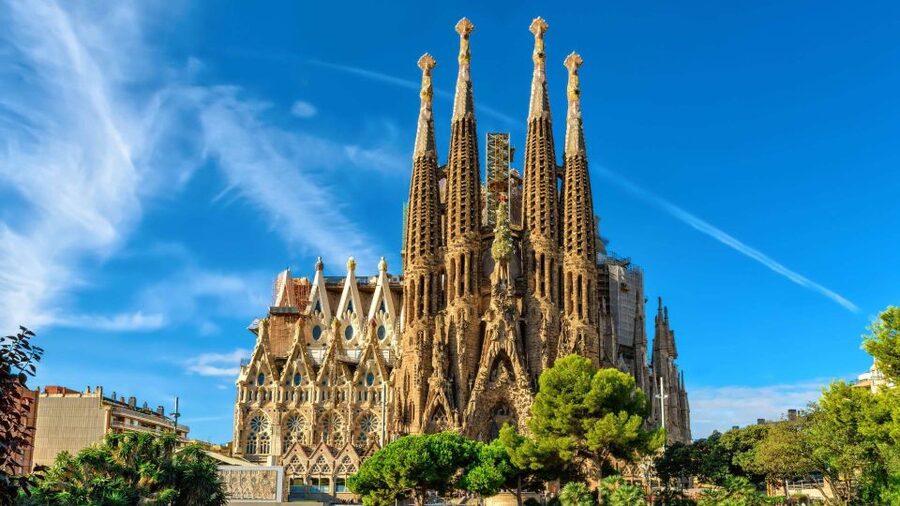
Sagrada Familia is the natural headline stop. This enormous basilica has been under construction for more than a century, and its scale makes it difficult to take in from a single viewpoint. A guide helps you read the façades rather than simply stare at the towers.
You’ll hear about Antoni Gaudí’s design approach and the ways he used structure, geometry, light, and religious symbolism. The building is also a lesson in unfinished architecture. Its story did not stop with Gaudí, and the continuing work has produced debate about how faithfully later artists should follow his plans.
The Passion façade is a key point of discussion. It was designed by Josep Subirachs, Gaudí’s successor, and its severe, angular style differs from the more organic quality associated with Gaudí. That contrast gives your guide an opening to explain one of the major questions surrounding Sagrada Familia: how do you complete a masterpiece when its original architect is gone?
This portion of the walk may be especially useful if you plan to visit the basilica’s interior. The tour does not list admission as included, so you should treat the stop as an exterior introduction unless your booking option says otherwise. One useful planning detail comes from a past tour: the route ended at Sagrada Familia, and the participant wished they had arranged an interior visit there afterward.
If you have not yet visited inside, check whether timed admission is available for the same day. The tour can help you decide if the interior deserves a separate visit, but it does not replace that visit.
Reading the Eixample grid through Cerdà’s plan
From Sagrada Familia, the route focuses on the Eixample, Barcelona’s famous expansion district. The straight streets and repeated blocks can seem simple at first, but the plan reflects a very different vision from the narrow lanes of the old city.
Ildefons Cerdà designed the district in the mid-19th century. The tour explains his aim for a healthier, more orderly city, with space for light, air, movement, architecture, and greenery. That makes the walk more than a parade of façades. You begin to see why these buildings were possible here.
The contrast with the medieval center is useful. In the old city, streets often feel compressed and irregular. In the Eixample, long avenues let buildings present themselves from several angles, and the corner blocks give architects extra space to make a visual statement.
This is also where a good guide earns the fee. Without context, you could easily spend the whole walk taking photos and missing the urban plan beneath your feet. Guides such as Jordi, Olga, Miguel, and Flora have been praised for explaining how Barcelona developed and for answering questions as the route went along.
Passeig de Gràcia and the famous architectural trio
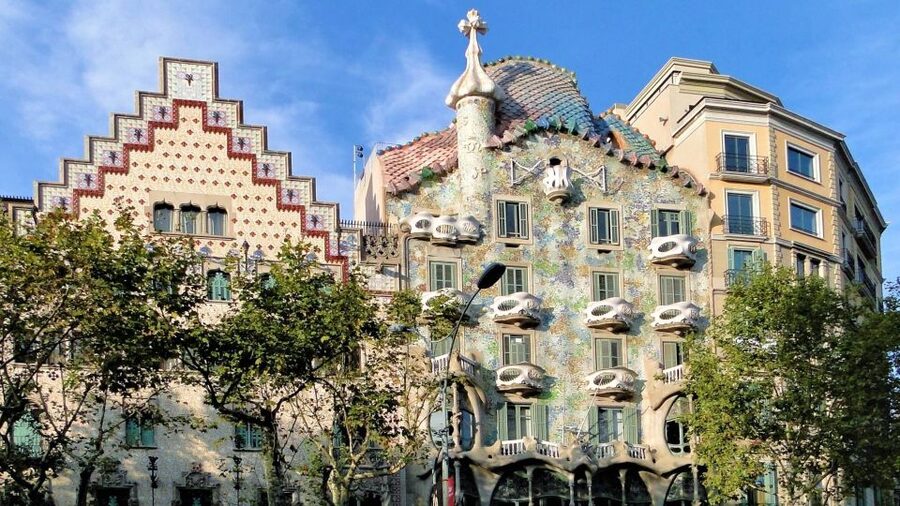
Passeig de Gràcia is Barcelona’s grandest architectural showcase, and the tour gives you a concentrated look at its best-known façades. The avenue is home to three especially famous Modernist buildings: Casa Batlló by Gaudí, Casa Amatller by Josep Puig i Cadafalch, and Casa Lleó Morera by Lluís Domènech i Montaner.
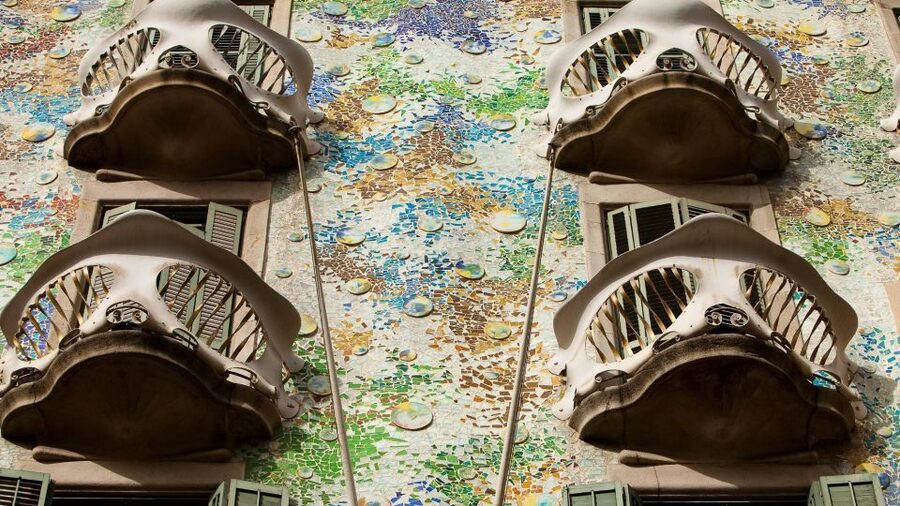
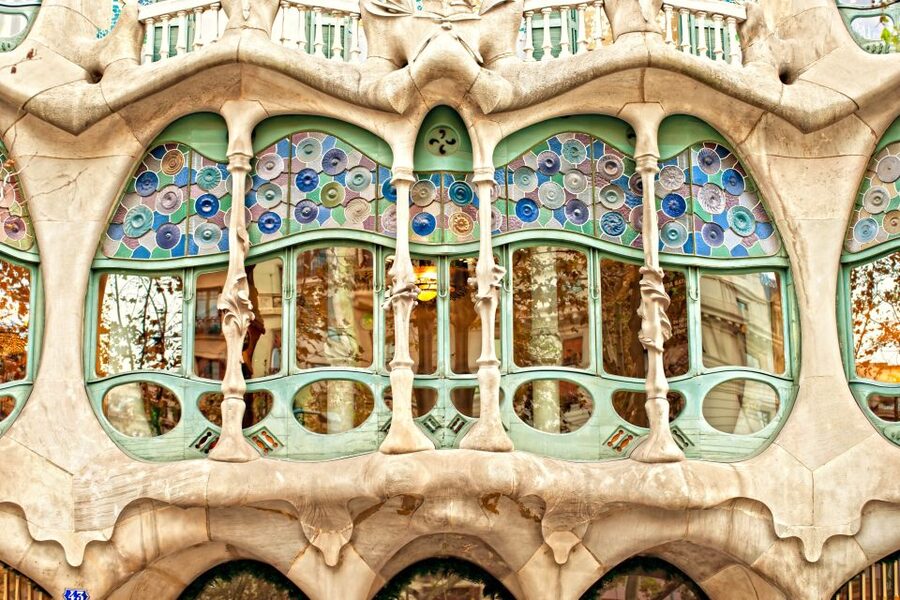
Together, they make an excellent lesson in different styles. Casa Batlló is fluid and theatrical, with a façade often compared to the sea. Its undulating forms and bright colors make it instantly recognizable, but the guide can point out details you might otherwise overlook.
Casa Amatller brings a different mood. Designed by Puig i Cadafalch, it reflects his own approach to Catalan Modernism and helps show that Barcelona’s architectural story does not belong to Gaudí alone.
Casa Lleó Morera, designed by Domènech i Montaner, completes the trio. Seeing the three buildings together makes comparison easy. You can look from one to the next and notice how each architect handled ornament, shape, windows, balconies, and the relationship between a private residence and a public street.
The façades are close enough to compare without rushing from one neighborhood to another. Still, you should expect to stop often, listen, and look upward. This is not a walk where you can keep a fast pace and catch every explanation.
More walking tours in Barcelona:
- Barcelona Tapas and Wine Experience Small-Group Walking Tour
★ 5.0 · 5,804 reviews - Barcelona: Tapas Walking Tour with Food, Wine, and History
★ 4.8 · 4,261 reviews - Barcelona Tapas Walking Tour: Food, Wine & History
★ 4.5 · 1,928 reviews - Barcelona: Tapas Food Crawl Walking Tour with Tastings
★ 4.9 · 1,798 reviews
La Pedrera, Gaudí’s last civil project
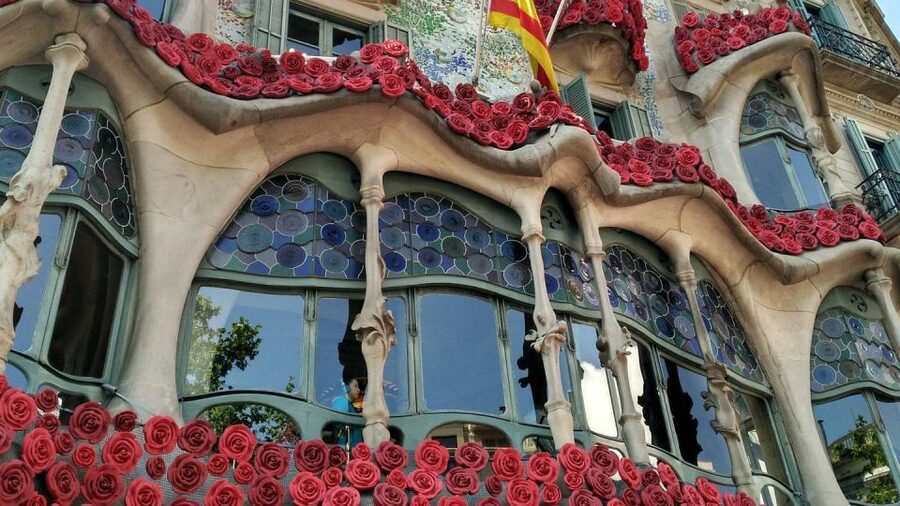
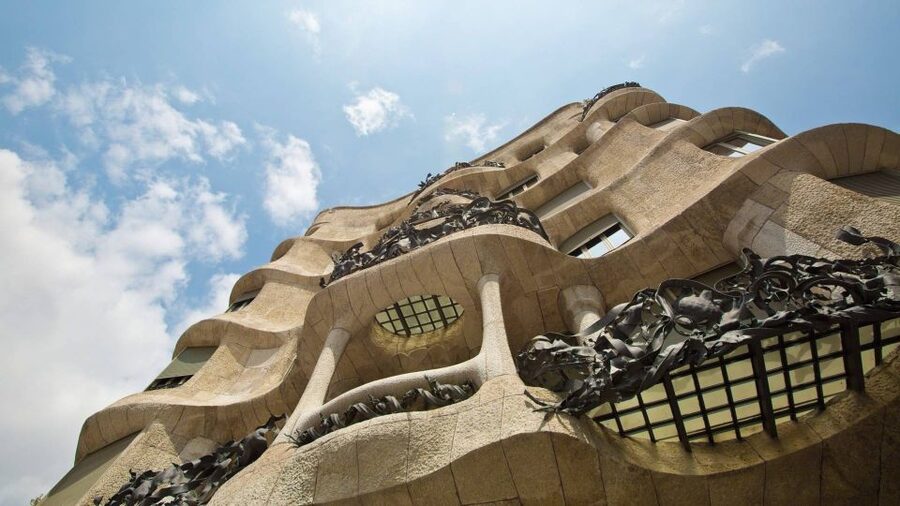
La Pedrera, also called Casa Milà, is one of the tour’s major stops and one of Gaudí’s most unusual residential buildings. Its rough stone façade and sweeping lines challenge the idea that an apartment block should be neat and restrained.
The building was Gaudí’s last civil project, which gives it an important place in his career. Your guide can connect its forms to the architect’s broader interest in natural shapes, structural invention, and buildings that seem to grow rather than sit rigidly on the street.
From the outside, La Pedrera can look almost unfinished. That is part of its appeal. The irregular stone surface, curved balconies, and sculptural details make it a useful contrast with the more colorful Casa Batlló.
You should not expect to explore the interior as part of the standard guided walk. The included features list a guided tour but does not include admission to the buildings. If you want to see La Pedrera from inside, plan that separately and leave enough time in your schedule.
Casa Calvet and the quieter side of Gaudí
Casa Calvet gives you a chance to see an earlier and more controlled side of Gaudí. Compared with Casa Batlló and La Pedrera, it is more refined and less visually wild.
That difference is valuable. A tour focused only on Gaudí’s most famous buildings can create the false impression that every project was a riot of curves and color. Casa Calvet shows another stage in his work and gives your guide a way to discuss how his style developed.
This is also one of the places where the walking format works well. You can compare the building with the larger landmarks while the details remain fresh in your mind. Look for the relationship between the façade, its decorative elements, and the surrounding street rather than judging it only by its fame.
Casa Comalat and Palau del Baró de Quadres
The route includes buildings that many first-time visitors may not have placed on their list. Casa Comalat is clearly influenced by Gaudí’s organic shapes, making it a useful example of how his ideas spread beyond his own commissions.
Palau del Baró de Quadres, designed by Josep Puig i Cadafalch, adds another layer to the walk. Its presence reinforces the central lesson of the tour: Catalan Modernism was a broad movement, not simply another name for Gaudí’s work.
These stops reward close looking. The biggest buildings naturally attract the crowd, but smaller or less familiar façades can reveal how architects experimented with ornament, curves, stonework, and decorative patterns across the district.
This is where the guide’s pace and communication matter most. A building you might pass without noticing becomes easier to remember when someone explains its architect, purpose, and connection to the surrounding streets.
Casa de les Punxes and Palau Montaner
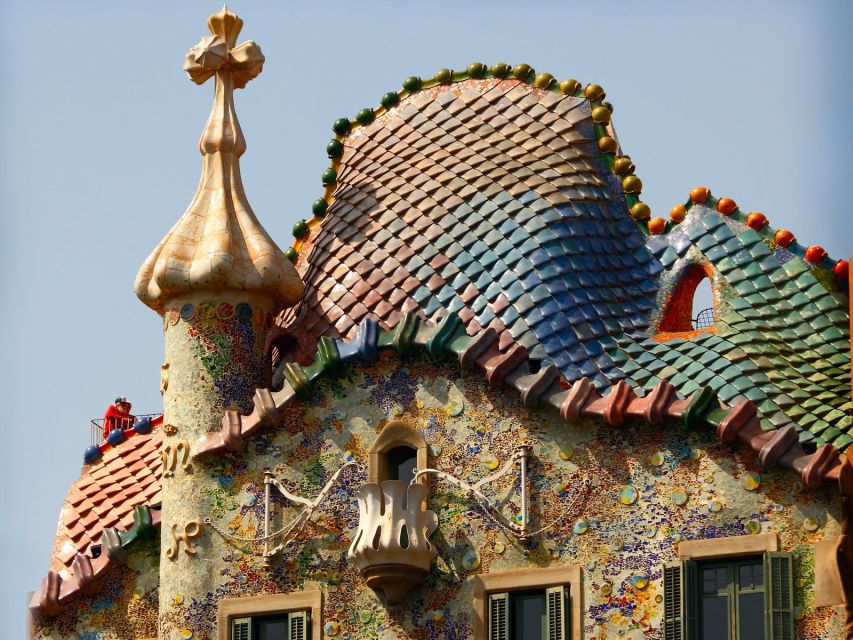
Casa Terradas, better known as Casa de les Punxes, is another distinctive stop. Its name refers to the pointed forms that give the building a castle-like appearance. It shows how Modernist architects drew from older Catalan and European styles while creating something new for a modern city.
Palau Montaner provides another example of the movement’s range. Both buildings help broaden the tour beyond the four headline sights and give you a stronger sense of how much Modernist work is spread through the Eixample.
You may find that the later part of the walk feels information-heavy. By this stage you have seen many names, façades, and architectural ideas. I suggest taking quick notes or marking buildings in a map if you want to find them again. The route moves through a district full of details, and it is easy to forget which building was which after the tour ends.
The guide makes the difference
The strongest part of this experience is the guide-led explanation. Architecture tours succeed when the guide turns visual details into a story, and the available guide feedback points to that personal connection.
Stephanie has been praised for combining art and architecture with a friendly, enthusiastic manner. Isabel is described as conversational and approachable, making the walk feel more like time with a well-informed local than a formal lecture.
Antonio, André, Roberto, Olga, Jordi, Miguel, and Flora have also led tours for this experience. The consistent themes are clear explanations, historical context, answers to questions, and practical advice for enjoying the rest of your time in Barcelona.
Guide quality can vary from one departure to another, so I would not book based on one particular name unless the reservation lets you choose. Still, the repeated praise for the guide’s personality is encouraging. The private-group option should make it easier to ask questions and adjust the focus, while the stated maximum of 12 participants keeps the group relatively small.
English and Spanish are the available tour languages. If you care about language choice or group format, check those details at booking rather than assuming every departure is private.
Is $21 a fair price?
At $21 per person, this is a strong value for a three to three and a half-hour guided walk. You are paying mainly for interpretation, route planning, and the chance to connect buildings that would otherwise require your own research.
The value is highest if you are new to Barcelona’s Modernist architecture. You get a useful map of the Eixample, learn the names of several architects, and see where the major buildings fit together.
The price does not include personal expenses or listed interior admissions. That is not unusual for a walking tour, but it matters if you expect to enter Sagrada Familia, La Pedrera, or Casa Batlló during the same outing. Budget separately for those visits and check the timing before you commit to tickets.
Gratuities are optional. You should also bring comfortable shoes and leave large bags or luggage behind, since those items are not allowed.
Who should take this tour?
I would choose this tour if you want a clear first look at Barcelona’s architecture without spending hours researching every building yourself. It suits couples, families with older children, and anyone who enjoys city walks with a strong cultural focus.
It is also a good fit for architecture fans who want more than the standard Gaudí circuit. Casa Comalat, Palau del Baró de Quadres, Casa Terradas, and Palau Montaner widen the picture.
Families with very young children should consider the walking time. Children up to two years old can join free, but the route still covers a lot of ground and includes frequent stops to listen and look upward.
I would be less likely to choose it if your main goal is entering the monuments. This is best understood as an exterior architecture and city-planning tour, with separate admission needed for interiors.
Should you book the Barcelona Modernism and Gaudí walk?
Book it if you want to understand Barcelona’s Modernist buildings rather than simply photograph them. The combination of Sagrada Familia, Passeig de Gràcia, La Pedrera, Casa Batlló, and lesser-known works gives you a broad introduction for only $21.
Take it near the beginning of your stay if possible. You’ll leave with a better sense of where to return, which interiors matter most to you, and how Gaudí fits into the wider work of Domènech i Montaner, Puig i Cadafalch, and other architects.
Skip it if you dislike several hours on foot or already know the Eixample well. For everyone else, especially first-time visitors, the small-group format, strong guide focus, and wide range of buildings make this a practical and worthwhile introduction.
FAQ
Where does the tour meet?
The meeting point can vary depending on the option you book. Check the specific meeting details for your selected departure.
How long does the tour last?
The advertised duration is three to three and a half hours. One past experience described a two-hour tour, so confirm the exact timing when booking.
Which languages are available?
The tour is offered in English and Spanish with a live local guide.
Is the tour private?
A private-group option is available. The stated maximum for the small-group tour is 12 participants.
Does the tour include entry to Sagrada Familia?
Admission to Sagrada Familia is not listed among the included features. The tour focuses on the architecture and guided sightseeing, so check your selected option if you want interior entry.
Does the tour include entry to Casa Batlló or La Pedrera?
Interior admission to Casa Batlló and La Pedrera is not listed as included. Personal expenses are also excluded.
What should I bring?
Bring comfortable shoes because the experience involves substantial walking. Luggage and large bags are not allowed.
Can children join the tour?
Children up to two years old can join free of charge. The tour is still a long walking experience, so consider your child’s ability to keep up with the route.
Just added around Barcelona
- GoCar Full Day Tour★ 4.0 · 6 reviews
- Sagrada Familia and Barcelona Highlights: Private Guided 4-Hour Driving Tour★ 5.0 · 6 reviews
- Gobbi Yacht Rental in Barcelona 9 Pax 2/4/8hs★ 5.0 · 6 reviews
- Barcelona: Highlights & Gems Private Tour with Tapa & Drink★ 3.9 · 6 reviews
- Gothic Quarter and Born District: Photographic Workshop★ 5.0 · 6 reviews
- Barcelona: Gothic Quarter & La Sagrada Familia Private Tour★ 4.9 · 6 reviews
- Private Sailboat Ride at Sunset from Sitges★ 5.0 · 6 reviews
- Barcelona: Private Tour of Casa Batllo with Reserved Access★ 3.5 · 6 reviews
Gaudi Tours, compared.
Park Güell and Gaudí House Museum Entry Ticket
Read our review →
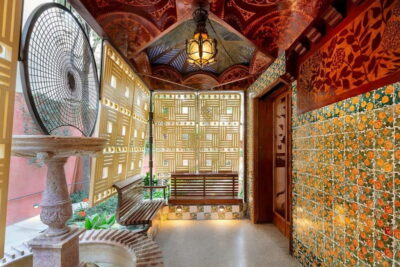
Gaudi’s Casa Vicens Skip-the-Line Entrance Ticket
Read our review →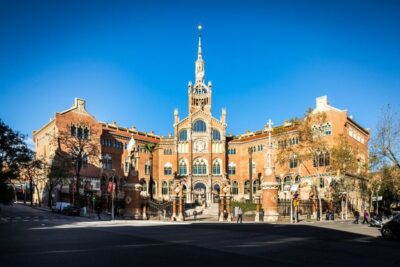

Sagrada Familia, Modernism, and Old Town Tour
Read our review →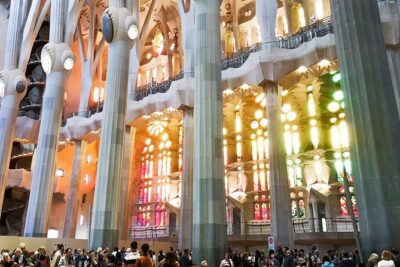
Sagrada Familia & Gaudi Tour Private or Small Group with Tickets
Read our review →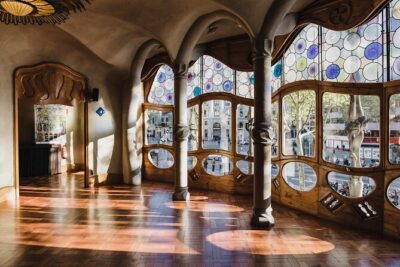
Complete Gaudi Tour: Casa Batllo, Park Guell & Sagrada Familia
Read our review →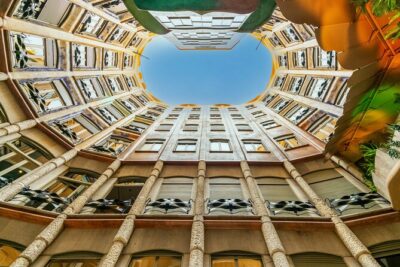
La Pedrera-Casa Mila Admission Ticket with Audioguide
Read our review →Browse the lists this tour appears in