
Reviewed · GAUDI TOURS
Sant Pau Art Nouveau Site Skip The Line | Sant Pau Hospital
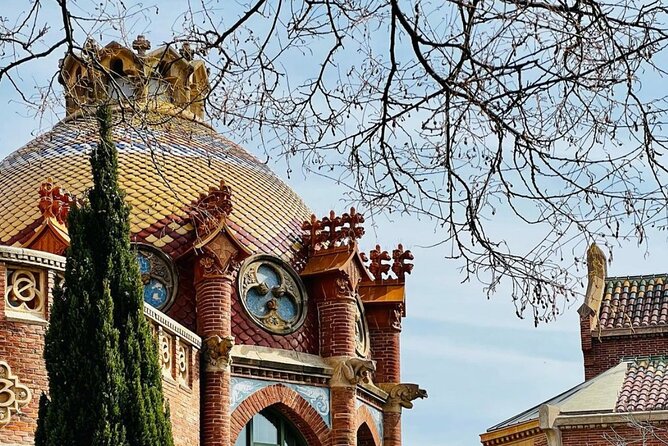
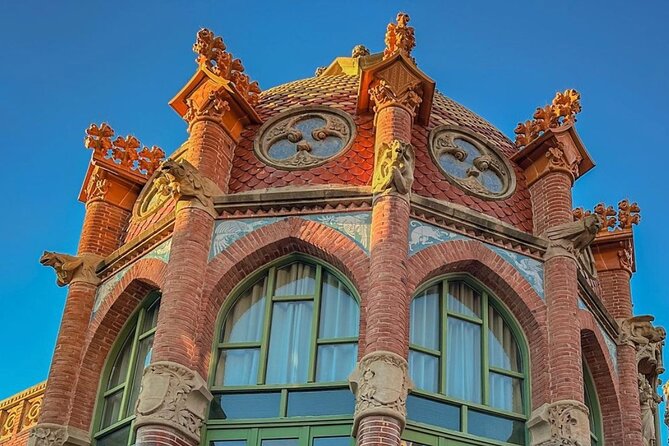
Sant Pau Hospital is one of Barcelona’s best surprises: a former medical complex where Art Nouveau architecture was designed to help patients heal. Instead of one grand building, you find a garden-filled group of colorful pavilions, tiled roofs, domes, mosaics, stained glass, and underground passages.
I like the freedom to explore without a fixed group, and I like the chance to see Barcelona’s modernist style beyond the better-known work of Gaudí. The skip-the-line entry also matters when you want to fit Sant Pau beside the Sagrada Família, only about a 10-minute walk away according to the supplied visitor information.
The main consideration is that this is an admission ticket, not a guided tour. You will need to make sense of the medical and architectural story on your own, and the non-refundable booking policy means you should choose your date carefully.
In This Review
- Key points to know before visiting Sant Pau
- Why Sant Pau Hospital deserves time beyond the Sagrada Família
- Entering a hospital designed around healing
- Sixteen pavilions and a feast of modernist detail
- The underground tunnels and the practical side of the site
- Gardens that explain the hospital’s purpose
- What skip-the-line entry is worth here
- How to fit Sant Pau into a Barcelona day
- Who will enjoy this independent visit
- Practical points that can affect your visit
- Should you book Sant Pau Hospital?
- FAQ
- Where is Sant Pau Hospital located?
- What does the ticket include?
- Is a guided tour included?
- How long does the visit take?
- How many pavilions can I see?
- Are the underground tunnels part of the visit?
- Does the site have gardens?
- Can most people participate?
- Can I cancel or change my booking?
Key points to know before visiting Sant Pau
- Sixteen pavilions create a full modernist town: You do not simply enter one monument. You walk through a planned hospital complex with separate buildings, gardens, paths, and visual details.
- The architecture had a medical purpose: Light, open air, gardens, and calm surroundings were intended to support patients’ recovery.
- The site reaches back to 1401: The Art Nouveau buildings are early twentieth-century, but the hospital institution has much older roots.
- Underground tunnels connect the visit: These practical passageways add another layer to the grand above-ground design.
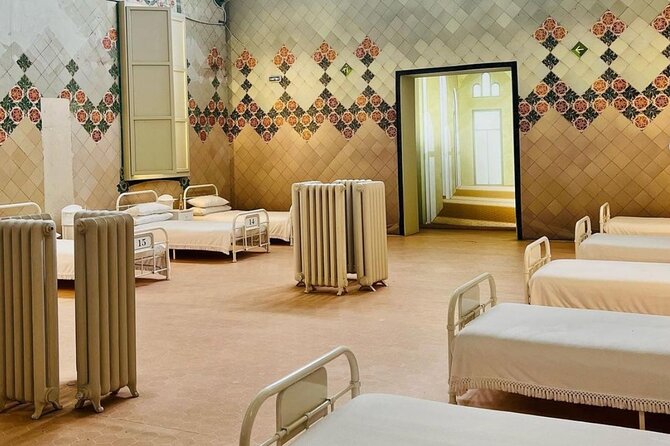
- A restored ward shows the hospital’s working side: The visit is not only about pretty façades. You may see how a former ward and solarium were arranged.
- There is no guide included: Plan on an independent visit lasting roughly 1 to 2 hours.
Why Sant Pau Hospital deserves time beyond the Sagrada Família
Barcelona’s modernist architecture is often reduced to Gaudí, but Sant Pau shows how widely the style was used for public life. Architect Lluis Domenech i Montaner designed the Art Nouveau complex, built between 1901 and 1930. This was not a private house or a church. It was a municipal hospital intended to serve ordinary people.
That purpose changes the way I look at the decoration. The domes, tiled turrets, mosaics, stained glass, and carved details were not added simply to show off. The plan aimed to give patients space, daylight, fresh air, and a sense of peace. The gardens were part of the treatment setting, not an afterthought.
The hospital remained in use until 2009. Today, the restored site gives you a chance to see both sides of the project: the joyful architectural vision and the practical institution that operated inside it. The complex became a UNESCO World Heritage Site in 1997, another sign that Sant Pau belongs on Barcelona’s serious sightseeing list.
The location helps. Sant Pau sits on Avinguda Gaudí, the straight route linking it with the Sagrada Família. If you are already visiting the basilica, you can pair the two without spending time crossing the city. The contrast is useful: the Sagrada Família is a single monumental work, while Sant Pau is a whole urban plan built around care and recovery.
More Gaudí days in Barcelona:
- Barcelona: Park Güell and Gaudí House Museum Entry Ticket
★ 4.5 · 6,326 reviews - Barcelona: La Pedrera Night Experience
★ 4.4 · 4,633 reviews - Barcelona: Gaudi’s Casa Vicens Skip-the-Line Entrance Ticket
★ 4.7 · 3,449 reviews
Entering a hospital designed around healing
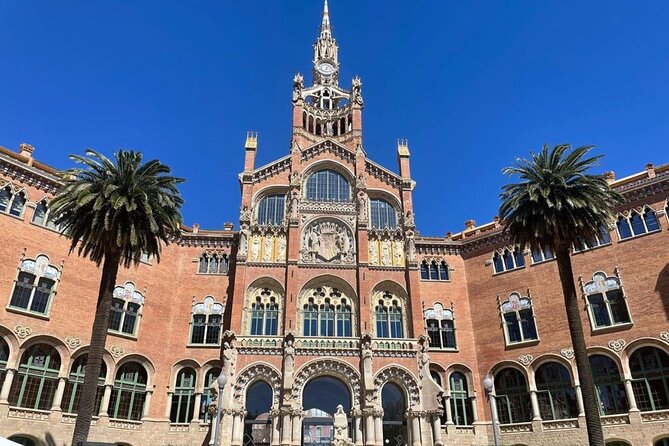
The first thing to understand is the scale. Sant Pau is not a quick doorway-and-main-room attraction. The property includes 16 pavilions, connected by paths and underground tunnels, with gardens placed between the buildings.
That layout gives the site a surprisingly calm rhythm. You move from a richly decorated façade into an open garden, then toward another pavilion with its own roofline, windows, or tilework. The buildings feel related, but they are not identical. Take your time looking up, since the strongest details are often on the upper façades and roof structures.
The original designers wanted patients to have sunlight and air. That explains the separation between pavilions and the open spaces between them. It also explains why the gardens are so important to the experience. You can pause there and see the complex as a healing environment rather than only an architectural display.
I recommend starting slowly instead of rushing to photograph every building. Spend a few minutes getting the overall plan in your head. Sant Pau makes more sense when you see how the pavilions, paths, gardens, and tunnels work together.
Sixteen pavilions and a feast of modernist detail
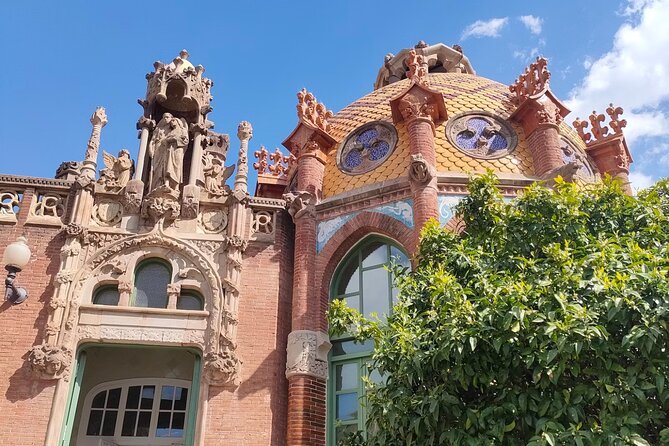
The pavilions are the main reason to visit. Their surfaces are packed with the kind of detail that rewards close inspection: patterned ceramic work, colorful roofs, decorative stone, stained glass, and sculptural touches. The overall effect is bright and surprisingly cheerful for a hospital.
The supplied visit information describes the complex as a place to see a strong sense of joy in the architecture. That is exactly the useful point to carry with you. The decoration does not feel severe or institutional. Even when the buildings are formal, their colors and organic forms soften the mood.
You can expect to spend much of your time outside, moving between restored structures. The route is not presented as a guided narrative, so you may want to read any available signs carefully and keep the site’s purpose in mind. Ask yourself what a patient would have seen from a ward, where someone might sit in the garden, and how the open plan would have felt compared with a cramped hospital corridor.
Inside, look for the stained glass and other decorative elements. They provide a different experience from the large façades. Exterior architecture gives you the grand view, while the interior details reward a slower, closer look.
One former ward recreates an older hospital setting, including a solarium visiting room. This is especially helpful if you want more than a photo stop. It gives the medical complex a human scale and helps explain how the buildings functioned.
The underground tunnels and the practical side of the site
The underground tunnels are an important part of the visit because they show the less decorative side of Sant Pau. Above ground, you see a carefully planned collection of pavilions and gardens. Below ground, the complex reveals the practical connections needed to operate a large hospital.
The tunnels also make the site feel larger. You are not just walking among isolated monuments. There is an underlying system linking the property together. Their inclusion makes the visit more varied, especially if you have already spent time admiring façades and gardens.
The supplied information does not give a precise tunnel route or say how much of the underground area is open on every visit. For that reason, I would treat the tunnels as an important feature to look for rather than assume you will see every passage. The same applies to the interiors of the pavilions: the amount open to the public can shape how long you spend inside.
A few more Barcelona options worth an hour of your trip
- Barcelona: Park Guell Guided Tour with Skip The Line Entry
★ 4.7 · 17,563 reviews - Barcelona: Sagrada Familia Skip-the-Line Entry Ticket & Tour
★ 4.8 · 12,789 reviews - Park Guell Guided Tour with Skip the Line Ticket
★ 4.5 · 6,996 reviews - Park Guell and Sagrada Familia Tour with Skip the Line Tickets
★ 5.0 · 6,384 reviews
Gardens that explain the hospital’s purpose
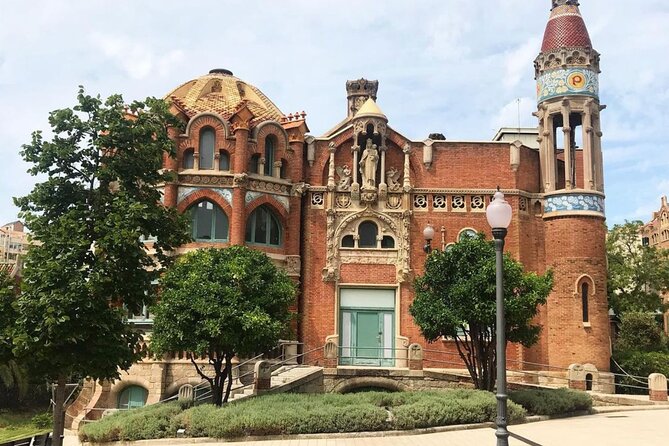
The gardens may be the most meaningful part of Sant Pau. They were intended to give patients a peaceful place to rest, and they still provide the visual pause that makes the complex easy to appreciate.
I like to stop here after looking at the buildings. From the garden, you can see the architecture in context instead of examining one façade at a time. The open space also helps you understand why the hospital was arranged as a series of pavilions rather than a single block.
This is a good place to slow your pace. Sant Pau is full of surfaces that invite photographs, but the gardens ask you to put the camera down for a moment. You can sit, look toward the domes and tiled roofs, and consider the idea behind the design: recovery supported by light, air, beauty, and quiet.
The gardens are also useful if you are visiting with someone who does not want a nonstop architecture lesson. The site has enough peaceful outdoor space to make the visit feel less demanding than a dense museum.
What skip-the-line entry is worth here
The listed price is $26.41 per person. That is not the cheapest independent sightseeing ticket in Barcelona, so value depends on how much time and interest you bring to the visit.
For an architecture fan, the price buys access to a large UNESCO-listed complex rather than a single viewpoint. You can explore the pavilions, gardens, decorative interiors, recreated ward, and underground areas over roughly 1 to 2 hours. That makes the cost easier to justify than it would be for a short photo stop.
The skip-the-line feature adds convenience, especially if you are building a busy day around the Sagrada Família. Time saved at the entrance can matter more than it sounds in Barcelona, where several major sights compete for your morning and afternoon.
Still, do not confuse skip-the-line access with a private tour. The admission covers the venue only. There is no guide included, no named guide to expect, and no promise of a narrated group experience. If you want architectural context explained as you go, you will need to arrange a guided option separately or read the information provided on site.
The attraction has a 4.7 rating from 21 reviews, with 90 percent recommending it. That supports the idea that Sant Pau delivers what it promises, particularly for people interested in architecture, design, and Barcelona’s civic past. The strongest praise centers on its beauty, the lack of heavy crowds, and the freedom to walk around without constant photo interruptions.
How to fit Sant Pau into a Barcelona day
The obvious pairing is Sant Pau and the Sagrada Família. Avinguda Gaudí connects the two, and the walk is described as about 10 minutes. You could visit the basilica first, then use Sant Pau as a quieter second stop, or reverse the order if you want to begin with a more open site.
I prefer giving Sant Pau enough breathing room rather than squeezing it into a rushed gap. Allow 1 to 2 hours, then add time for the walk and transport between other sights. The complex is near public transportation, so it is practical to reach even if you are not staying nearby.
The site can also work as a break from Barcelona’s busiest central attractions. The gardens and lower visitor numbers described in the supplied information make it a sensible choice when you want something substantial but less hectic.
Because the ticket is for one venue and there is no guided schedule, you have more control over your pace. You can focus on rooflines and ceramics, spend extra time in the gardens, or give more attention to the old ward and tunnels.
Who will enjoy this independent visit
I would choose Sant Pau if you enjoy architecture, photography, design, hospitals with a strong social purpose, or Barcelona’s modernist period. It is also a good fit if you have already seen Gaudí and want to understand that the city’s Art Nouveau movement reached well beyond his work.
The site works well for someone who prefers wandering to following a guide with a fixed timetable. You can stop often, frame photographs without a large group around you, and return your attention to details that interest you.
Families and mixed-interest groups may also find the layout helpful. One person can focus on architecture, another on the medical story, and another on the gardens. The official information says most people can participate, and the site is near public transportation.
I would hesitate if you want a fully explained tour with a specialist leading the way. The admission does not include a guide, and the supplied information does not identify one. You will get more from Sant Pau if you are willing to read, observe, and connect the buildings to their medical purpose yourself.
Practical points that can affect your visit
Confirmation is expected within 48 hours of booking, subject to availability. Do not leave the purchase until the last moment if you need a fixed date for a tightly planned Barcelona itinerary.
The ticket is non-refundable and cannot be changed for any reason. That is a real drawback. Only book once you are confident about your schedule, since cancellation or an amendment request will not return the amount paid.
I would also clarify the reentry rule at the entrance. One supplied account describes being told that reentry was allowed, then being charged for a new admission on returning. That may have been a misunderstanding or a policy issue, but the practical lesson is simple: do not leave the complex expecting to come back unless staff clearly confirm the arrangement for your ticket.
Wear something suitable for walking around a large property, and keep your plan flexible enough for pauses. The official duration is approximately 1 to 2 hours, but the number of pavilions and the detail on the façades can easily tempt you to stay longer.
Should you book Sant Pau Hospital?
Book it if you want a major piece of Barcelona modernism without the pressure of a crowded headline attraction. The pavilions, gardens, stained glass, mosaics, tunnels, and old ward make this a fuller visit than its hospital name might suggest.
The ticket offers solid value for architecture lovers who will use the full 1 to 2 hours. It is less compelling if you only want a quick exterior photograph or expect a guide to explain the site for you.
My practical choice would be to pair Sant Pau with the Sagrada Família, leave enough time to explore the gardens and tunnels, and treat the visit as an independent architectural walk. Book only when your date is firm, then let the complex’s unusual mix of beauty and medical purpose do the teaching.
FAQ
Where is Sant Pau Hospital located?
Sant Pau Hospital is in Barcelona, Spain, on Avinguda Gaudí. It is about a 10-minute walk from the Sagrada Família and is near public transportation.
What does the ticket include?
The ticket includes admission to the Sant Pau Art Nouveau site.
Is a guided tour included?
No. A guided tour is not included. This experience provides admission so you can explore the venue independently.
How long does the visit take?
The estimated duration is approximately 1 to 2 hours.
How many pavilions can I see?
The visit information describes 16 pavilions across the property.
Are the underground tunnels part of the visit?
The experience highlights access to Sant Pau’s underground tunnels. The supplied information does not specify the full route or how much of the tunnel system is open at any particular time.
Does the site have gardens?
Yes. The complex includes gardens intended to provide patients with a calm place to rest and recover.
Can most people participate?
The additional information says most people can participate. No further accessibility details are provided.
Can I cancel or change my booking?
No. The experience is non-refundable and cannot be changed for any reason. If you cancel or request an amendment, the amount paid will not be refunded.
Just added around Barcelona
- GoCar Full Day Tour★ 4.0 · 6 reviews
- Sagrada Familia and Barcelona Highlights: Private Guided 4-Hour Driving Tour★ 5.0 · 6 reviews
- Barcelona: Highlights & Gems Private Tour with Tapa & Drink★ 3.9 · 6 reviews
- Gothic Quarter and Born District: Photographic Workshop★ 5.0 · 6 reviews
- Gobbi Yacht Rental in Barcelona 9 Pax 2/4/8hs★ 5.0 · 6 reviews
- Private Sailboat Ride at Sunset from Sitges★ 5.0 · 6 reviews
- Barcelona: Gothic Quarter & La Sagrada Familia Private Tour★ 4.9 · 6 reviews
- Barcelona: Private Tour of Casa Batllo with Reserved Access★ 3.5 · 6 reviews
Gaudi Tours, compared.
Park Güell and Gaudí House Museum Entry Ticket
Read our review →
Gaudi’s Casa Vicens Skip-the-Line Entrance Ticket
Read our review →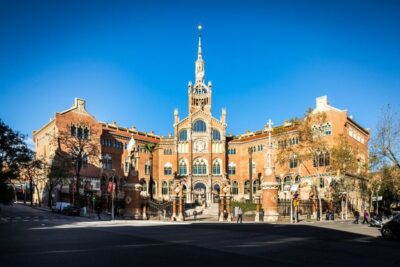

Sagrada Familia, Modernism, and Old Town Tour
Read our review →
Sagrada Familia & Gaudi Tour Private or Small Group with Tickets
Read our review →
Complete Gaudi Tour: Casa Batllo, Park Guell & Sagrada Familia
Read our review →
La Pedrera-Casa Mila Admission Ticket with Audioguide
Read our review →Browse the lists this tour appears in