
Reviewed · DALI MUSEUM DAY TRIPS
Toy Museum: Anna Maria and Salvador Dalí and García Lorca’s toys.
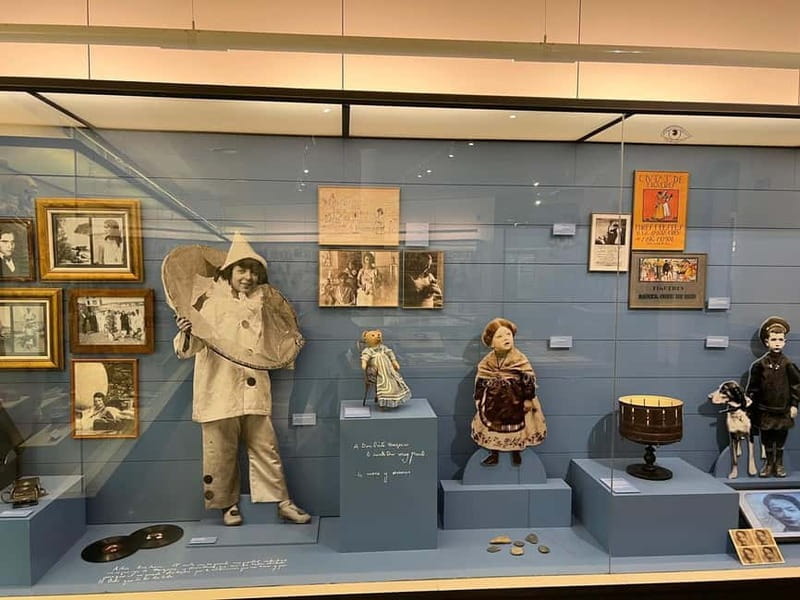
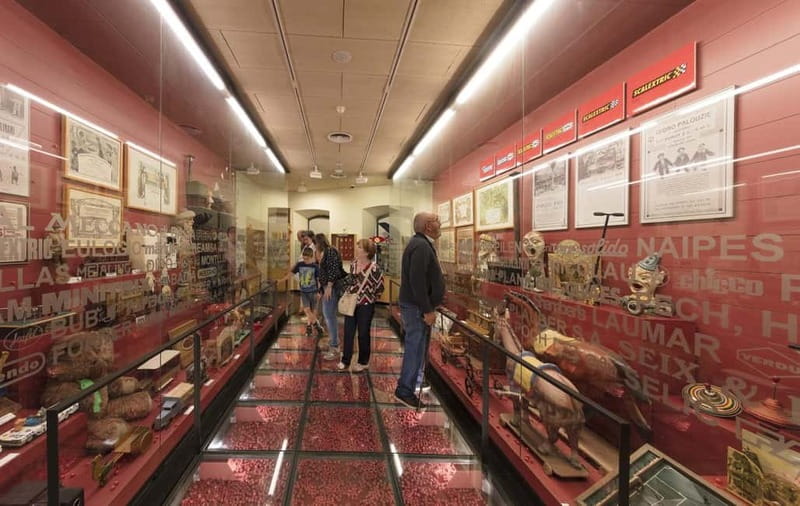
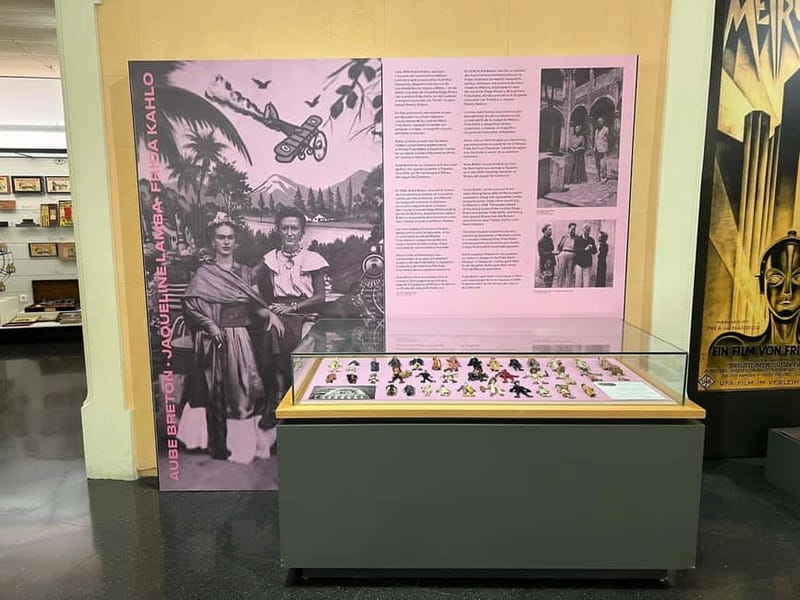
The most surprising thing here is how closely toys connect to major artists. You can see toys belonging to Anna Maria and Salvador Dalí, objects that fascinated Federico García Lorca, alongside Mexican puppets once bought by Frida Kahlo, Jacqueline Lamba, and André Breton. This is not just a children’s display. It is a look at how play shaped creative minds.
I like the museum’s wide range, from five-continent toy collections to robots, video games, dollhouses, and a working model railroad. I also like the practical format: your $10 admission includes an audio guide in Spanish, English, French, or Catalan, so you can explore at your own pace.
The main consideration is that this is a museum visit rather than a guided tour with a live expert. Starting times depend on availability, and large bags, food, drinks, selfie sticks, tripods, and other items are not allowed inside.
In This Review
- Key points to know before you go
- Why this toy museum is more than a children’s stop
- Starting at the museum entrance
- The Dalí, Anna Maria, and García Lorca connection
- Mexican puppets tied to Frida Kahlo and the surrealists
- Toys and games from five continents
- The working model railroad
- Dollhouses, robots, and video games
- How the audio guide shapes the visit
- Who will get the most from the $10 price
- Practical rules and accessibility
- Should you book the Toy Museum?
- FAQ
- Where is the Toy Museum located?
- How much does admission cost?
- How long is the ticket valid?
- Which languages are available for the audio guide?
- Is the museum wheelchair accessible?
- What items are not allowed inside?
Key points to know before you go
- Dalí and Lorca’s toy world: See toys associated with Anna Maria and Salvador Dalí, which fascinated Federico García Lorca.
- Puppets linked to famous artists: View Mexican puppets acquired by Frida Kahlo, Jacqueline Lamba, and André Breton.
- Five continents under one roof: The collection reaches well beyond Spain, with games and toys from around the world.
- A working model railroad: The spectacular train display gives the museum a moving centerpiece.
- Something for adults and children: The collection can trigger childhood memories while also offering art and cultural context.
- Audio guide included: Choose Spanish, English, French, or Catalan for your self-guided visit.
Why this toy museum is more than a children’s stop
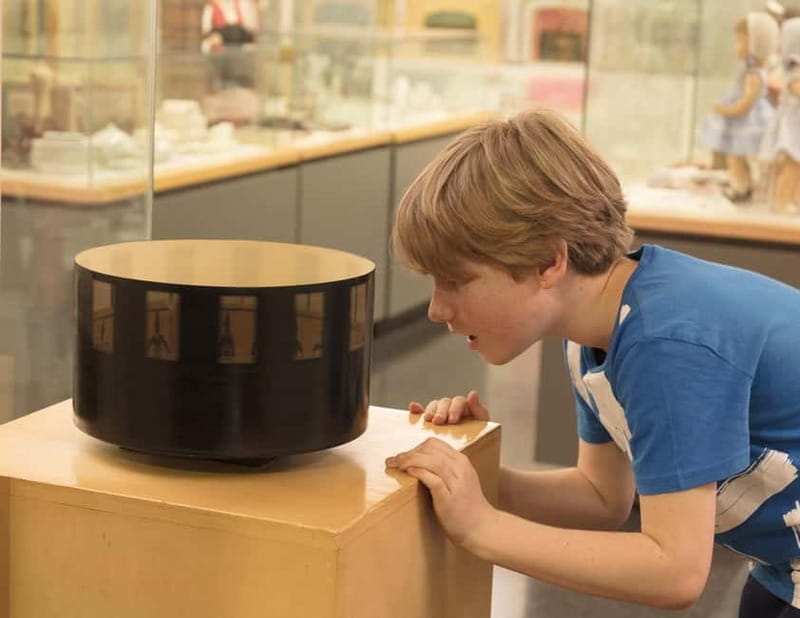
A toy museum can sound like a quick family outing. This one has a wider aim. It presents toys as personal objects, artistic tools, cultural artifacts, and windows into childhood.
The Dalí material gives the visit its strongest connection to Catalan culture. You are not only looking at old playthings. You are seeing objects tied to Anna Maria and Salvador Dalí, two figures whose childhood world also caught the attention of Federico García Lorca. That connection gives the first part of the museum more weight than a standard collection of antique toys.
I find that idea especially useful if you are visiting Catalonia with older children or adults who might not choose a toy museum on their own. The displays link play with imagination, art, and memory. You can enjoy the objects for their design, then consider why particular toys stayed important to the people who owned them.
The museum is also described as the third most important toy museum in the world. Treat that as a broad reputation rather than a formal ranking you need to verify, but it signals the scale and ambition of the collection. The range is the real point: toys and games from all five continents are gathered here.
More Dalí museum runs:
- From Barcelona: Girona, Figueres, Dalí Museum, and Cadaqués
★ 4.7 · 1,928 reviews - Figueres: Dalí Theatre-Museum Entry Ticket
★ 4.7 · 802 reviews - From Barcelona: Girona Guided Tour & Dalí Museum in Figueres
★ 4.5 · 339 reviews
Starting at the museum entrance
Your visit begins and ends at the museum entrance. There is no separate meeting point, transfer, or outdoor route to manage, which keeps the logistics simple.
The ticket is priced at $10 per person. For that amount, you receive entry plus the audio guide, and your admission is valid for one day. The exact starting times depend on availability, so check the schedule before you settle on a visit time.
I see this as a good-value stop if you want an indoor cultural activity that does not require half a day. You can set your own pace, spend extra time with the collections that interest you, and avoid paying separately for commentary. The value is strongest for families, art-minded visitors, and anyone who enjoys museums that invite personal memories rather than demanding a strict chronological route.
The audio guide is available in Spanish, English, French, and Catalan. That matters because the displays connect objects with people and places. You will get more from the visit if you can follow those links in a language that feels comfortable.
The Dalí, Anna Maria, and García Lorca connection
The museum’s most distinctive material is the group of toys associated with Anna Maria and Salvador Dalí. These objects fascinated Federico García Lorca, which gives them an unusual literary and artistic connection.
I would pay close attention here instead of rushing toward the larger displays. The appeal is not just the appearance of the toys. It is the idea that ordinary childhood objects can become part of an artist’s inner world, then remain important enough to preserve and display.
This section should appeal to you if you are already interested in Dalí or García Lorca, but you do not need a specialist background to enjoy it. The audio guide can help explain why the objects matter, while the toys themselves offer a direct, approachable way into the subject.
For adults, this may be the most rewarding part of the museum. It gives the collection a personal story. For children, the display still works on a simple level: these are toys connected to famous people, and that can make art feel less distant.
Mexican puppets tied to Frida Kahlo and the surrealists
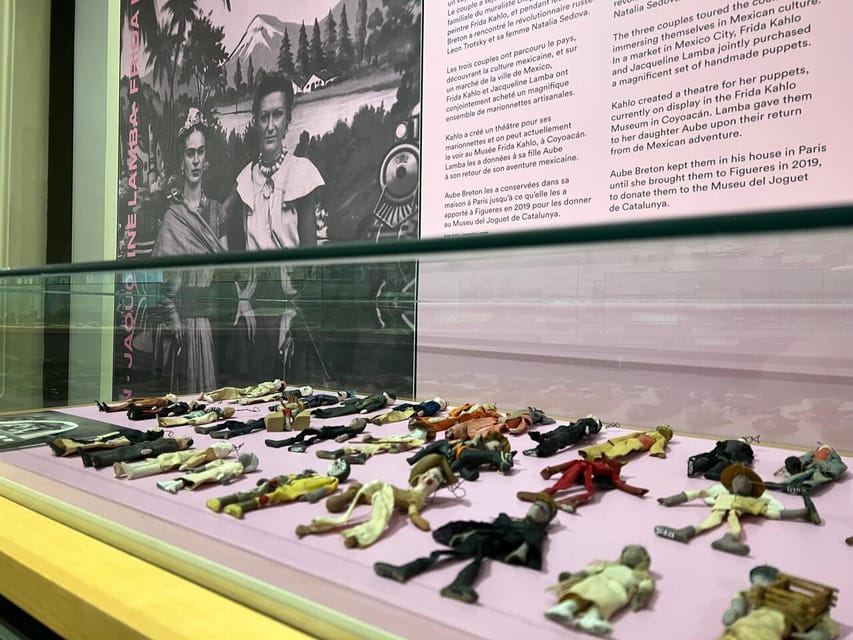
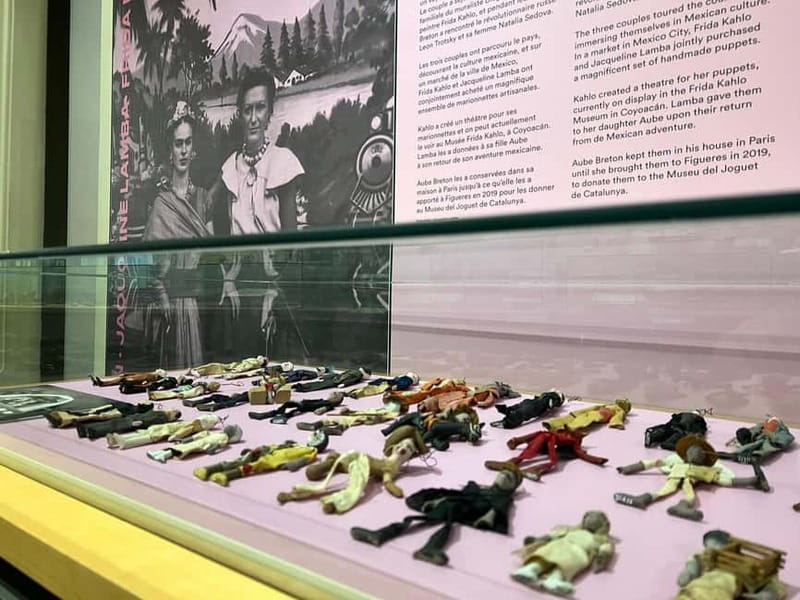
Another highlight is the collection of Mexican puppets acquired by Frida Kahlo, Jacqueline Lamba, and André Breton. The names alone create a strong artistic link, but the puppets also broaden the museum’s focus beyond European childhood.
This section is valuable because puppets sit between toys, theater, folk art, and storytelling. They are made to be handled and brought to life, yet they can also carry strong visual and cultural meaning. You can look at them as play objects, but also as objects chosen by artists with a serious interest in imagination.
I like the contrast between this collection and the Dalí material. The Dalí and García Lorca connection feels personal and biographical. The Mexican puppets open the door to a wider question: how do different cultures turn stories, characters, and movement into play?
Do not expect a full history of Frida Kahlo, Jacqueline Lamba, or André Breton. The attraction here is the objects and their ownership history, not a separate biography of each person. If you want a focused artist museum, this is not that. If you want to see unusual objects linked to major creative figures, it is a strong part of the visit.
More Figueres trips:
- Costa Brava – Kayaking and Snorkeling “Sea Caves” Tour
★ 5.0 · 567 reviews - Girona and Figueres Full-Day Tour with Hotel Pick Up
★ 4.8 · 304 reviews - From Barcelona: Private Girona and Figueres with Dali Museum Tour
★ 5.0 · 113 reviews - Costa Brava – Sant Feliu de Guíxols / Kayaking & Snorkelling Tour
★ 5.0 · 108 reviews
Toys and games from five continents
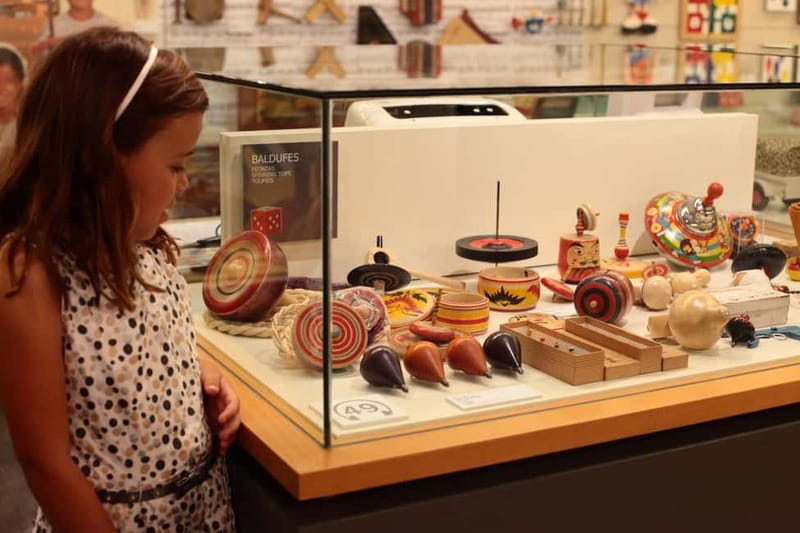
The collection reaches across five continents, making the museum feel much larger in scope than a display devoted only to European toys. You can expect games and playthings from different cultural settings, though the supplied information does not list every country or individual object.
That global range changes how you think about childhood. Some toys may feel familiar at once. Others may show different ways of making figures, games, vehicles, or play sets. The museum encourages you to compare what children play with, how toys are made, and which forms of play appear across cultures.
This is also where the museum can work well for families. Children do not need to read every label to notice shapes, colors, characters, and mechanisms. Adults can use the audio guide to add context and turn the visit into a shared conversation.
The drawback is that a large international collection can feel broad rather than deeply explained in every section. Your experience will depend on how much time you give the audio guide and the individual displays. If you hurry, you may remember the overall variety but miss the stories that make particular objects special.
The working model railroad
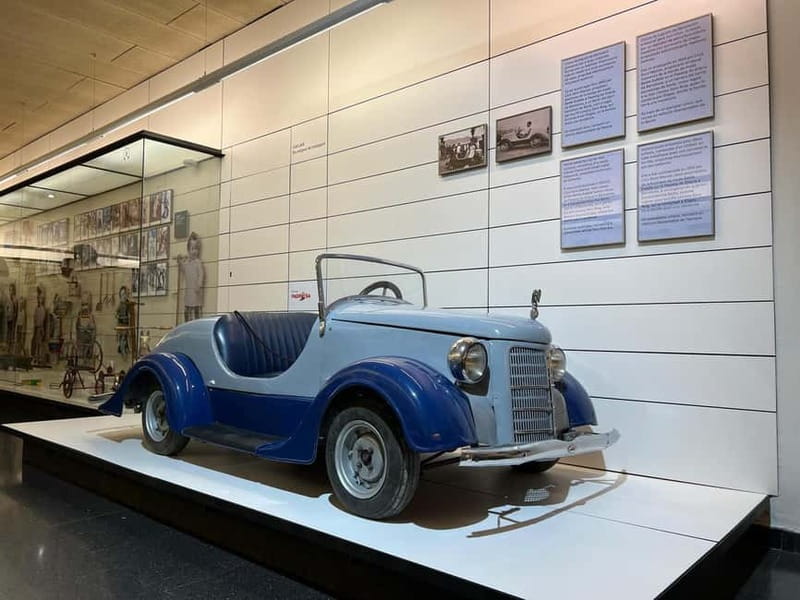
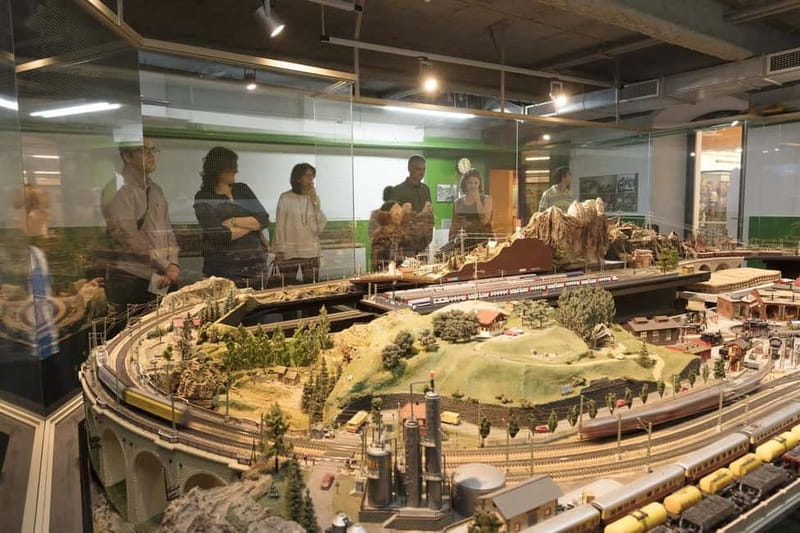
The spectacular working model railroad gives the museum a centerpiece with movement and mechanical appeal. A model train is easy to understand, even for young children, and it offers a welcome change after quieter glass cases and display rooms.
I would plan to spend time here rather than treating it as a quick photo stop. The fact that the railroad works is the key detail. Moving trains add sound, motion, and a sense of play that connects directly with the museum’s central idea.
The railroad can also help balance the visit for a mixed-age group. Adults may be drawn to the Dalí and Frida Kahlo connections, while children may remember the train most clearly. That difference is not a problem. It is one reason the museum can satisfy people with very different interests.
Photography restrictions apply, however. Flash photography and tripods are not allowed, so follow the museum’s rules and enjoy the display without trying to turn it into a photo session.
Dollhouses, robots, and video games
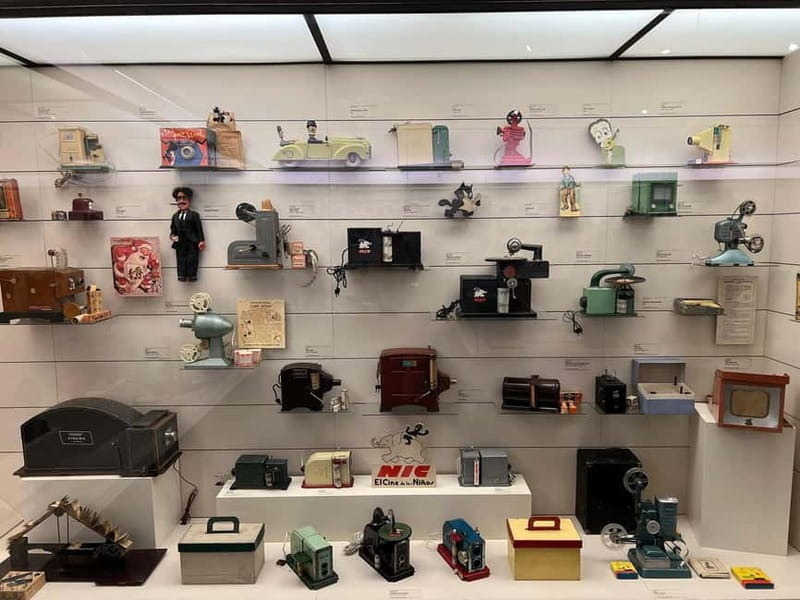
The audio-guided route also includes a room devoted to dollhouses, a robot collection, and video games. These sections show how the idea of a toy changes over time.
Dollhouses invite close looking. Their small rooms and furnishings turn everyday life into a miniature stage. Robots shift the mood toward machines, science fiction, and technology. Video games bring the collection into a more recent era, connecting the museum with childhoods that may feel much closer to your own.
I particularly like this spread because it prevents the museum from becoming only a collection of fragile antiques. You can move from traditional play to miniatures, mechanical figures, and electronic entertainment. That makes the visit easier to enjoy across generations.
The video game and robot displays may appeal most to older children and adults who grew up with electronic play. Younger children may prefer the model railroad or the more immediately recognizable toys. The museum gives you enough variety that nobody needs to enjoy every section equally.
How the audio guide shapes the visit
The audio guide is included with admission and is offered in Spanish, English, French, and Catalan. Since the museum brings together personal collections, international objects, and famous artistic names, this commentary can add useful context.
You should think of the format as flexible rather than scheduled. You are not following a live guide who controls the group’s pace. Instead, you can spend longer with the Dalí toys, pause at the puppets, or move quickly through a section that feels less relevant to you.
That freedom is useful for families, photographers who are following the restrictions, and visitors with different levels of interest. It also means you need to take some responsibility for your own visit. If you want a lively conversation with a guide, ask questions, and local recommendations, this experience may feel quiet.
The audio guide’s language choices are a real practical benefit. English, French, Spanish, and Catalan cover many visitors, and the inclusion removes the need to arrange a separate guide.
Who will get the most from the $10 price
At $10, the museum is reasonably priced for a cultural stop with included audio commentary and a collection broad enough to suit several age groups.
I would recommend it most strongly to:
- Families looking for an indoor activity with visual displays and moving trains
- Adults interested in Dalí, García Lorca, Frida Kahlo, or surrealist circles
- Museum fans who enjoy everyday objects with personal stories
- Visitors who like global collections rather than a single-country focus
- Anyone hoping to reconnect with toys from childhood
The price is less compelling if you want a tightly guided art experience or a short list of famous masterpieces. This is a museum of accumulation and comparison. Its pleasure comes from seeing many kinds of play together, then noticing which objects hold your attention.
The published rating is 4.8 from six ratings, and the strongest praise focuses on the museum’s appeal to both adults and children. That matches the collection’s design: it gives children recognizable playthings while giving adults artistic names, cultural connections, and memories to consider.
Practical rules and accessibility
The museum is wheelchair accessible, which makes it a practical choice for visitors who need step-free access. The information provided does not specify details about individual galleries, restrooms, or seating, so you may want to confirm those points directly if they matter for your visit.
Bring your passport or ID card. Food and drinks are not allowed, and luggage or large bags should not be brought inside. Selfie sticks, tripods, skateboards, scooters, and skates are also prohibited, along with flash photography.
These rules are easy to manage if you arrive with a small day bag and keep snacks outside the museum. They also protect delicate displays and keep narrow viewing areas clear.
The ticket can be canceled up to 24 hours in advance for a full refund. You can also reserve now and pay later, which is helpful if your Catalonia schedule is still changing.
Should you book the Toy Museum?
Book this museum if you want a relaxed, affordable cultural visit with a strong artistic connection and enough variety to hold a family’s attention. The Dalí and García Lorca toys, Frida Kahlo linked puppets, working model railroad, dollhouses, robots, and video games give you several good reasons to come.
I would not choose it as a replacement for a major art museum, nor would I expect a live guide or a tightly staged tour. Think of it as a self-guided visit where toys become the route into art, memory, technology, and world culture.
For $10, with the audio guide included and cancellation flexibility available, I consider it a sensible addition to a Catalonia itinerary. Check the available starting time, bring identification, leave large bags behind, and give yourself enough time to pause at the displays that bring back your own childhood.
FAQ
Where is the Toy Museum located?
The experience takes place in Catalonia, Spain, at the Toy Museum. Your visit begins and ends at the museum entrance.
How much does admission cost?
Admission costs $10 per person. The price includes entrance to the museum and the audio guide.
How long is the ticket valid?
The ticket is valid for one day. Check availability for the specific starting times offered.
Which languages are available for the audio guide?
The audio guide is available in Spanish, English, French, and Catalan.
Is the museum wheelchair accessible?
Yes. The Toy Museum is listed as wheelchair accessible.
What items are not allowed inside?
Food and drinks, luggage or large bags, selfie sticks, flash photography, tripods, skateboards, scooters, and skates are not allowed. Bring a passport or ID card.
More Museums Worth an Hour
- Dali Museum, Figueres & Cadaques Private Tour with Hotel pick-up
★ 5.0 · 46 reviews - Girona, Figueres, Dalí Museum and Cadaqués Tour from Barcelona
★ 4.5 · 36 reviews - Dalí 2 Museums, Figueres and House of Portlligat small group from Girona
★ 4.5 · 29 reviews - Girona, Figueres, Dalí and Cadaqués Museum from Barcelona
★ 4.5 · 19 reviews
Just added around Figueres
- Guided tour to the Museum of Dalì★ 4.5 · 7 reviews
- From Barcelona: Private Figueres & Pubol Full-Day Tour★ 4.9 · 10 reviews
- Private tour: Dali Museum in Figueres and Púbol Tour with Hotel pick-up★ 5.0 · 12 reviews
- Costa Brava: 2-hours Windsurfing session★ 5.0 · 16 reviews
- Escape Room Outdoor (on foot) Bartolomew Roberts Treasure★ 5.0 · 17 reviews
- Girona, Figueres, Dalí and Cadaqués Museum from Barcelona★ 4.5 · 19 reviews
- Escape Room Outdoor (kayak) Secrets of Tramontana★ 5.0 · 26 reviews
- Dalí 2 Museums, Figueres and House of Portlligat small group from Girona★ 4.5 · 29 reviews
Dali Museum Day Trips, compared.

Girona & Dali Museum Small Group Tour with Pick-up from Barcelona
Read our review →

Dali Museum, House & Cadaques Small Group Tour from Barcelona
Read our review →
Girona and Dali Museum Full Day tour from Barcelona
Read our review →
Dali Museum & Cadaques Small Group Tour with Hotel pick-up
Read our review →
Browse the lists this tour appears in