
Reviewed · GOTHIC QUARTER WALKING TOURS
Barcelona: Killers, Witches & Inquisition Old Town (day/eve)
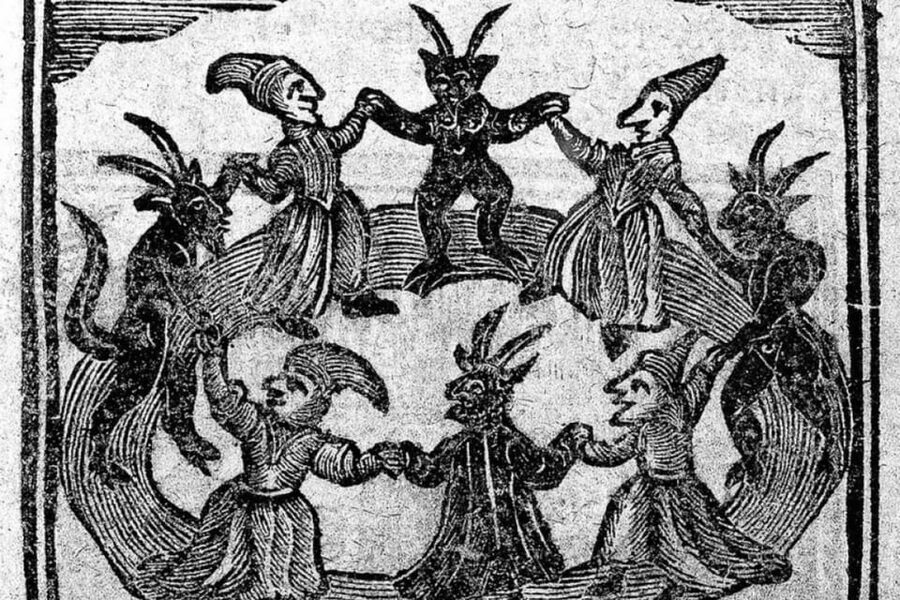
Barcelona’s Gothic Old Town takes on a darker mood when you hear what happened behind its narrow lanes and old squares. This two-hour walk links Spanish Inquisition terror, witch trials, torture, and executions with the city’s more mysterious tales, including the Vampire of Barcelona.
I like the way the tour looks beyond Barcelona’s usual Gaudí and beach themes. I also like its mix of history and folklore, plus the theatrical storytelling that guide Onno brings to local tales. The main caution is the walking surface: old streets can be uneven, and the activity is not considered suitable for people with mobility impairments, despite also being described as wheelchair accessible.
In This Review
- Key points at a glance
- Why Barcelona’s Gothic Old Town suits a dark-history walk
- Meeting at Plaça de Catalunya with a white umbrella
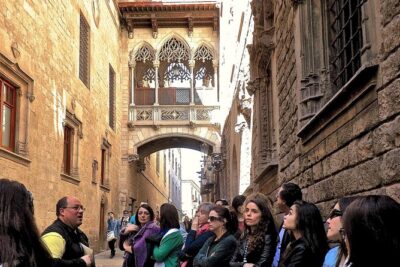
- Narrow lanes and historic plazas set the mood
- The Inquisition, torture, and public punishment
- Witch trials and the cost of superstition
- The Vampire of Barcelona and the edge of myth
- How the guide shapes the experience
- Daytime or evening: which timing works best?
- Is the €21 price fair?
- Who should book this Gothic Old Town walk?
- Should you book Barcelona: Killers, Witches & Inquisition?
- FAQ
- Where does the tour start?
- How will I recognize the guide?
- Where does the tour end?
- How long does the tour last?
- What language is the tour in?
- Is the guide-radio headset included?
- What topics does the tour cover?
- Can children join the tour?
- What should I wear and bring?
- Can I cancel for a full refund?
Key points at a glance
- A darker side of the Gothic Quarter: Hear about persecution, public executions, torture, and fear-driven justice.
- Local witch-trial stories: Learn how accusations involving storms, the devil, and supposed magic could lead to terrible punishment.
- History mixed with legend: The tour asks you to consider where documented events end and ghost stories or myth begin.
- A central meeting point: Meet by the Foot Locker on Plaça de Catalunya, where the guide carries a white umbrella.
- A small extra cost: Bring €1 per person for the guide-radio headset, paid at the start.
- Best for older children and adults: The tour is not suitable for children under 12 and contains gruesome subject matter.
Why Barcelona’s Gothic Old Town suits a dark-history walk
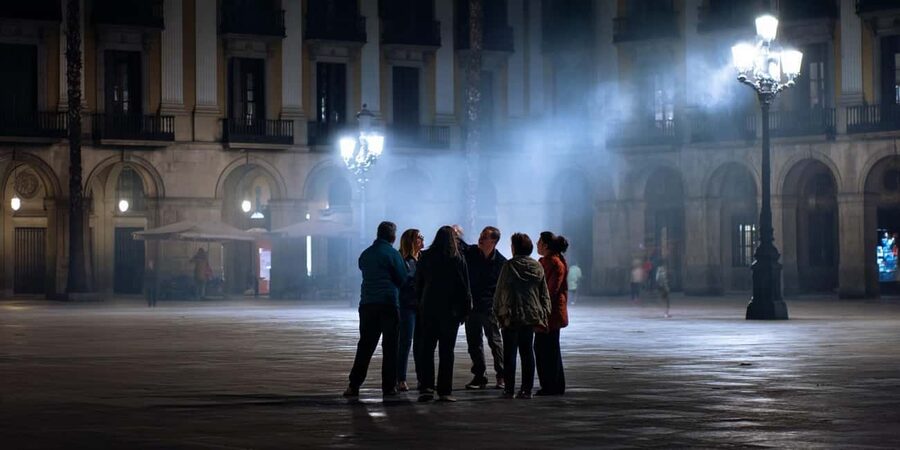
Barcelona is often sold through sunshine, Modernist buildings, tapas, and seaside views. Those are good reasons to visit, but the Gothic Old Town offers a different kind of experience. Its tight lanes and historic plazas give the stories a strong setting, especially when the subject turns to fear, punishment, and superstition.
You are not simply walking from one famous sight to another. The guide uses the streets as a backdrop for stories about people accused of witchcraft, officials who enforced religious law, and public punishment carried out in front of crowds. The result is part history lesson, part atmospheric stroll.
That mix is the tour’s main appeal. If you prefer dates, names, and architectural details only, parts of the walk may feel too theatrical. If you enjoy the uneasy space between fact and folklore, you will find plenty to think about.
The tour is conducted in English and lasts two hours. That is long enough to give the subject room, but short enough to fit around a day of sightseeing. You return to the same meeting point, which makes the walk easy to pair with other plans in central Barcelona.
More Gothic Quarter walks:
- Barcelona in 1 Day: Sagrada Familia, Park Guell,Old Town & Pickup
★ 5.0 · 13,541 reviews - Barcelona all included: Sagrada, Park Güell, Montjuic & Gothic
★ 5.0 · 2,169 reviews - Barcelona: Sagrada Familia, Modernism, and Old Town Tour
★ 4.7 · 1,621 reviews
Meeting at Plaça de Catalunya with a white umbrella
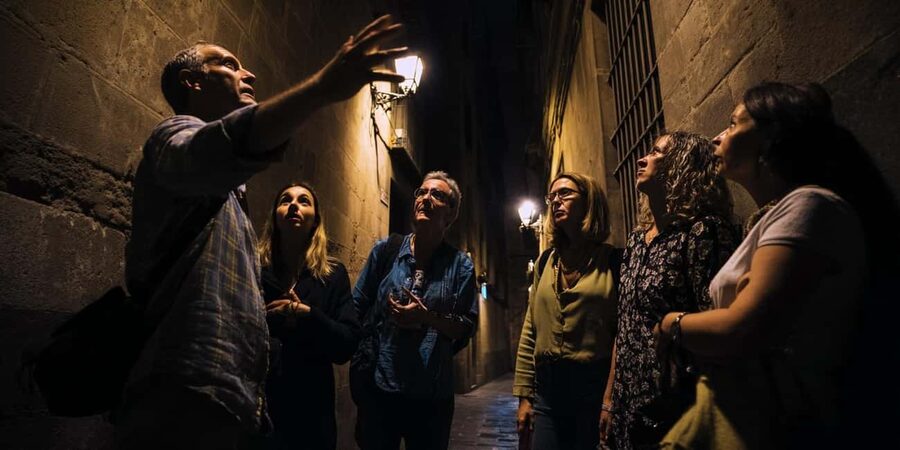
The starting point is on the sidewalk in front of the Foot Locker at Plaça de Catalunya. This is a busy and familiar central location, but allow time to find the exact sidewalk meeting spot rather than assuming the guide will be inside a shop or at the center of the square.
Look for the guide carrying a white umbrella. That simple marker matters in a crowded public square, particularly if several walking groups are gathering at the same time.
A guide-radio headset is used during the walk. It costs €1 per person and is paid at the start, so keep a euro handy. The headset should make it easier to follow the guide while moving through busy streets, though it is still wise to stay close to the group.
The walk ends back at Plaça de Catalunya. You do not need to arrange a taxi or public transport from a distant neighborhood, and you can continue into the Gothic Old Town, Passeig de Gràcia, or another central area afterward.
Narrow lanes and historic plazas set the mood
The route moves through the Gothic Old Town, where narrow alleys and old squares create a natural stage for stories from Barcelona’s past. The supplied details do not name every stop, so you should not expect a fixed list of monuments or a standard sightseeing route focused on major buildings.
Instead, the guide points out places connected with darker chapters of the city. A lane that looks ordinary in daylight may take on a different meaning once you hear that the surrounding area was linked to punishment, accusation, or public fear.
This is one of the tour’s better ideas. The setting is not just scenery between stops. It helps you picture how power and religion shaped daily life, and how rumors could spread through a close-knit town.
The old streets also bring practical limits. You will be walking for two hours, sometimes on uneven surfaces. Comfortable walking shoes are essential, and a bottle of water is a good idea, especially on a warm day.
Do not expect a smooth museum-style visit. You will be standing, walking, listening, and sometimes pausing in public areas. The pace may suit you if you like learning while moving, but it is less suitable if you need frequent seating or a flat, predictable route.
The Inquisition, torture, and public punishment
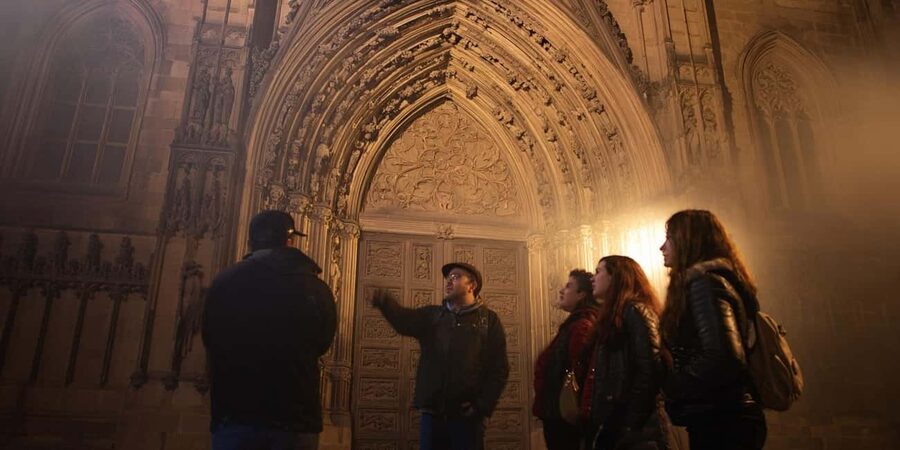
One major part of the walk focuses on the Spanish Inquisition and the fear it created. The subject is not presented as a distant institution with no connection to ordinary life. The stories show how accusations, religious pressure, and official power could affect people in the streets and squares around you.
You hear about torture, public executions, and inquisitors who pursued supposed wrongdoing. These accounts can be grim, but they help explain why the tour is aimed at people aged 12 and older. The tone is designed for an audience that can handle frightening and sometimes gruesome material.
I like this part because it gives the Gothic Old Town a human dimension. Barcelona’s old stones are easy to admire as decoration, but these stories remind you that historic places were also used for judgment, punishment, and public display.
The tour is not presented as a legal history seminar. It is a guided story walk, and the guide’s delivery matters. Onno, one of the guides connected with this experience, is described as animated and effective at bringing darker subjects to life. That energy can keep a serious topic from becoming a dry list of facts.
Still, you should listen with some care when the tour moves from documented history into legend. The experience itself is built around that uncertainty. Some stories may be firmly rooted in historical events, while others belong more to local memory, rumor, or later storytelling.
A few more Barcelona options worth an hour of your trip
- Barcelona: Park Güell Admission Ticket
★ 4.4 · 76,534 reviews - Barcelona: Casa Batlló Entry with Self-Audioguide Tour
★ 4.7 · 25,359 reviews - Barcelona: 24 or 48-Hour Hop-On Hop-Off Bus Tour
★ 4.4 · 20,872 reviews - Barcelona: Park Guell Guided Tour with Skip The Line Entry
★ 4.7 · 17,563 reviews
Witch trials and the cost of superstition
The section on witch trials looks at accusations made against women in the 16th and 17th centuries. You hear how supposed links to storms, the devil, or supernatural acts could lead to terrible consequences.
These stories are valuable because they show how fear often worked. A failed harvest, bad weather, illness, or a neighborhood dispute could be given a supernatural explanation. Once suspicion took hold, the accused person had little protection from the crowd or the authorities.
The guide connects these local tales to the wider climate of paranoia and religious control. That adds weight to what might otherwise sound like a collection of spooky anecdotes.
You may find this part more disturbing than the ghost stories because it concerns real accusations and real punishment. The tour does not treat the subject as harmless Halloween entertainment. It uses the stories to show how easily myth and power could combine.
The balance between fact and folklore is important here. The guide may present a local witch story alongside better-known historical themes, and you will need to keep in mind that they do not all carry the same level of proof. That is not a flaw if you enjoy storytelling, but it is worth knowing before you book.
The Vampire of Barcelona and the edge of myth
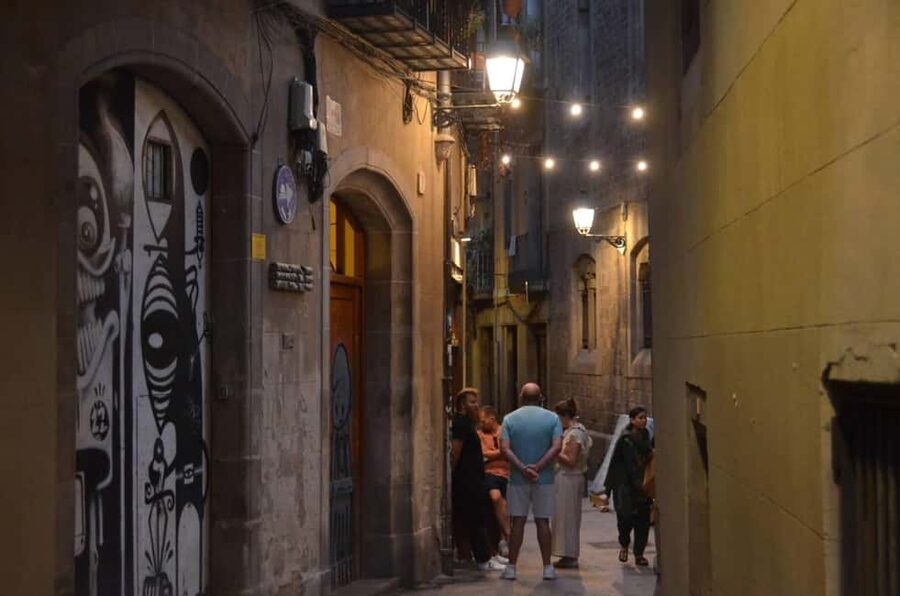
The mention of the Vampire of Barcelona adds a more sensational note. This is where the tour moves further into the city’s legends, dark characters, and unsettling tales.
The vampire story gives the walk a change of pace after discussions of inquisitors and witch trials. You are no longer dealing only with religious courts or public punishment. You are also considering how frightening figures become part of a city’s identity through stories passed from one generation to another.
The strongest version of this experience does not ask you to accept every tale as fact. Instead, it invites you to ask where history ends and myth begins. That question is repeated throughout the walk and is central to its appeal.
I would treat the vampire material as atmosphere rather than a substitute for historical evidence. If you want a strict academic account, you may prefer a museum or specialist lecture. If you want to see how Barcelona’s darker stories are told in the places associated with them, this section should fit well.
The tour also includes references to modern unsolved mysteries, according to the description of the experience. The exact examples are not specified, so you should expect the guide to shape the emphasis according to the route and the group rather than follow a fully published script.
How the guide shapes the experience
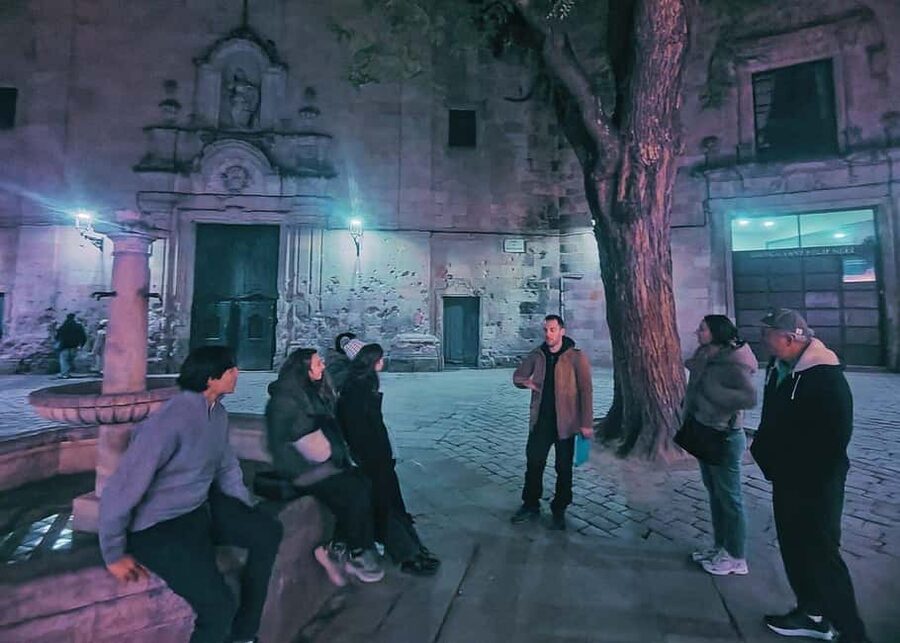
A dark-history tour depends heavily on presentation. The material can easily become flat if delivered as a string of dates, or overdone if every story is treated as proven fact.
Onno is specifically praised for animated storytelling. That is useful information when choosing this walk because the guide’s tone affects the whole evening. The stories include torture and executions, but the goal is not simply to shock you. The guide connects the tales to the places around you and keeps the walk moving.
The experience is conducted in English with a live guide. There is no indication that you receive a printed history booklet or audio recording, so the value comes from the guide’s explanation, timing, and ability to make sense of the setting.
You should also expect some interaction with the atmosphere of the Old Town itself. The guide may pause in a plaza, point out a lane, or explain why a seemingly quiet corner matters. You will get more from the walk if you pay attention to the surroundings instead of treating each stop as a place to take a quick photograph.
Flash photography is not allowed. That rule fits the tone of the tour and may also help avoid disrupting the group or people nearby.
Daytime or evening: which timing works best?
The experience is listed for day or evening, with starting times shown when you check availability. An evening departure should make the narrow lanes feel more atmospheric, especially when the subject turns to ghosts, vampires, and old punishments.
Daytime has its own benefits. You can see the details of the streets and plazas more clearly, and you may feel more comfortable navigating the busy Old Town. A daytime walk can also help you recognize places you later pass on your own.
Choose the timing based on your comfort and interests. If you want mood and suspense, an evening start may suit you. If you prefer a clearer view of the setting and an easier transition to dinner or another activity, daytime may be the better choice.
The tour lasts two hours, so check the start time carefully when planning meals, museum visits, or evening transport. The route returns to Plaça de Catalunya, which keeps the end point simple.
Is the €21 price fair?
At $21 per person, this is a modestly priced guided activity for two hours in central Barcelona. The price covers the professional guide, while the only stated extra is €1 per person for the headset.
I consider that reasonable if you enjoy guided storytelling and want more than a self-guided walk through attractive streets. You are paying for the route, the structure, and the guide’s ability to connect local places with difficult subjects.
The value is less clear if you mainly want architecture or famous sights. This is not a Gaudí tour, a food walk, or a full introduction to Barcelona. It focuses on a narrow theme, and much of the enjoyment depends on how much you like dark folklore and historical crime.
The perfect audience is someone who has already seen some of Barcelona’s standard sights and wants a different angle on the city. It also suits couples, friends, and older families who enjoy spooky stories without needing a full horror attraction.
The tour is not suitable for children under 12, pregnant women, people with heart problems, or people with mobility impairments. The subject matter and uneven walking route are the reasons to take those warnings seriously.
There is a small contradiction in the practical information: the activity is marked wheelchair accessible but also says it is not suitable for people with mobility impairments. I would contact Nostos Tours before booking if you use a wheelchair, walker, or need a consistently smooth route. Do not rely on the general accessibility label alone.
Who should book this Gothic Old Town walk?
You should book if you like:
- Dark local history rather than standard sightseeing
- Stories about witch trials, inquisitors, and public punishment
- Guides who use theatrical storytelling
- Walking through old streets instead of sitting in a museum
- A short activity that fits into a busy Barcelona schedule
- The question of how fact turns into legend
You may want to skip it if you dislike gruesome subjects, need regular seating, or want a tour built around major buildings and art. The Gothic Old Town is the setting, but the focus is fear, faith, power, and myth.
Wear shoes with good grip. Bring water. Keep the €1 headset fee ready, and arrive at the Foot Locker on Plaça de Catalunya with enough time to spot the white umbrella.
Should you book Barcelona: Killers, Witches & Inquisition?
I would book this tour if you want to see Barcelona from a less polished angle. Its best feature is the combination of atmospheric streets and stories about real persecution, with legends such as the Vampire of Barcelona adding a more theatrical edge.
The experience is especially useful after you have visited the city’s famous Modernist sights. It gives you a reason to slow down in the Gothic Old Town and notice how much meaning can sit behind an ordinary doorway or square.
Go in expecting a guided story walk, not a scholarly examination of every claim. If you can handle grim material, walk comfortably for two hours, and enjoy the tension between history and folklore, the $21 price is fair. If you need a gentle family activity or a fully accessible route, choose something else.
FAQ
Where does the tour start?
It starts on the sidewalk in front of the Foot Locker on Plaça de Catalunya.
How will I recognize the guide?
The guide will have a white umbrella.
Where does the tour end?
The tour ends back at the meeting point on Plaça de Catalunya.
How long does the tour last?
The walking tour lasts two hours.
What language is the tour in?
The tour is conducted in English with a live guide.
Is the guide-radio headset included?
The headset is not included in the tour price. It costs €1 per person and is paid at the start.
What topics does the tour cover?
It covers the Spanish Inquisition, torture, public executions, witch trials, inquisitors, local legends, and the Vampire of Barcelona.
Can children join the tour?
Children under 12 are not permitted to join this activity.
What should I wear and bring?
Wear comfortable walking shoes and bring a water bottle. The route includes uneven surfaces.
Can I cancel for a full refund?
You can cancel up to 24 hours in advance for a full refund.
Just added around Barcelona
- GoCar Full Day Tour★ 4.0 · 6 reviews
- Sagrada Familia and Barcelona Highlights: Private Guided 4-Hour Driving Tour★ 5.0 · 6 reviews
- Barcelona: Highlights & Gems Private Tour with Tapa & Drink★ 3.9 · 6 reviews
- Gothic Quarter and Born District: Photographic Workshop★ 5.0 · 6 reviews
- Gobbi Yacht Rental in Barcelona 9 Pax 2/4/8hs★ 5.0 · 6 reviews
- Barcelona: Gothic Quarter & La Sagrada Familia Private Tour★ 4.9 · 6 reviews
- Private Sailboat Ride at Sunset from Sitges★ 5.0 · 6 reviews
- Barcelona: Private Tour of Casa Batllo with Reserved Access★ 3.5 · 6 reviews
Gothic Quarter Walking Tours, compared.
Barcelona in 1 Day: Sagrada Familia, Park Guell,Old Town & Pickup
Read our review →
Barcelona all included: Sagrada, Park Güell, Montjuic & Gothic
Read our review →
Sagrada Familia, Modernism, and Old Town Tour
Read our review →
Barcelona Gothic Quarter Tapas & Taverns Food & Wine Tour
Read our review →
Gothic Quarter Ghosts and Legends Walking Tour
Read our review →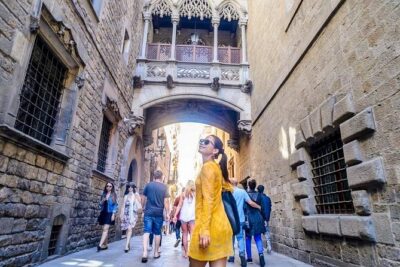
Barcelona Helicopter, Sailboat & Old Town Private Walking Tour
Read our review →
Barcelona Old Town & Gothic Quarter Small Group Tour
Read our review →Browse the lists this tour appears in