
Reviewed · GOTHIC QUARTER WALKING TOURS
Barcelona Old Town Tour With Optional Flamenco Show
Barcelona’s Old Town tour connects some of the city’s most memorable sights with odd little details you could easily miss alone: a skull with a dagger, a bridge said to grant wishes, and a monument honoring human towers. The walk moves from Plaça de Sant Miquel through the Gothic Quarter to Palau de la Música Catalana.
I like the small maximum of 15 people, which should make it easier to hear the guide and ask questions. I also like the 4 p.m. start, since you can spend the morning at a museum or market and still get a useful introduction to the oldest part of Barcelona.
The main limitation is its short length. Ninety minutes gives you a smart orientation, not a full tour of the Old Town, and the cathedral and Palau de la Música Catalana are viewed from outside. The optional flamenco show is only available on Fridays and Saturdays, with a 9 p.m. entry.
In This Review
- Key points to know before booking
- Why this short Barcelona walk works
- Plaça Sant Miquel and the human tower tradition
- Plaça de Sant Jaume and the city’s Roman frame
- Pont del Bisbe and the dagger in the skull
- Barcelona Cathedral and the problem with labels
- Plaça del Rei above the Roman thoroughfare
- Palau de la Música Catalana and the route’s modern finish
- The optional flamenco show at 9 p.m.
- Group size, pace, and accessibility
- Value, timing, and who should book
- Should you book this Barcelona Old Town tour?
- FAQ
- How long does the Barcelona Old Town tour last?
- What time does the tour start?
- Where does the tour begin?
- Where does the tour end?
- Is the tour offered in English?
- How many people can join the tour?
- When is the flamenco show available?
Key points to know before booking
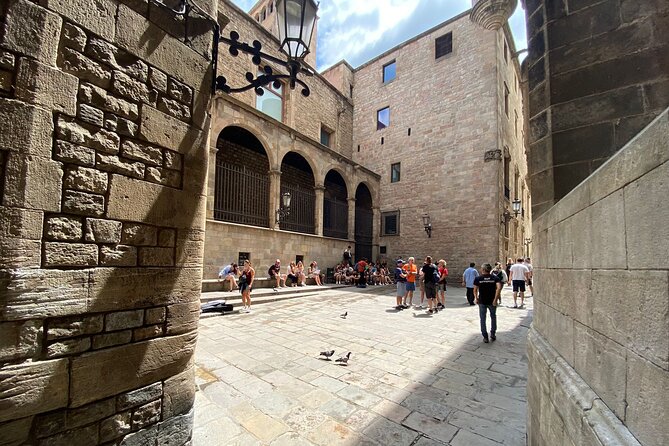
- Human towers open the tour: At Plaça Sant Miquel, your guide explains the Catalan tradition celebrated by the square’s monument.
- The Gothic Quarter is the heart of the walk: You visit Plaça de Sant Jaume, Pont del Bisbe, Barcelona Cathedral, and Plaça del Rei.
- Roman Barcelona sits beneath the route: Plaça de Sant Jaume and Plaça del Rei help explain how the present-day streets grew from the ancient city.
- The group is capped at 15 people: This is a better fit for personal questions than a large coach-style outing.
- The walk ends near Palau de la Música Catalana: The route finishes at Plaça Lluís Millet, outside the caganer.com shop.
- The flamenco add-on changes the evening plan: On Fridays and Saturdays, you can attend a one-hour show at 9 p.m. with a free drink.
Why this short Barcelona walk works
Barcelona can be hard to read on a first visit. The city has layers from Roman times, medieval Catalonia, religious power, civic politics, and modernist design. This tour gives you a compact route through those layers without asking you to spend half a day on a single attraction.
The guide does more than point out façades. The stops are chosen for stories and connections. You learn why human towers matter, how Roman roads shaped the Gothic Quarter, and why a bridge built in the 1920s looks much older than it is.
That format suits you if you want context before exploring on your own. I would treat it as a first look rather than the main Old Town experience. You will see the outside of several major buildings, but you will not have time for long interior visits.
The tour is offered in English and begins at 4 p.m. The timing is practical. Barcelona’s hottest part of the day is behind you, and you still have the evening free. If you choose the flamenco option on a Friday or Saturday, the four-hour gap between the walking tour and the 9 p.m. show gives you time for dinner or a rest.
More flamenco and guitar nights:
- Barcelona: Tablao Flamenco Cordobes Show and Drink in Rambla
★ 4.6 · 3,822 reviews - Barcelona: Palau de la Música Self-Guided Tour
★ 4.6 · 3,603 reviews - Barcelona: Palau de la Música Guided Tour
★ 4.7 · 3,273 reviews
Plaça Sant Miquel and the human tower tradition
The tour starts at Plaça de Sant Miquel in Ciutat Vella, Barcelona’s Old Town. This is not just a meeting point. It introduces one of the most distinctive cultural details on the route: the Catalan tradition of building human towers, known as castells.
A monument in the square celebrates the impressive feat. Your guide uses it to explain why this activity carries such meaning in Catalonia. The stop lasts about 20 minutes, so there is enough time for a proper explanation rather than a quick photograph and departure.
I like beginning here because it gives the walk a local focus from the first few minutes. Barcelona’s famous architecture often takes center stage, but the human tower tradition points you toward community, coordination, and regional identity.
There is no admission charge for the square. You should expect an outdoor explanation, not a performance or demonstration. The value comes from the guide’s interpretation and from learning how to notice a cultural symbol you might otherwise walk past.
Plaça de Sant Jaume and the city’s Roman frame
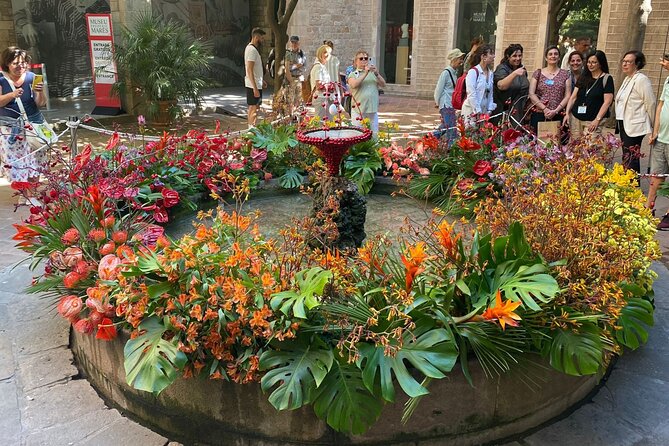
From Plaça Sant Miquel, the route continues to Plaça de Sant Jaume, the central plaza of the Gothic Quarter. City Hall and the seat of the Catalan government face one another here, giving the square an obvious civic role.
The guide also explains the older layout beneath the modern institutions. Ancient roads once crossed this area and linked Roman colonies. That detail helps you understand why the Gothic Quarter can feel irregular and tightly packed. The streets were not planned as a modern grid from scratch. They grew over earlier routes.
This stop lasts about 10 minutes. That is enough for orientation, but it is also one of the tour’s brisker stops. If you enjoy political history or want to study the façades, you may wish to return later when you have more time.
Plaça de Sant Jaume works well early in the route because it gives you a map in your head. You are not just walking among old buildings. You are following the center of Barcelona’s civic life across several periods.
Pont del Bisbe and the dagger in the skull
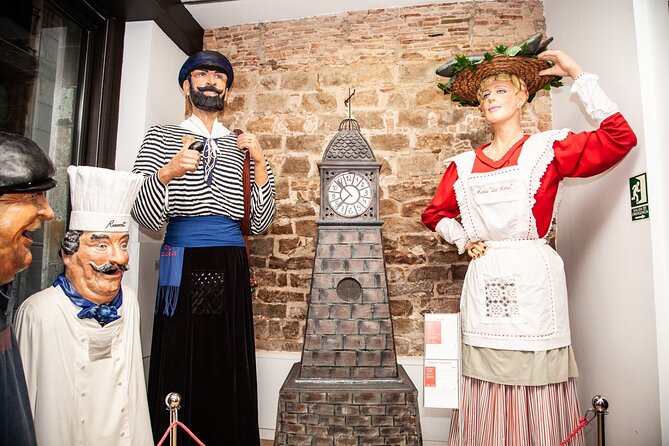
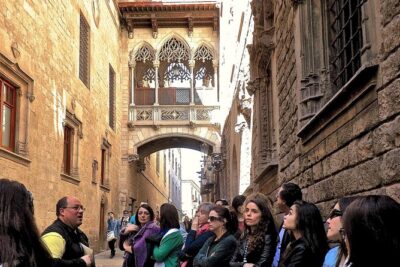
Pont del Bisbe is one of the most photographed spots in the Gothic Quarter. The bridge crosses the narrow Carrer del Bisbe and links two historic buildings. It looks like an authentic medieval passage, but the structure dates from the 1920s and follows a neo-Gothic design.
That contrast is one of the tour’s best teaching moments. The Gothic Quarter contains genuine medieval remains, later additions, restorations, and buildings designed to look older. A guide can help you separate those layers instead of assuming every pointed arch is hundreds of years old.
Look closely for the dagger in a skull, a small and unsettling detail built into the bridge. You will also hear the local story that the bridge can grant wishes. The tour does not need to settle the legend for you. The fun is in noticing how a tiny symbol can become part of a city’s folklore.
The stop lasts about 15 minutes. The bridge is narrow, so the group’s maximum size matters here. A group of 15 is still compact enough for the guide to gather people without taking over the passage.
You may want to take your photograph quickly and then listen. The bridge is a good example of why this walk is more useful than a simple list of monuments. The building itself is striking, but its date, appearance, and legend make it far more interesting.
More Gothic Quarter walks:
- Barcelona in 1 Day: Sagrada Familia, Park Guell,Old Town & Pickup
★ 5.0 · 13,541 reviews - Barcelona all included: Sagrada, Park Güell, Montjuic & Gothic
★ 5.0 · 2,169 reviews - Barcelona: Sagrada Familia, Modernism, and Old Town Tour
★ 4.7 · 1,621 reviews - Barcelona Gothic Quarter Tapas & Taverns Food & Wine Tour
★ 5.0 · 1,470 reviews
Barcelona Cathedral and the problem with labels
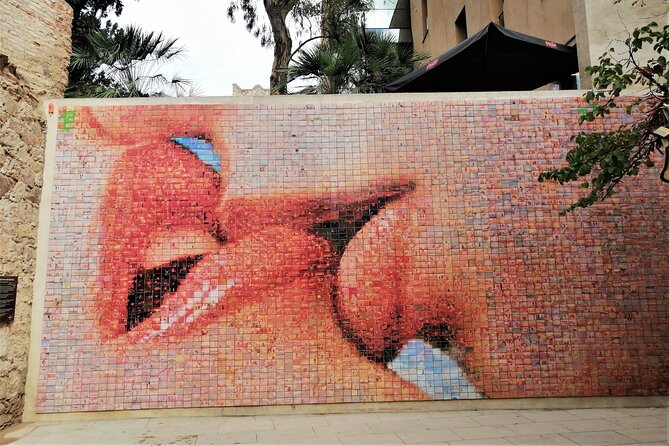
Barcelona Cathedral is the spiritual center of the Old Town route. The tour allows about 15 minutes here, focusing on the building from the outside and on the idea that things may not be as Gothic as they first appear.
That point matters. Architectural labels can be tidy, but real city buildings are often altered over time. A façade can present a medieval image while reflecting later work, restoration, or changing tastes. Your guide gives you a way to look beyond the first impression.
The cathedral is one of the places where you may feel the limits of a 90-minute tour. The experience does not include an interior admission ticket, and the scheduled stop is short. If you want to study the chapels, cloister, artwork, or other interior details, plan a separate visit.
Still, the stop is valuable for orientation. The cathedral sits at the center of the Old Town, and understanding its place in the district helps you make sense of the surrounding lanes. I would listen to the explanation, take in the exterior, and mark the cathedral as a possible return visit.
Plaça del Rei above the Roman thoroughfare
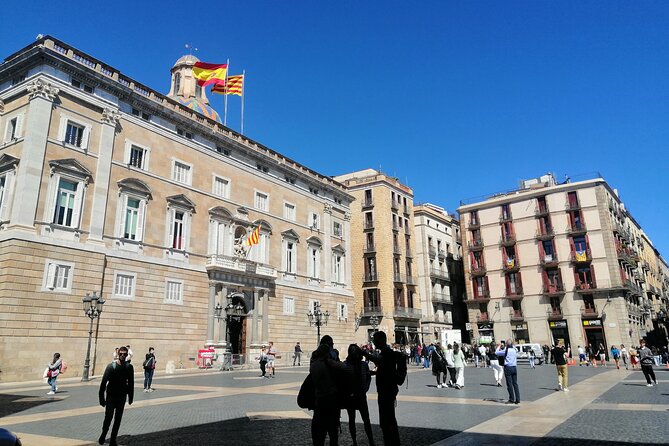
Plaça del Rei, or King’s Square, is one of the most atmospheric stops on the route. The square was built above what was once a Roman thoroughfare, adding another layer to the story of Barcelona’s development.
This is where the tour’s earlier references to Roman roads become easier to picture. Modern Barcelona is not simply placed beside ancient Barcelona. In parts of the Old Town, the present city sits directly over earlier streets, buildings, and routes.
The scheduled time here is about 15 minutes. That gives your guide room to explain the square’s role and point out the relationship between its open space and the surrounding historic buildings. You will not be taking a full archaeological tour, so keep your expectations realistic.
I like this stop for the sense of scale it provides. At Plaça de Sant Jaume, you hear about ancient roads in the middle of a working civic center. At Plaça del Rei, the Roman layer feels more immediate. Together, the two stops show how Barcelona’s past remains part of the city’s everyday structure.
Palau de la Música Catalana and the route’s modern finish
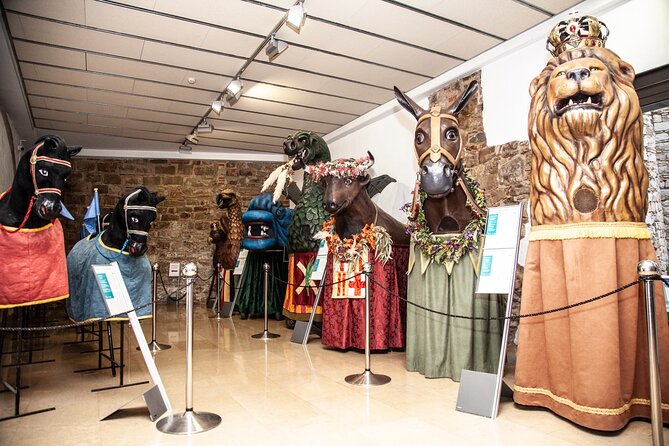
The tour ends at Plaça Lluís Millet, near Palau de la Música Catalana. You see the outside of this modernist concert hall at the end of a winding street, a change from the medieval-looking spaces earlier in the walk.
The building gives the route a strong final contrast. Barcelona’s Old Town is not frozen in one period. Roman planning, medieval institutions, twentieth-century neo-Gothic design, and Catalan modernism all appear within a compact area.
The stop lasts about 15 minutes. The activity includes an exterior view only, so you should not expect a concert hall visit or interior tour. If the building interests you, use this ending point to decide if you want to arrange a separate visit.
The finish is at Plaça Lluís Millet, in front of the caganer.com shop. That detail is useful when you are arranging your next move. You are not returning to the starting square, so check the end location before booking another activity nearby.
The optional flamenco show at 9 p.m.
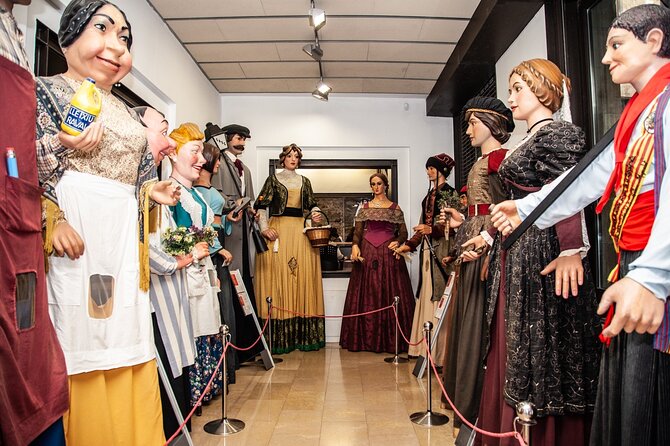
The flamenco upgrade is available on Fridays and Saturdays. Entry is at 9 p.m., and the one-hour show includes a free drink. When you arrive, you give the name used during booking.
This option can turn a short afternoon walk into a fuller evening plan. The tour ends around 5:30 p.m. if it runs close to its 90-minute duration, leaving several hours before the show. That gap is useful for a meal or a break, though you will need to organize that time yourself.
The add-on makes most sense if you already want flamenco and appreciate the convenience of arranging it alongside your Old Town walk. It is less useful if you are looking for a longer historical tour or want to keep your evening completely open.
The supplied information does not specify the show’s venue, seating arrangement, or style of performance. I would check those details before paying for the upgrade. What is clear is the schedule, the one-hour length, the Friday and Saturday availability, and the included drink.
Group size, pace, and accessibility
The group is limited to a maximum of 15 people. That is a meaningful feature in the Gothic Quarter, where narrow streets and crowded photo spots can make a large group awkward. A smaller party should also make it easier to hear the English-speaking guide and ask a question without stopping the whole street.
The tour lasts about 90 minutes and includes six stops. The listed stop times add up to the full duration, so the pace is purposeful. You will move from place to place and listen at each point, rather than linger for long photography sessions.
Most people can participate, and service animals are allowed. The tour is near public transportation, which helps with reaching the starting square and leaving from the final stop. The supplied details do not describe step-free access, street surfaces, or seating, so you should ask the provider directly if those points matter to you.
An enthusiastic guide can make a real difference on a short route. Eoghan is specifically praised for his enthusiasm and for sharing a great deal of information. That gives you a useful clue about the tour’s style: expect spoken explanation and stories, not a silent walk between landmarks.
Value, timing, and who should book
No tour price is provided here, so I cannot judge the exact cost in euros. I would measure the value against what you need. If you want a guide to connect the Roman, medieval, Catalan, and modernist parts of the Old Town in 90 minutes, the format can be worthwhile.
The value is lower if you mainly want interior access. Admission to the listed stops is free because the tour visits public squares and views the cathedral and concert hall from outside. You are paying for the guide’s time, route planning, explanations, and the convenience of seeing several key locations in one walk.
This is a good match for:
- First-time visitors who want a clear introduction to Ciutat Vella.
- Short-stay visitors with only one afternoon available.
- Independent explorers who want background before returning to places on their own.
- Small groups who prefer a more personal walk.
- Flamenco fans visiting Barcelona on a Friday or Saturday.
It is less suitable if you need a full architectural tour, a cathedral interior visit, or an unhurried photography walk. Families and people with limited walking time may appreciate the short duration, but the available information does not give exact accessibility details.
The current rating is 5 out of 5 from 42 reviews, and the experience is recommended by 100 percent of people who rated it. The strongest specific praise focuses on the guide’s enthusiasm and the amount of information shared. That matches the tour’s main purpose: a lively orientation led by a person who can explain the details in front of you.
You also get free cancellation if you cancel at least 24 hours before the 4 p.m. start time. Inside that window, the payment is not refunded, and changes are not accepted. Keep that deadline in mind if your Barcelona plans are still shifting.
Should you book this Barcelona Old Town tour?
Book it if you want a short, focused walk that explains why the Gothic Quarter is more than old-looking streets. The human tower monument, Roman road references, dagger in the skull, wish-granting bridge, and modernist final stop give the route enough variety to keep 90 minutes interesting.
I would especially choose it for a first afternoon in Barcelona. It gives you bearings, stories, and several places to mark for a later visit. Add the flamenco show if you are in Barcelona on Friday or Saturday and like the idea of arranging a 9 p.m. performance with a free drink.
Skip it if your priority is going inside the cathedral or Palau de la Música Catalana, or if you want a long, detailed tour of every medieval street. For everyone else, this is a practical introduction with a manageable group size, a convenient late-afternoon start, and a guide-led explanation of the city’s many layers.
FAQ
How long does the Barcelona Old Town tour last?
The walking tour lasts approximately 1 hour and 30 minutes.
What time does the tour start?
The tour starts at 4 p.m.
Where does the tour begin?
It begins at Plaça de Sant Miquel in Ciutat Vella, Barcelona.
Where does the tour end?
It ends at Plaça Lluís Millet, in front of the caganer.com shop near Palau de la Música Catalana.
Is the tour offered in English?
Yes. The tour is offered in English.
How many people can join the tour?
The group has a maximum of 15 people.
When is the flamenco show available?
The flamenco upgrade is available on Fridays and Saturdays, with entry at 9 p.m. The one-hour show includes a free drink.
More Show in Barcelona
- Barcelona: Flamenco Show with Drink at La Rambla
★ 4.6 · 2,090 reviews - Barcelona: Flamenco Show with Dinner at Tablao de Carmen
★ 4.7 · 2,009 reviews - Flamenco Show Ticket at Theatre Barcelona City Hall
★ 4.5 · 1,264 reviews - Authentic Flamenco Show Barcelona : Intimate Casa Sors Experience
★ 5.0 · 809 reviews
Just added around Barcelona
- GoCar Full Day Tour★ 4.0 · 6 reviews
- Sagrada Familia and Barcelona Highlights: Private Guided 4-Hour Driving Tour★ 5.0 · 6 reviews
- Barcelona: Highlights & Gems Private Tour with Tapa & Drink★ 3.9 · 6 reviews
- Gothic Quarter and Born District: Photographic Workshop★ 5.0 · 6 reviews
- Gobbi Yacht Rental in Barcelona 9 Pax 2/4/8hs★ 5.0 · 6 reviews
- Barcelona: Gothic Quarter & La Sagrada Familia Private Tour★ 4.9 · 6 reviews
- Private Sailboat Ride at Sunset from Sitges★ 5.0 · 6 reviews
- Barcelona Private Gothic Quarter Tour with Flamenco Show★ 5.0 · 6 reviews
Gothic Quarter Walking Tours, compared.
Barcelona in 1 Day: Sagrada Familia, Park Guell,Old Town & Pickup
Read our review →
Barcelona all included: Sagrada, Park Güell, Montjuic & Gothic
Read our review →
Sagrada Familia, Modernism, and Old Town Tour
Read our review →
Barcelona Gothic Quarter Tapas & Taverns Food & Wine Tour
Read our review →
Gothic Quarter Ghosts and Legends Walking Tour
Read our review →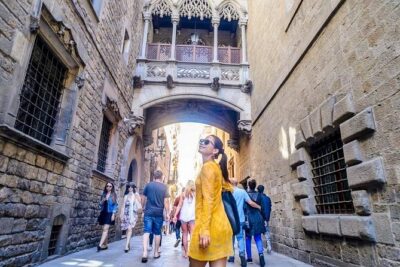
Barcelona Helicopter, Sailboat & Old Town Private Walking Tour
Read our review →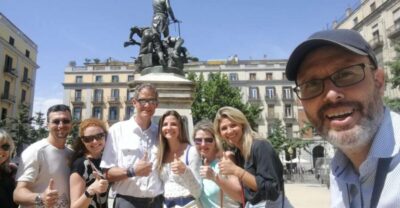
Barcelona Old Town & Gothic Quarter Small Group Tour
Read our review →Browse the lists this tour appears in