
Reviewed · GOTHIC QUARTER WALKING TOURS
Barcelona: Phone Photography Tips & Tricks – Park & Old Town
Your phone camera can do far more than point and shoot. This 2.5-hour class with photographer-guide Onno shows you how to frame a scene, use your phone’s lenses, pose people, find better angles and make quick edits, all while walking through some of Barcelona’s best-looking corners.
I like two things right away: the lesson focuses on composition rather than confusing camera jargon, and you practice in real places instead of sitting in a classroom. The route also gives you the Arc de Triomf, Ciutadella Park and El Born in one outing.
The main consideration is that this is a walking class, not a private photo shoot. You are expected to take the pictures yourself, and the class is better suited to iPhones and higher-end Android phones than basic models.
In This Review
- Key points at a glance
- Why this class is different from a photo shoot
- Meeting under the Arc de Triomf
- Using Ciutadella Park as your outdoor classroom
- From park paths to medieval El Born
- Posing and taking better pictures of people
- The editing lesson that improves ordinary pictures
- What the $28 price gets you
- Who will get the most from this experience
- Timing, access and practical preparation
- What you should expect to learn
- Should you book the Barcelona phone photography class?
- FAQ
- How long does the Barcelona phone photography class last?
- How much does the experience cost?
- Where does the class meet?
- Where does the activity finish?
- Which places does the class visit?
- Is a camera provided?
- Can Android users join?
- What language is the class taught in?
- Can I cancel for a refund?
Key points at a glance
- Start beneath the Arc de Triomf: Find your English-speaking instructor under the arch with a white umbrella.
- Practice in Ciutadella Park: Use the fountain, mammoth sculpture, palms and plant-filled paths as natural photo subjects.
- Learn the secret of phone zoom: See how changing your position and lens choice can alter a picture dramatically.
- Work on people and buildings: Try posing, street photography, architectural framing and creative shots through openings.
- Finish with phone editing: Review your images and learn simple ways to give a good photo a cleaner final touch.
- Pay $28 for a lasting skill: The price is modest for a hands-on class that can improve every picture you take later in Barcelona.
Why this class is different from a photo shoot
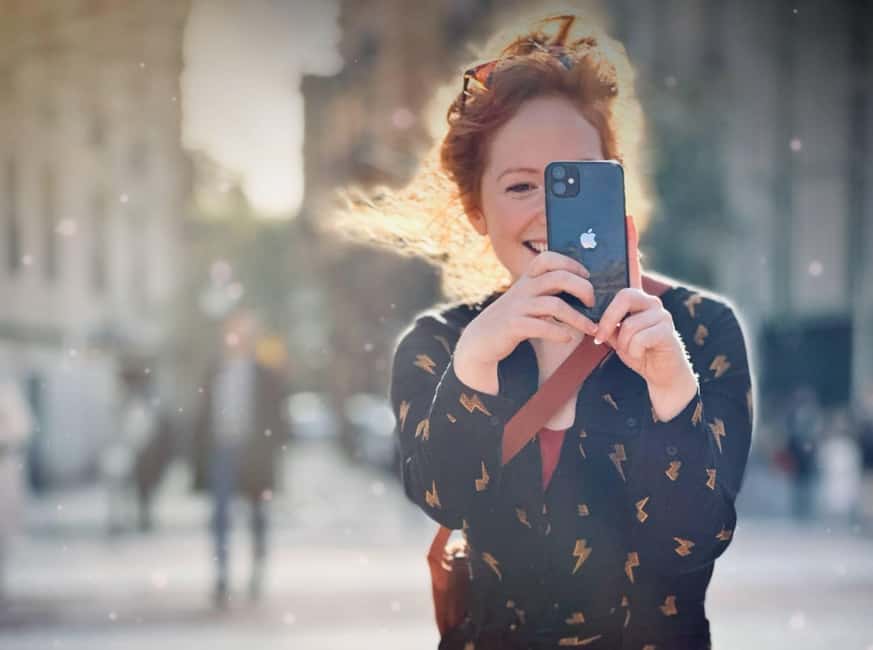
Many sightseeing photo experiences put you in front of the camera while someone else takes pictures. This one puts your phone in your hand and makes you responsible for the result.
That distinction matters. You learn how to make better pictures of your own family, friends, meals, buildings and street scenes long after the walk is over. The goal is not to leave with a few polished portraits supplied by a professional. The goal is to understand why one picture works better than another.
The teaching stays practical. You will work on framing, composition, angles and positioning, rather than spending time on aperture, ISO or shutter speed. That makes the class approachable for beginners, especially if you have always felt that your phone camera has more buttons and modes than you know how to use.
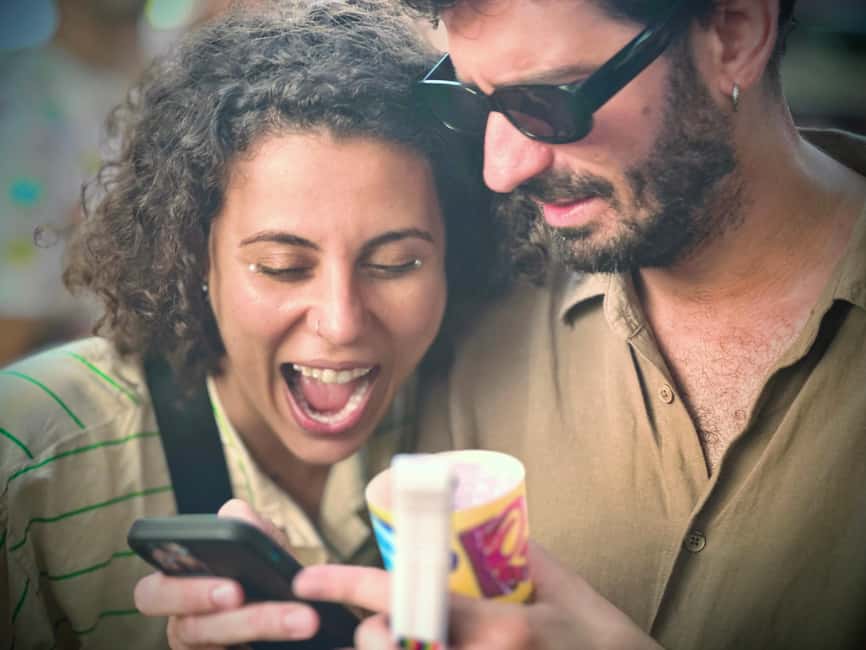
Onno’s approach, based on the way the class is taught, includes small challenges and hands-on exercises. You may be asked to try a playful pose, photograph a person in the street or shoot through a hole or opening. These tasks help you stop taking the same straight-on picture every time.
More Gothic Quarter walks:
- Barcelona in 1 Day: Sagrada Familia, Park Guell,Old Town & Pickup
★ 5.0 · 13,541 reviews - Barcelona all included: Sagrada, Park Güell, Montjuic & Gothic
★ 5.0 · 2,169 reviews - Barcelona: Sagrada Familia, Modernism, and Old Town Tour
★ 4.7 · 1,621 reviews
Meeting under the Arc de Triomf
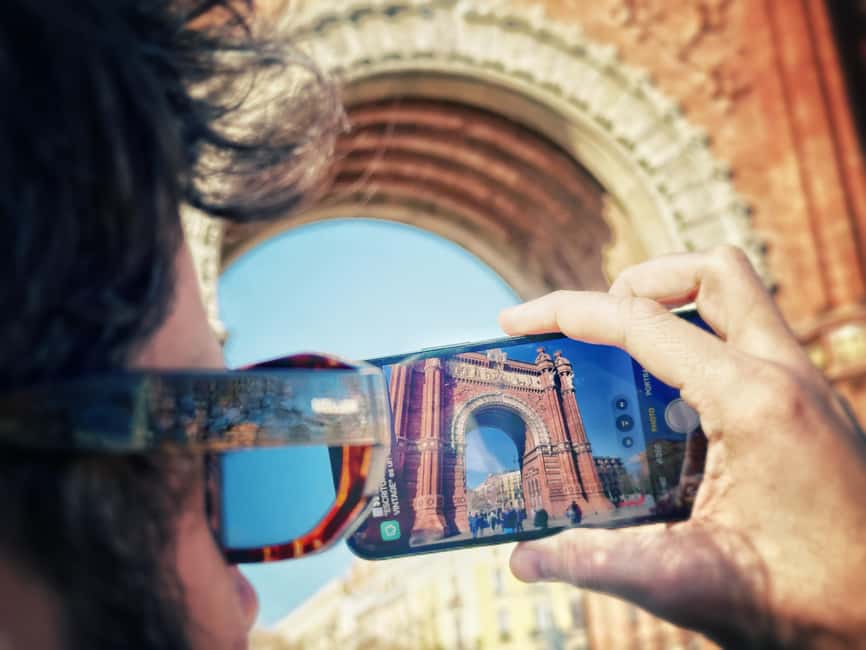
The class begins beneath the Arc de Triomf, where your instructor waits with a white umbrella. That clear marker should make the meeting point easy to find, even in a busy part of the city.
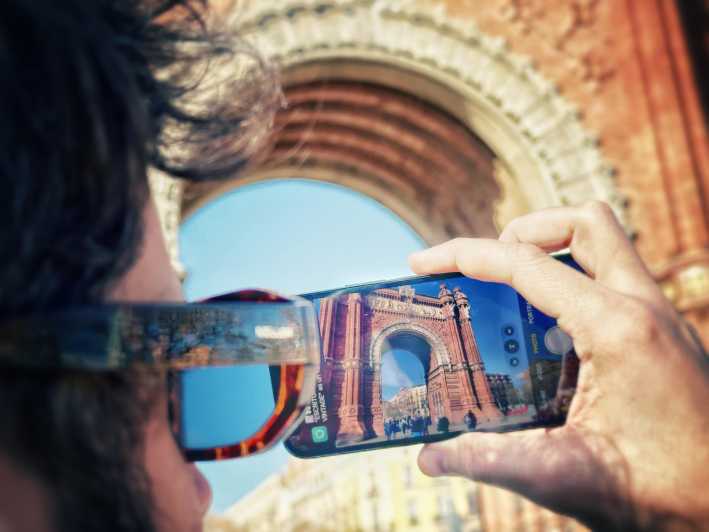
The arch is also a useful first lesson. Its strong lines, repeated shapes and open space give you an immediate subject for learning about framing. You begin by looking at how much of the scene belongs in the picture, where the subject should sit and how your position changes the result.
This early part is important because phone photography often encourages quick snapshots. A small step to one side, a lower viewpoint or a tighter crop can change the balance of an image. You do not need advanced controls to make those choices. You need to slow down for a few seconds before pressing the shutter.
Bring a fully charged phone. No separate camera is supplied, and you do not need one. The class can work with any smartphone, though the experience is better if your phone has a strong camera system and multiple lenses.
Using Ciutadella Park as your outdoor classroom
From the Arc de Triomf, the class continues into Ciutadella Park. This is where the lesson gets more visual and playful, since the park supplies several different subjects close together.
The massive fountain offers symmetry, water, stonework and layers of detail. The mammoth sculpture gives you a memorable subject for experimenting with scale and perspective. Palms, trees and other plants add texture and vertical lines, while the paths and open spaces let you compare wide views with tighter compositions.
You will not simply be told that one lens is wide and another is telephoto. You will see how each lens changes the picture. The lesson’s zoom-magic idea is especially useful on a phone because many people rely on the zoom slider without understanding what it does to the relationship between foreground and background.
A change in zoom can make a subject feel closer, flatter, larger or more separate from its surroundings. Moving your feet and choosing the right lens can often produce a better result than simply pinching the screen. This is one of the most useful skills for Barcelona, where grand buildings, narrow lanes and detailed stonework constantly compete for your attention.
The park section also gives you room to try different camera modes. The available modes will depend on your phone, but the class covers how to use the tools already in your pocket with more purpose. You are learning to make a choice, not just accept the default setting.
From park paths to medieval El Born
The route then moves into El Born, one of the old city’s medieval neighborhoods. Here the setting changes sharply from open parkland to narrow streets, courtyards and older buildings.
That change makes the second half of the class valuable. A technique that works beside a fountain may fail in a tight lane. In El Born, you can work with doorways, walls, balconies, arches and shifting lines. The neighborhood gives you more chances to think about how buildings guide the eye through a picture.
Architectural photography is not only about showing the entire building. You might find a stronger image by isolating a detail, using a doorway as a frame or letting lines lead toward a person or distant opening. The class teaches you to look for these options rather than taking the first view in front of you.
Street photography adds another layer. You learn to notice people, movement and ordinary moments without treating the old city as a collection of monuments only. The exercises are designed to get you actively searching for a scene, not waiting for a perfect postcard view to appear.
This section may be less comfortable for shy photographers. Pointing a phone toward a street scene can feel awkward at first, especially when you are asked to photograph people. The class is interactive, so you should be ready to try rather than simply listen.
A few more Barcelona options worth an hour of your trip
- Barcelona E-Bike Photography Tour
★ 5.0 · 843 reviews - Costa Brava: Kayak, Snorkel, Photos, Lunch, Beach & Cliff Jump!
★ 5.0 · 508 reviews - Barcelona: Sunrise Paddleboarding with Instructor and Photos
★ 4.8 · 391 reviews - Barcelona: Photo Shoot + Exclusive Video of the Best Moments
★ 4.9 · 256 reviews
Posing and taking better pictures of people
The class includes posing, which is useful for anyone who regularly takes vacation pictures of family or friends. A good location does not automatically create a good portrait. People can look stiff, poorly placed or lost against a busy background.
You practice simple ways to position a person and choose a cleaner setting. The emphasis is on what you can control quickly with a phone: where the person stands, how much space surrounds them and how the camera is held.
The playful side of the class helps here. Small posing tasks can make the process less formal, and they give you a way to guide someone without turning the picture into a forced studio portrait. You are also likely to learn that a person does not always need to face the camera directly.
This is not a model-training session, and it is not designed to produce a professional portrait portfolio. It is more useful for everyday photography: taking a better picture of a companion in front of a Barcelona building, making a group shot feel less crowded or finding an angle that keeps the background from taking over.
The editing lesson that improves ordinary pictures
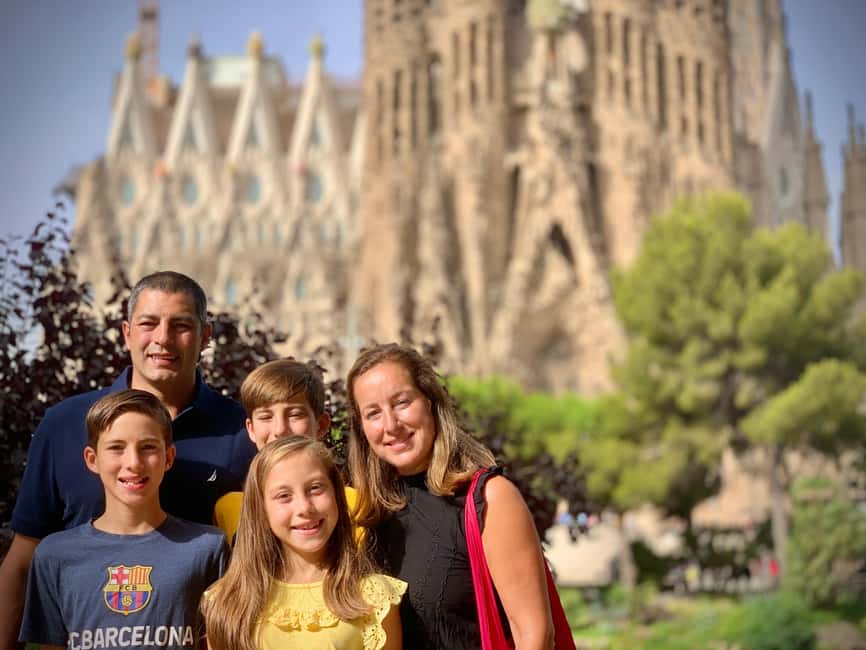
The class finishes with simple editing techniques on your phone, going over the final adjustments that can make a picture cleaner and more balanced.
The editing section matters because taking a good picture is only part of the job. You also need to decide which image is strongest and understand what makes it work. One of the more valuable skills covered is looking critically at the pictures you have taken instead of keeping every near-duplicate.
You may learn to compare images for composition, expression, distractions and overall clarity. That habit can save you from posting the first picture in your camera roll just because it was taken first.
The editing advice is intended to be quick and usable. You will not need a computer or specialist software. The point is to make sensible improvements directly on your phone, then stop before the picture looks overworked.
The final drink provides a relaxed setting for this wrap-up. The supplied details do not establish that the drink is included in the $28 price, so check the booking information if that matters to your budget.
What the $28 price gets you
At $28 per person, this is good value if you want more than a sightseeing walk. You receive an English-language photography lesson, a local route through the Arc de Triomf area, Ciutadella Park and El Born, practical exercises and editing guidance.
The real value is repeat use. A normal attraction ticket gives you access for one visit. A phone photography skill can improve pictures for the rest of your trip and at home. That makes the class particularly worthwhile near the beginning of your Barcelona stay, when you can use the techniques during later visits to markets, streets, museums and historic sights.
The price is less compelling if you already understand composition, phone lenses, posing and basic editing. In that case, the sightseeing route may still be pleasant, but the instruction could cover familiar ground.
No group size is provided, so you should not assume a private lesson or a small personal workshop. If individual attention is essential, check the current availability details before booking.
Who will get the most from this experience
This class is best for beginners and casual phone photographers who want clear advice without technical camera language. It also suits people who own an expensive phone but use only the basic camera button.
Families can take part, and bringing a baby is possible based on the way the activity has been handled. Keep in mind that you will be walking and stopping for exercises, so you should plan around your own family’s pace.
It also works well for couples and friends who want better vacation pictures of one another. The posing section can be more useful than a standard sightseeing talk because it deals with a common travel problem: how to take a natural-looking picture quickly.
The class may appeal to more experienced photographers too, especially if you have used a conventional camera but have not paid much attention to phone composition. One strong feature is the focus on visual decisions rather than technical settings. You may pick up useful ideas even if aperture and shutter speed are already familiar.
Timing, access and practical preparation
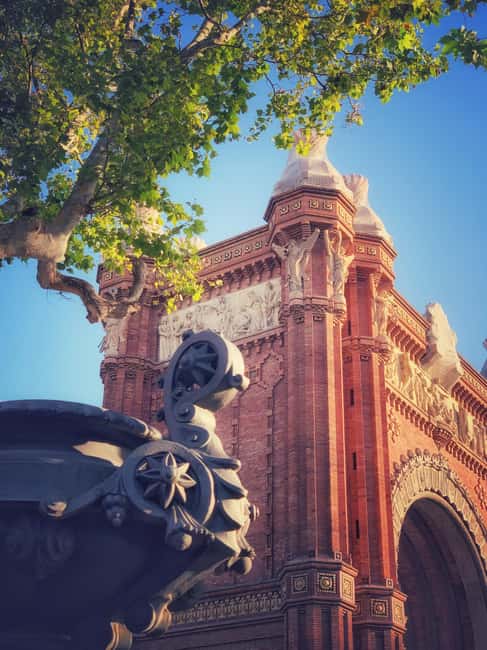
The activity lasts 2.5 hours, with starting times shown when you check availability. Since the walk includes a park and old-city streets, comfortable shoes are sensible, though specific footwear requirements are not stated.
The tour begins and ends at the Arc de Triomf meeting point. That makes it easy to plan another activity afterward, but you should allow a little time to leave the area and get oriented before making a tight reservation.
Instruction is in English. The activity is listed as wheelchair accessible, although the route includes outdoor park areas and medieval streets, so you may want to confirm route details if you need specific accessibility arrangements.
Charge your phone before arriving. This sounds basic, but two and a half hours of camera use, repeated practice and editing can use more battery than a normal walk. Clear some storage if your phone is nearly full.
The activity offers free cancellation up to 24 hours before the start for a full refund, and you can reserve now and pay later. Those terms are useful if your Barcelona schedule is still moving around.
What you should expect to learn
By the end, you should have a more deliberate approach to taking pictures. The class covers:
- Framing and composition
- Positioning and angles
- Posing people
- Camera modes
- Phone lens and zoom choices
- Street photography
- Building photography
- Selecting stronger images
- Simple editing
The most lasting lesson is likely to be composition. Phone cameras already handle many technical tasks for you, but no automatic mode can decide exactly what belongs in the frame or where you should stand.
You should also leave with a better sense of how to create a picture instead of merely recording a view. That means looking for openings, lines, layers, unusual angles and a cleaner background.
The class does not promise professional-level control over every phone camera. It also does not replace a full photography course for people who want to study manual settings. Its strength is making everyday phone photography easier, more thoughtful and more fun.
Should you book the Barcelona phone photography class?
Book it if you want a practical activity that combines sightseeing with a skill you can use for years. The route covers three very different settings, and the lessons move from basic framing to people, buildings, street scenes and editing without burying you in technical terms.
I would especially choose it early in a Barcelona visit. You can use the advice throughout the rest of your trip, which gives the $28 fee more value than a one-off photo stop.
Skip it if you want a professional to photograph you, if you dislike interactive exercises or if you already know your phone’s camera and editing tools well. For everyone else, this is a smart, hands-on way to see Barcelona and finally use more of the camera you already carry.
FAQ
How long does the Barcelona phone photography class last?
The activity lasts 2.5 hours. Starting times depend on availability.
How much does the experience cost?
The listed price is $28 per person.
Where does the class meet?
Meet the instructor beneath the Arc de Triomf. The guide waits with a white umbrella.
Where does the activity finish?
The class ends back at the Arc de Triomf meeting point.
Which places does the class visit?
The route includes the Arc de Triomf area, Ciutadella Park and the medieval streets and courtyards of El Born.
Is a camera provided?
No. Bring your own charged smartphone.
Can Android users join?
Yes. The class is suitable for any smartphone, though it is better suited to iPhones and higher-end Android phones.
What language is the class taught in?
The instructor teaches in English.
Can I cancel for a refund?
You can cancel up to 24 hours in advance for a full refund. Reserve now and pay later is also available.
Just added around Barcelona
- GoCar Full Day Tour★ 4.0 · 6 reviews
- Sagrada Familia and Barcelona Highlights: Private Guided 4-Hour Driving Tour★ 5.0 · 6 reviews
- Barcelona: Highlights & Gems Private Tour with Tapa & Drink★ 3.9 · 6 reviews
- Gothic Quarter and Born District: Photographic Workshop★ 5.0 · 6 reviews
- Gobbi Yacht Rental in Barcelona 9 Pax 2/4/8hs★ 5.0 · 6 reviews
- Barcelona: Gothic Quarter & La Sagrada Familia Private Tour★ 4.9 · 6 reviews
- Private Sailboat Ride at Sunset from Sitges★ 5.0 · 6 reviews
- Barcelona: Private Tour of Casa Batllo with Reserved Access★ 3.5 · 6 reviews
Gothic Quarter Walking Tours, compared.
Barcelona in 1 Day: Sagrada Familia, Park Guell,Old Town & Pickup
Read our review →
Barcelona all included: Sagrada, Park Güell, Montjuic & Gothic
Read our review →
Sagrada Familia, Modernism, and Old Town Tour
Read our review →
Barcelona Gothic Quarter Tapas & Taverns Food & Wine Tour
Read our review →
Gothic Quarter Ghosts and Legends Walking Tour
Read our review →
Barcelona Helicopter, Sailboat & Old Town Private Walking Tour
Read our review →
Barcelona Old Town & Gothic Quarter Small Group Tour
Read our review →Browse the lists this tour appears in