
Reviewed · HISTORICAL TOURS
Girona: Jewish Heritage Guided City Tour and Museum Visit
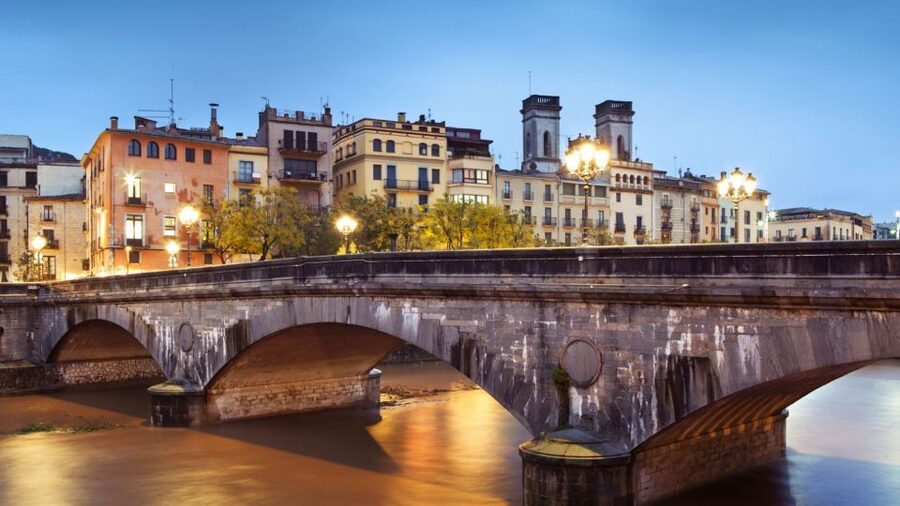
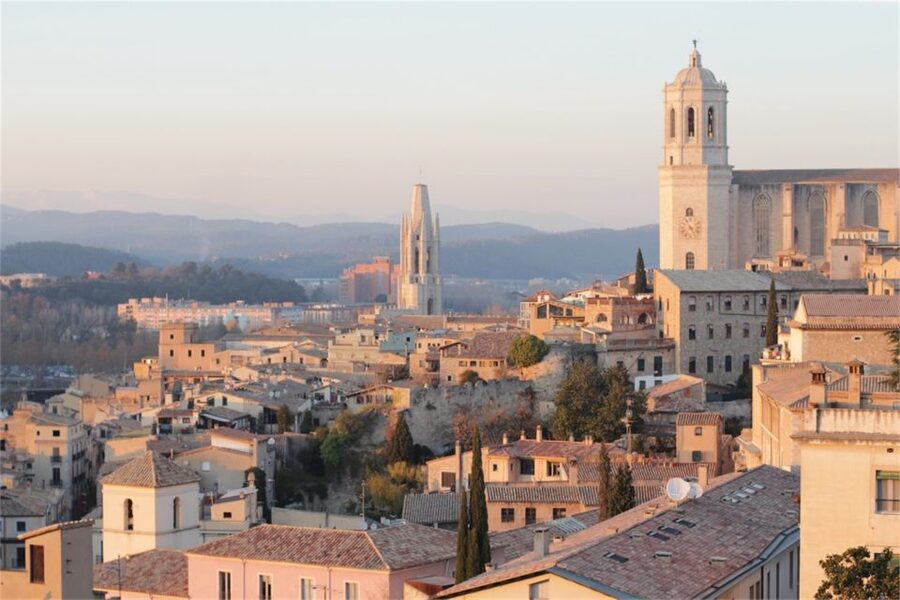
Girona’s Jewish Quarter, known as the Call, is not a staged historical exhibit. It is a maze of old stone lanes in the center of the city, where the shape of medieval life still comes through in the tight streets, houses, and surviving remains. This tour connects those physical details with the Jewish community that once lived here.
I like the small group of up to 10 people, which gives you a better chance to ask questions. I also like the pairing of a walking tour with the Museum of Jewish History, since the streets show you where life happened and the museum fills in the customs, tools, and beliefs behind what you see. The main drawback is the pace: one guide, Julie, was praised for her content but spoke quickly, and another participant wished for a microphone.
In This Review
- Key points to know before booking
- Why Girona’s Call deserves a closer look
- Meeting beside Plaça de Sant Feliu
- The first hour: Girona’s old town and the Call
- The medieval Call and its three synagogue sites
- Forty-five minutes inside the Museum of Jewish History
- Guides who make the difference
- Is $53 a fair price?
- Who will get the most from this tour?
- How to fit it into a Girona day
- Should you book the Jewish Heritage Tour?
- FAQ
- How long does the Girona Jewish Heritage Tour last?
- Where does the tour meet?
- What languages are available?
- How many people are in each group?
- Is museum admission included?
- Is the tour suitable for wheelchair users?
- Can I cancel for a refund?
Key points to know before booking
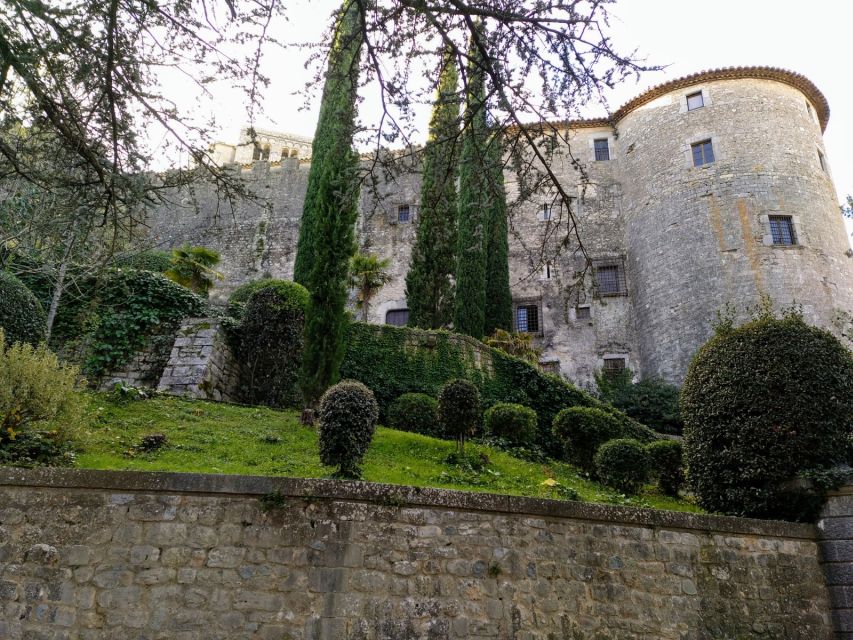
- Walk through the medieval Call: See one of Europe’s best-preserved Jewish quarters through its narrow, cobbled lanes.
- Visit three former synagogue sites: The guide points out where Girona’s synagogues once stood.
- Meet Nahmanides’ hometown: Learn about the Girona-born rabbi, physician, philosopher, and Kabbalist.
- Spend 45 minutes in the museum: The Museum of Jewish History gives useful context about daily life and the community’s traditions.
- Expect a personal tour: Groups are limited to 10, and guides such as Mike, Ona, Carolina, Monica, Pete, and Azul have received especially strong praise for their storytelling and conversation.
- Plan for uneven walking: Comfortable shoes are essential, and the experience is not suitable for wheelchair users.
Why Girona’s Call deserves a closer look
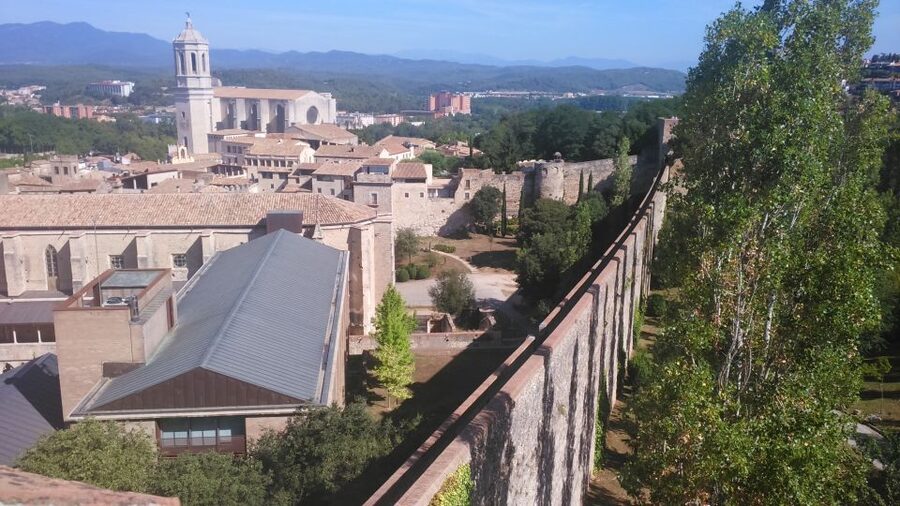
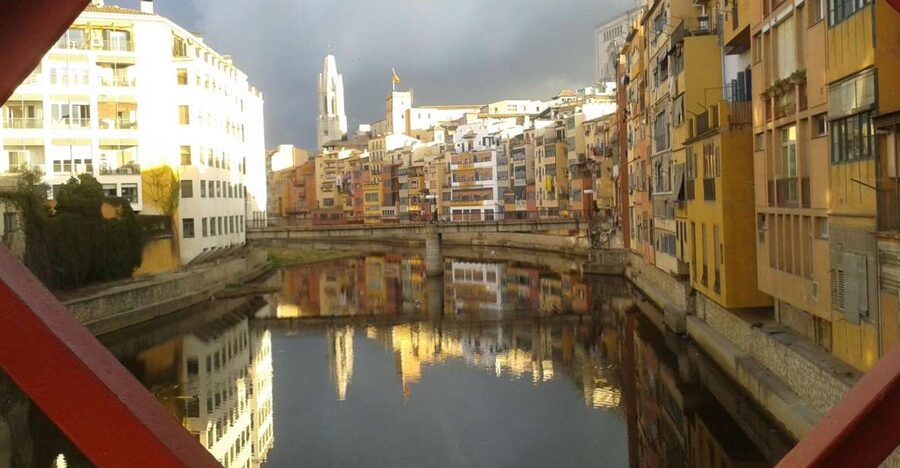
Girona is often treated as a quick stop between Barcelona and the Costa Brava. That is a shame. The old center gives you a chance to see how several centuries of city life were built layer upon layer, and the Jewish Quarter is one of its most memorable sections.
During the Middle Ages, about 1,000 Jewish people lived in Girona. That made the community an important part of Spain’s Jewish story, not a minor neighborhood on the edge of town. The tour helps you picture that community as a functioning society, with homes, places of worship, customs, work, study, and family life.
I appreciate that the experience begins with Girona’s wider old town before narrowing its attention to the Call. That approach matters. Without some city context, the Jewish Quarter can seem like a pretty collection of lanes. With a guide, the stones become clues to how people lived and how the city changed.
The subject also carries a difficult ending. The tour explains the expulsion of Jewish people from Spain in 1492, which ended roughly 600 years of coexistence in Girona. The guide’s job here is not only to point out attractive medieval corners, but to explain what disappeared and why that loss still matters.
More Guided Tours in Girona
- Montserrat, Girona & Costa Brava Guided Day Trip from Barcelona
★ 5.0 · 5,128 reviews - Barcelona: Montserrat, Girona & Costa Brava Guided Day Trip
★ 4.7 · 1,455 reviews - From Barcelona: Girona Guided Tour & Dalí Museum in Figueres
★ 4.5 · 339 reviews
Meeting beside Plaça de Sant Feliu
The meeting point is at Plaça Sant Feliu, beside The River Caffe in Girona city. This is a useful central location, but take a moment to match the place name carefully with your booking details. Some information also lists Carrer d’En Jaume Pons Martí, 30Acc as a starting or ending location, so I would check the exact instructions before setting out.
The tour does not include hotel pickup. You need to reach the square on your own, and the activity finishes at either Plaça de la Independència or the listed Carrer d’En Jaume Pons Martí location. Since the route is on foot, this is best scheduled when you are already spending time in Girona’s old center.
Guides speak English or Spanish. The group limit of 10 makes this more intimate than a large city walk, and it can make a real difference in a topic that often leads to questions. Mike, Ona, Carolina, Monica, Pete, and other guides have been praised for clear explanations, warmth, humor, and the ability to engage children, teenagers, and adults.
There is one practical audio warning. Several guides have been praised for strong communication, but one participant found the pace fast, and another suggested a microphone. If you have hearing difficulties, stay near the guide and ask for important points to be repeated.
The first hour: Girona’s old town and the Call
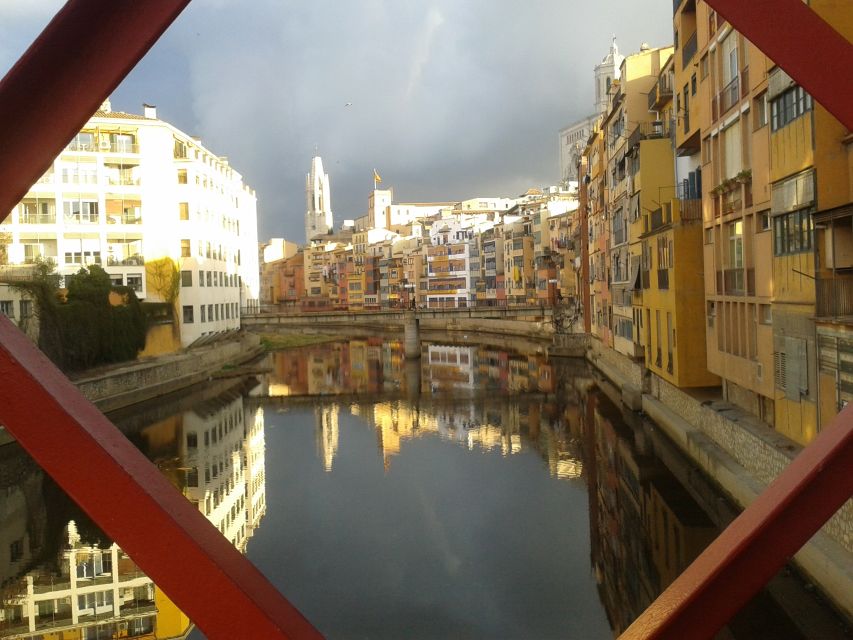
The first part lasts about an hour in Girona’s Barri Vell, or old quarter. Rather than rushing straight to a list of Jewish sites, your guide sets the scene with Girona’s Roman and medieval remains.
That wider introduction is one of the tour’s strengths. It places the Call inside a real city, not behind an invisible historical wall. You begin to see how the old streets, buildings, and routes shaped daily contact between different communities.
The walking itself is part of the lesson. Girona’s medieval lanes are narrow and cobbled, with turns and changes in level that reward slower movement. You should wear comfortable shoes, not your most stylish but least supportive pair. The route is not suitable for wheelchair users, and anyone who finds uneven walking difficult should think carefully before booking.
The guide then brings the focus toward the Call. Here, the value of a local interpreter becomes clear. A guide can explain why a small passage matters, connect a building to the neighborhood’s past, and point out details you could easily pass without noticing.
The best guides appear to make the material conversational. Mike has been praised for humor and for answering questions in English that included Hebrew and Arabic. Carolina has been noted for inviting dialogue rather than delivering a fixed speech. Ona has also been praised for adjusting to the group, including families with teenagers.
The medieval Call and its three synagogue sites
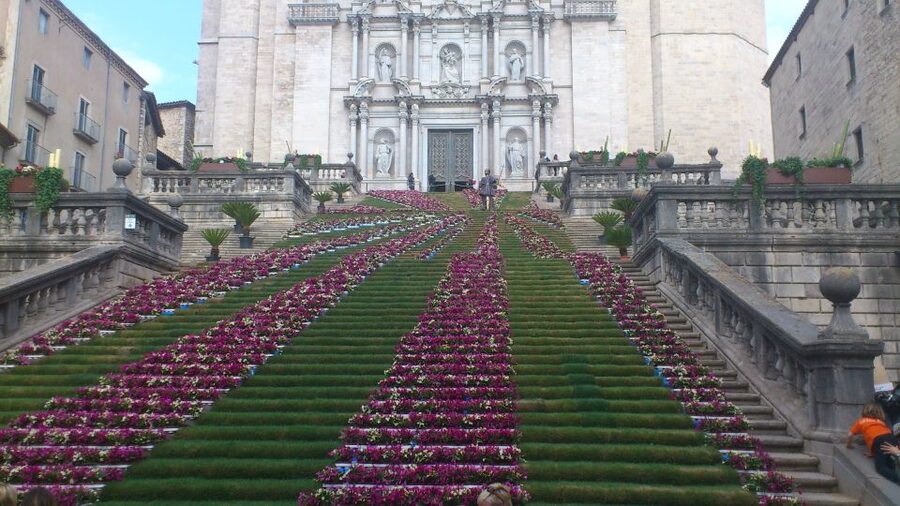
The second guided section lasts about an hour and concentrates on El Call, Girona’s Jewish Quarter. This is the heart of the experience.
You walk through the labyrinth of streets while learning about the Jewish people who lived here, their customs, traditions, household tools, and homes. The guide does not simply describe the quarter as old. You get an explanation of how the neighborhood functioned and what evidence remains.
The three former synagogue locations are a particularly useful part of the walk. You will not be visiting three active synagogues. Instead, the guide identifies the places where Girona’s synagogues once stood and explains their role in the community. These stops help translate a broad historical account into specific points on the map.
This is also where the story of Nahmanides comes into focus. Girona was his hometown. He is presented as a major medieval rabbi-philosopher, physician, Sephardic rabbi, and Kabbalistic thinker. If Jewish intellectual history interests you, this connection gives the city unusual importance. If the subject is new to you, the guide provides a human figure around whom the wider story can gather.
I would not book this tour expecting a preserved synagogue interior or a single dramatic monument. Its appeal is subtler. The Call is experienced through its street plan, former sites, surviving structures, and the explanations that tie them together.
That can be more rewarding than a quick photograph, but it also means your attention matters. Listen closely, ask questions, and allow the guide to point out what is not immediately obvious. The walking portion is strongest when you treat the quarter as an historical document.
More Girona days from Girona:
- Girona & Costa Brava Small-Group Tour with Pickup from Barcelona
★ 5.0 · 6,955 reviews - Girona & Dali Museum Small Group Tour with Pick-up from Barcelona
★ 5.0 · 2,965 reviews - From Barcelona: Girona, Figueres, Dalí Museum, and Cadaqués
★ 4.7 · 1,928 reviews - From Barcelona: Girona and Dalí Museum Small-group Day Tour
★ 4.7 · 1,592 reviews
Forty-five minutes inside the Museum of Jewish History
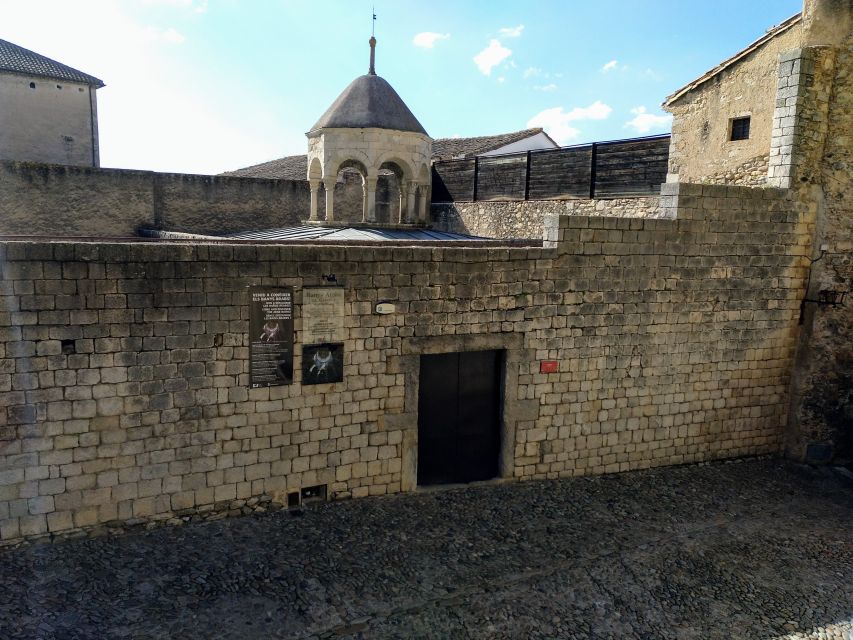
The museum visit lasts about 45 minutes and gives the tour a needed change of rhythm. After walking through the streets, you move indoors to learn more about the community’s way of life.
The museum is described as occupying the site of the last synagogue before the expulsion of 1492. That makes the visit especially meaningful. The building and exhibits connect the physical Call with the community’s religious and social life.
Inside, the guide explains customs, traditions, tools, and domestic arrangements. This helps answer questions the streets alone cannot answer. How were homes designed? What objects supported daily life? How did religious practice fit into the community? The museum provides a clearer framework for those subjects.
I particularly value the guided aspect of the museum visit. You are not simply given admission and left to read labels alone. Monica, for example, stayed in the museum to answer questions, and other guides have been praised for explaining the exhibits thoroughly. That is important because a small museum can contain more detail than you can easily sort through on your own.
The 45-minute visit is also a reasonable length. It gives you time to absorb the displays without turning the entire afternoon into a museum marathon. Still, anyone who wants a long, independent museum visit should know that this experience is built around a guided overview, not several hours of free exploration.
The museum also brings the 1492 expulsion into sharper focus. On the streets, the ending can feel distant. In the museum, the community’s way of life comes first, making the later rupture easier to understand as the loss of actual homes, practices, institutions, and relationships.
Guides who make the difference
The tour’s strongest feature is not a particular street or display. It is the person leading you through them.
The guides have different styles. Mike has been praised repeatedly for lively explanations, humor, strong English, and skill with groups ranging from children to adults. He appears especially suited to people who already know something about Jewish sources and want to ask detailed questions.
Ona has received warm praise for her calm, friendly approach and ability to tailor a tour to the group. She has also handled practical problems kindly, including helping a late-arriving participant who had missed a train. Carolina has been noted for storytelling, Spanish history, and encouraging discussion.
Monica has been praised for clear communication before the tour, including confirming the meeting place, and for strong explanations inside the museum. Pete has been described as friendly and engaging, with an ability to bring Girona’s past to life.
These names are useful because guide assignments can vary. You cannot necessarily request a particular person, so book this experience for its format and subject rather than assuming you will receive one specific guide. Still, the repeated praise for different guides suggests that the provider has several strong presenters.
A few small cautions are worth keeping in mind. One participant found a guide’s speech too fast at first. Another felt disappointed when a guide had to leave a little early. A microphone would also help in a noisy street or for anyone who struggles to hear. These are not reasons to dismiss the tour, but they are good reminders to speak up if you need a slower pace or clearer sound.
Is $53 a fair price?
At $53 per person, the price is reasonable if you want more than a self-guided walk. It covers a 2.5-hour experience, an expert guide, the walking tour, and admission to the Museum of Jewish History.
The value comes from the combination. A museum ticket alone would not show you where the three synagogues stood or explain how the Call fits into Girona’s old town. A free walk through the lanes would give you atmosphere but not the same detail about customs, tools, houses, Nahmanides, or the expulsion.
The small group makes the price easier to justify. With no more than 10 participants, you have a better chance to hear the guide and ask questions. Some sessions may be even smaller. One booking became a private tour because no other participants had signed up, though you should not count on that happening.
This is not the right purchase if you only want to photograph Girona’s prettiest streets or if you have little interest in Jewish history. The walking route overlaps with places you can see independently, and the city center is easy to explore on your own. You are paying for interpretation, structure, museum admission, and conversation.
Free cancellation up to 24 hours before the start and the option to reserve now and pay later reduce the risk of fitting it into a changing itinerary. Food, drinks, and hotel transport are not included, so allow for those costs separately.
Who will get the most from this tour?
I would recommend it most strongly to:
- People with a family connection to Sephardic or Spanish Jewish history
- Anyone interested in medieval religion, culture, and city life
- First-time visitors who want context before exploring Girona alone
- Families with older children or teenagers who respond well to stories and questions
- Visitors who prefer a small group rather than a large scripted walk
- People who want both outdoor sightseeing and a museum visit
The tour can work for different levels of background. You do not need to arrive as an expert. At the same time, the format appears to reward participants who have some familiarity with Jewish history and are ready to ask specific questions.
Families should find the subject accessible when the guide uses stories and local details. Mike and Ona have been praised for engaging younger participants and teenagers. If your group includes children, remind them that this is a history-focused walk, not an entertainment tour with activities.
Anyone with mobility concerns should be cautious. The cobbled streets and historic lanes are part of the appeal, but the experience is not suitable for wheelchair users. Comfortable shoes are a must for everyone.
How to fit it into a Girona day
The 2.5-hour length makes this easy to place in a wider Girona visit. You can use it as a morning activity and continue exploring afterward, or schedule it before an evening meal in the center.
I would avoid booking it when you need to catch a tight train immediately afterward. The walking route, museum visit, and group pace can take the full stated time, and the experience ends at a listed drop-off point rather than your hotel or station.
Arrive with enough time to find Plaça Sant Feliu and The River Caffe. The central old town can be confusing at first, especially if you are following a phone map through small lanes. Comfortable shoes, water, and a willingness to listen closely are more useful than a packed sightseeing plan.
If you already plan to explore the Barri Vell independently, this tour can serve as your historical foundation. Afterward, you will be better prepared to revisit the Call at your own pace and notice the details the guide introduced.
Should you book the Jewish Heritage Tour?
Book this tour if you want Girona’s Jewish Quarter explained rather than simply photographed. The strongest reasons are the small group, the visit to the Museum of Jewish History, the focus on three former synagogue sites, and the connection to Nahmanides.
I would especially choose it for a first Girona visit, a family-history trip, or a day when you want a thoughtful look at the city’s medieval past. The 4.8 score from 124 ratings supports the overall quality, and the repeated praise for guides including Mike, Ona, Carolina, Monica, and Pete is encouraging.
Skip it if you dislike walking on cobbles, need wheelchair access, or want a completely independent museum visit. Also think twice if you are interested only in architecture and have no patience for historical explanation.
For most curious visitors, $53 buys a useful two-part experience: the Call gives you the setting, and the museum gives you the evidence. That combination makes Girona’s Jewish past easier to understand and much harder to overlook.
FAQ
How long does the Girona Jewish Heritage Tour last?
The tour lasts 2.5 hours. The itinerary includes about one hour in Girona’s Barri Vell, one hour in El Call, and 45 minutes at the Museum of Jewish History.
Where does the tour meet?
Meet the guide at Plaça Sant Feliu, beside The River Caffe in Girona city.
What languages are available?
The live tour is offered in English and Spanish.
How many people are in each group?
The group is limited to 10 participants.
Is museum admission included?
Yes. Entrance to the Museum of Jewish History is included in the price.
Is the tour suitable for wheelchair users?
No. The activity is not suitable for wheelchair users, and comfortable shoes are recommended for the cobbled walking route.
Can I cancel for a refund?
Yes. You can cancel up to 24 hours before the activity for a full refund. You can also reserve now and pay later.
More Historical Tours in Girona
- Girona History and Legends Tour Small Group from Girona
★ 5.0 · 299 reviews - Girona History, Legends, and Food Walking Tour with food tasting
★ 5.0 · 195 reviews - Girona Jewish Heritage small group from Girona
★ 4.5 · 68 reviews - Private: Girona and Besalu Jewish History Tour from Girona
★ 5.0 · 16 reviews
More Museums Worth an Hour
- Girona and Dali Museum Full Day tour from Barcelona
★ 4.5 · 996 reviews - From Barcelona: Private Girona and Figueres with Dali Museum Tour
★ 5.0 · 113 reviews - Girona, Figueres, Dalí Museum and Cadaqués Tour from Barcelona
★ 4.5 · 36 reviews - Dalí 2 Museums, Figueres and House of Portlligat small group from Girona
★ 4.5 · 29 reviews
Just added around Girona
- Besalú, Banyoles Lake & Volcanic Castellfollit from Girona★ 5.0 · 6 reviews
- Dalí & Wine | Premium Private Tour with Coastal or Girona Add-On★ 5.0 · 6 reviews
- Private Andorra or Pyrinees Ski / Snowboard Tour Day trip★ 5.0 · 6 reviews
- From Girona: Dalí Museum and Girona Small Group Tour★ 4.8 · 7 reviews
- City Explorer: Girona Private Day Trip★ 5.0 · 7 reviews
- Dalí Triangle & Cadaqués Day-Trip From Girona★ 5.0 · 7 reviews
- Olot: Espai Cràter Volcanology Center Entry Ticket★ 4.7 · 7 reviews
- Private tour: Dali Museum and Girona from Barcelona★ 5.0 · 7 reviews
Historical Tours, compared.
Tapas Walking Tour with Food, Wine, and History
Read our review →
Barcelona Tapas Walking Tour: Food, Wine & History
Read our review →
Barcelona Erotic Museum – Explore Art, History & Fun
Read our review →
Andorra Original History and Sightseeing Tour (Private, Pickup)
Read our review →
Tarragona and Sitges Small Group Tour – Roman History & Culture
Read our review →
Girona History and Legends Tour Small Group from Girona
Read our review →Browse the lists this tour appears in