
Reviewed · VIA FERRATA AND CLIMBING
Via ferrata de Sant feliu de guíxols – Via ferrata cala del molí
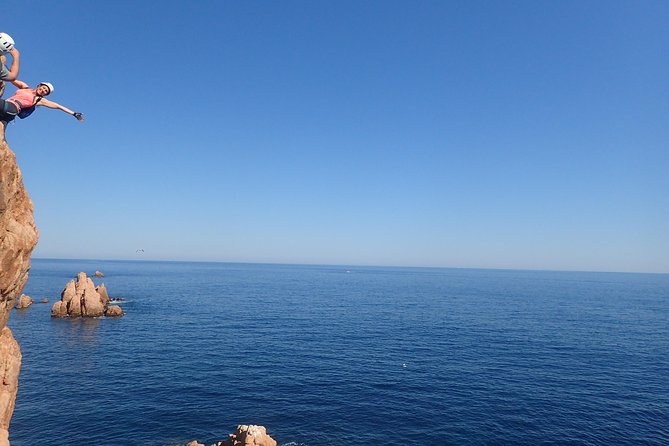
The unusual part comes first: Cala del Molí is built entirely over the sea, with iron rungs and bridges fixed to the cliffs above Costa Brava coves. You move with a safety system clipped to the route while waves break below, so the setting feels more like a cliffside adventure than an ordinary climbing course. I like the spectacular views and the fact that beginners can take part without prior climbing experience.
I also like the small maximum group of eight, which gives guides room to help with technique and nerves. Cristina, Pepo, Eva, Javi, and Kim are among the guides named by past participants, and the activity includes photos sent by WhatsApp. The main consideration is physical effort: the first section is manageable for someone in fair shape, while the second half is considerably harder and is not a good match for anyone uneasy with heights or out of shape.
In This Review
- Key points to know before you climb
- A via ferrata with the Mediterranean under your feet
- Starting at Carrer de Sicília at 9:00 a.m.
- The first section: an approachable introduction to cliff climbing
- The harder second half and the choice to continue
- How the guides shape the experience
- Safety, fitness, and the fear-of-heights question
- Photos, pacing, and the three-hour timetable
- Is $42.05 good value?
- Who should book Cala del Molí?
- Booking and cancellation details
- My recommendation
- FAQ
- Where does the Cala del Molí via ferrata begin?
- What time does the activity start?
- How long does the via ferrata take?
- Do I need previous climbing experience?
- Is climbing equipment included?
- Can I cancel for a full refund?
Key points to know before you climb
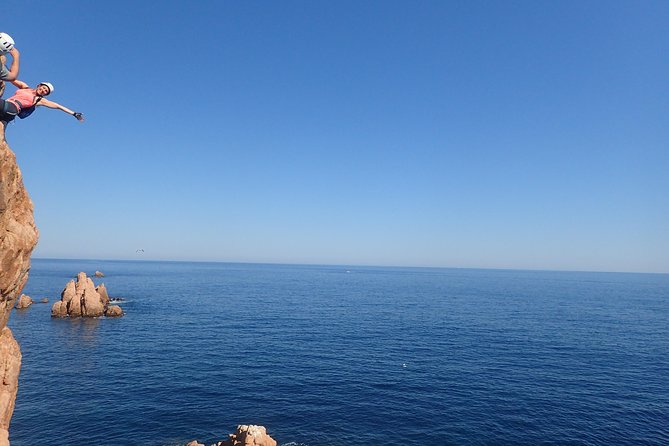
- The route hangs above the Mediterranean: You cross iron steps, ladders, bridges, and exposed cliff sections with the sea below.
- The course has two levels of effort: The first part is easier, while the second asks more from your upper body and confidence.
- No climbing background is required: Your qualified guide provides instructions and certified safety equipment.
- Small groups matter here: The outing is limited to eight people, allowing the guide to set a comfortable pace.
- Photos are included: Your guide takes pictures during the activity and sends them through WhatsApp.
- The meeting point is in Sant Feliu de Guíxols: The experience lasts about three hours and begins at 9:00 a.m.
A via ferrata with the Mediterranean under your feet
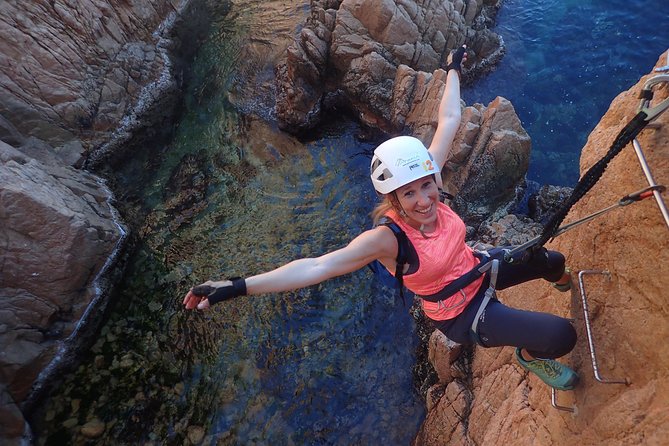
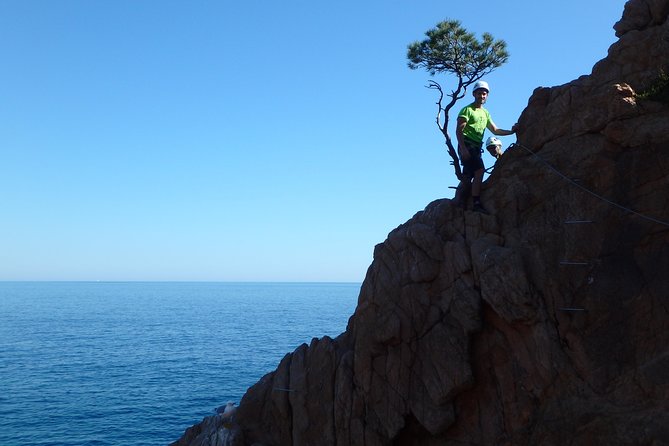
A via ferrata lets you travel along rock faces using fixed iron equipment. At Cala del Molí, that idea is given a dramatic Costa Brava setting. The route follows the cliffs around the cove, with metal steps, ladders, bridges, and exposed sections placed above the water.
You are not free-climbing the rock. You stay attached to certified safety equipment as you move from one section to the next. That makes the activity possible for beginners, but it does not make it effortless. You still need to climb, balance, grip, and stay focused while looking down at the sea.
The views are a major part of the appeal. You see the Mediterranean from angles that are difficult to reach on a normal coastal walk. Turquoise water, unusual rock walls, and small coves appear below and around you, while the sound of the waves adds a little drama to every exposed crossing.
I would choose this experience for someone who wants more than a viewpoint or a boat ride. It combines a physical challenge with a close look at the coastline, and the setting keeps changing as you progress along the route.
More Figueres trips:
- From Barcelona: Girona, Figueres, Dalí Museum, and Cadaqués
★ 4.7 · 1,928 reviews - Figueres: Dalí Theatre-Museum Entry Ticket
★ 4.7 · 802 reviews - Costa Brava – Kayaking and Snorkeling “Sea Caves” Tour
★ 5.0 · 567 reviews
Starting at Carrer de Sicília at 9:00 a.m.
The meeting point is Carrer de Sicília, 17220 Sant Feliu de Guíxols, in Girona province. The activity starts at 9:00 a.m. and finishes back at the same meeting point. The tour information identifies Figueres as the wider location, but the actual start is in Sant Feliu de Guíxols, so check your route carefully before setting out.
Public transportation is available near the meeting point, but private transport is not included. Meals are not included either. Plan to arrive ready for the three-hour activity rather than expecting a full-day excursion with transfers or lunch.
Once the group is together, the guide supplies the climbing equipment and explains how to use it. You do not need previous experience, and the instructions are intended for people starting from scratch. The guide’s role is especially important here because the route includes exposed areas, changes in difficulty, and sections where the safest pace is not the fastest one.
Guides named in the feedback include Cristina, Pepo, Eva, Javi, and Kim. You should not assume that a particular person will lead your date, but the consistent pattern is clear: the guide is expected to watch the group closely, explain technique, and help you keep moving without feeling hurried.
The first section: an approachable introduction to cliff climbing
The route is commonly described as having two parts. The first is the easier half, although easier does not mean flat or relaxed. You still use iron footholds and handholds, cross exposed sections, and work your way above the water.
This is the part I would recommend for someone with a normal level of fitness who wants an adventure but is unsure about committing to a harder climbing route. You get time to understand the safety system and learn how to place your feet before deciding how far to continue.
The guide sets the pace for the group. That matters because people handle heights differently. Some will move quickly once they understand the equipment, while others need a pause before crossing a bridge or stepping around a rock face. A small group makes these adjustments easier.
The first section also provides the coastal views without demanding the full physical effort of the route. If you are reasonably fit and comfortable trying something new, this portion may give you exactly the right balance of challenge and scenery.
The harder second half and the choice to continue
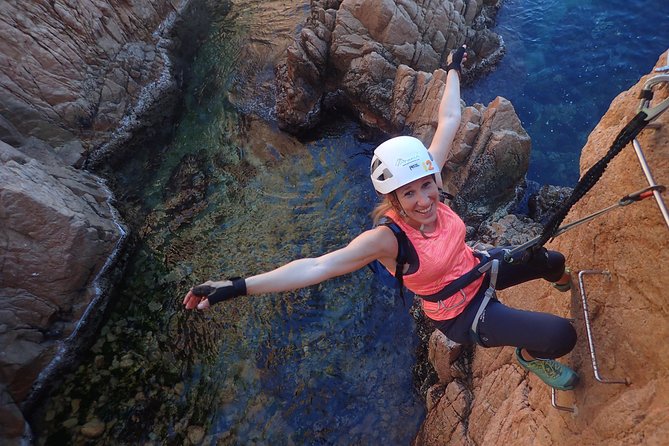
The second half is more strenuous and calls for more upper-body strength and confidence. The route remains secured, but you should expect more work from your arms and a greater sense of exposure.
I would think carefully before choosing the full route if you are not used to physical activity. The supplied information specifically advises against this experience for people in poor physical condition and for anyone with a fear of heights. That is not a minor warning. You are above the sea, and some sections can feel demanding even when the safety system is doing its job.
The guides can help you judge your ability as you go. One participant described doing the first loop twice instead of the full loop because protected birds were nesting at that time of year. That is a useful reminder that the exact route can change for environmental reasons, and the guide may adapt the plan while keeping the activity worthwhile.
If you do continue, the reward is more exposure and more of the unusual coastal setting. You should choose the second section because you want the extra physical test, not because you feel pressured to complete every metre.
More via ferrata and climbing days:
- Costa Brava: Via Ferrata Cala del Molí
★ 4.5 · 107 reviews - Sant Feliu de Guixols: Climb Via Ferrata Cala del Molí
★ 5.0 · 253 reviews - Rock Climbing Barcelona
★ 5.0 · 18 reviews - Full-day Guided Rock Climbing Trip in Montserrat, Barcelona
★ 5.0 · 9 reviews
How the guides shape the experience
A good guide is essential on a via ferrata. The guide does more than lead the way. You need clear instructions, steady pacing, help with body position, and someone watching for hesitation or fatigue.
Cristina is repeatedly singled out by name for being patient, attentive, and good at keeping the group moving. Pepo is described as friendly and careful about safety, while Kim is noted for giving instructions in both English and Spanish. The experience is offered in English, but the guide may also use Spanish when useful.
That mix of instruction and encouragement makes the activity more approachable. You are not simply handed equipment and sent onto the cliff. The guide stays involved, checks that everyone feels comfortable, and explains how to handle the route.
The small group limit of eight is a real advantage. On a larger outing, a nervous climber might wait while a long line forms ahead. Here, the guide has a better chance to give individual help and keep the group together.
A practical touch also appeared in the feedback: Kim stored suitcases in his car for one group. Do not treat that as a guaranteed service, but it suggests that the guides may be willing to help with sensible problems when possible. Ask before relying on it.
Safety, fitness, and the fear-of-heights question
You do not need climbing experience, but you do need a normal level of fitness and a willingness to work. The activity involves sustained movement along iron equipment, and the second section is especially demanding.
The biggest question is not simply, Can I climb? It is, How do I react when the ground is far below me? The route is exposed, and the sea is part of the visual experience. If heights make you freeze, this is probably the wrong activity.
The safety equipment reduces the risk, but it does not remove the sensation of exposure. You will still need to make each movement yourself. Comfortable shoes and practical outdoor clothing are sensible choices, though the supplied details do not specify a required dress code.
The activity is also weather-dependent. Poor weather can lead to a new date or a full refund. That is appropriate for a route above the sea, where conditions affect both comfort and safety.
Photos, pacing, and the three-hour timetable
The total duration is about three hours. That includes the route and the guide’s instructions, so you should not expect three continuous hours of climbing. The pace is designed to let the group learn the system, move safely, and stop when needed.
Photos are included. Guides take pictures during the experience and send them to the group through WhatsApp. This is useful because taking your own phone out on an exposed route is not always practical, and you can concentrate on the climbing instead of trying to document every bridge.
The unhurried pace is another strength. A via ferrata is less enjoyable if you are pushed through the route before you feel ready. At the same time, you should be prepared for a proper workout, especially if you stay for the more strenuous section.
Allow yourself a relaxed afternoon afterward. One couple in their fifties described the experience as a personal challenge and suggested planning an easier activity for the following day. That is sensible advice if you are not accustomed to upper-body exercise.
Is $42.05 good value?
At $42.05 per person, this is a strong value for a guided three-hour activity in one of the Costa Brava’s most striking coastal settings. The price includes a qualified guide, climbing equipment, insurance, and photos.
You are paying for more than access to a route. The equipment and instruction make a specialized activity available without requiring you to own climbing gear or arrange a separate guide. Insurance is included as well, which is important for an activity involving exposed rock and fixed metal sections.
The value is best for you if you want an active experience and would otherwise need to organize transport, equipment, and instruction separately. It is less suitable if you mainly want a quiet coastal outing. You could see the Costa Brava in cheaper ways, but few options place you directly above the water and provide this level of guided support.
Private transportation and meals are not included. Since the activity begins and ends at the Sant Feliu meeting point, you need to arrange your own way there and back. That is the main extra cost to consider.
Who should book Cala del Molí?
I would recommend it to:
- First-time climbers who have a normal level of fitness
- Active couples, friends, and families with older participants who meet the physical demands
- People who want an unusual way to see the Costa Brava
- Anyone comfortable with heights and exposed coastal routes
- Visitors who value a small group and direct help from a guide
I would hesitate to recommend it to anyone with a strong fear of heights or low fitness. The safety system helps, but it cannot change the basic nature of the experience. You are climbing above the sea, not taking a gentle promenade.
The route can also be adjusted for conditions such as bird nesting. If you are determined to complete every section, accept that nature protection may change the plan. The first part can still offer a rewarding outing, and repeating an easier loop may be the sensible choice.
Booking and cancellation details
You receive confirmation when you book, and the activity is generally reserved well ahead of time, with an average booking lead time of 19 days. I would plan early if your Costa Brava dates are fixed.
You can cancel for a full refund up to 24 hours before the 9:00 a.m. start time. Cancellations or changes made within 24 hours are not refunded or accepted. If bad weather or an insufficient number of participants forces cancellation, you are offered another date, another experience, or a full refund.
The group maximum is eight people. The activity is offered in English, and the meeting point is near public transportation.
My recommendation
I would book the Cala del Molí via ferrata if you want a memorable Costa Brava activity that combines scenery with real physical effort. The sea-level setting, included equipment, small group, guide support, and photo service make the $42.05 price sensible.
Choose the first section if you are fit but uncertain about the full challenge. Continue to the harder half only if you feel comfortable with the height and still have energy. If you dislike exposed places or want a restful coastal view, skip this one and choose a gentler way to see Sant Feliu de Guíxols.
FAQ
Where does the Cala del Molí via ferrata begin?
It begins at Carrer de Sicília, 17220 Sant Feliu de Guíxols, Girona, Spain.
What time does the activity start?
The scheduled start time is 9:00 a.m.
How long does the via ferrata take?
The experience lasts approximately three hours and ends back at the meeting point.
Do I need previous climbing experience?
No. Previous climbing experience is not required, but you need a normal level of fitness and a sense of adventure.
Is climbing equipment included?
Yes. The qualified guide, climbing equipment, insurance, and photos are included.
Can I cancel for a full refund?
Yes, if you cancel at least 24 hours before the experience start time. Cancellations made less than 24 hours ahead are not refunded. Poor weather or an insufficient minimum number of participants may result in a different date or a full refund.
Just added around Figueres
- Toy Museum: Anna Maria and Salvador Dalí and García Lorca’s toys.★ 4.8 · 6 reviews
- Guided tour to the Museum of Dalì★ 4.5 · 7 reviews
- From Barcelona: Private Figueres & Pubol Full-Day Tour★ 4.9 · 10 reviews
- Private tour: Dali Museum in Figueres and Púbol Tour with Hotel pick-up★ 5.0 · 12 reviews
- Costa Brava: 2-hours Windsurfing session★ 5.0 · 16 reviews
- Escape Room Outdoor (on foot) Bartolomew Roberts Treasure★ 5.0 · 17 reviews
- Girona, Figueres, Dalí and Cadaqués Museum from Barcelona★ 4.5 · 19 reviews
- Escape Room Outdoor (kayak) Secrets of Tramontana★ 5.0 · 26 reviews
Via Ferrata and Climbing, compared.
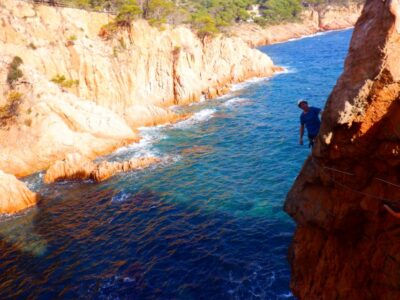
Sant Feliu de Guixols: Climb Via Ferrata Cala del Molí
Read our review →
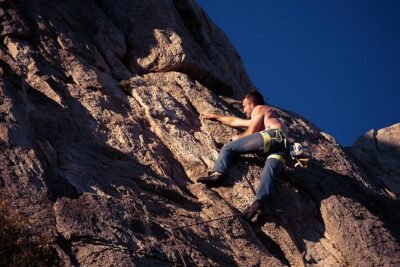
Full-day Guided Rock Climbing Trip in Montserrat, Barcelona
Read our review →
Browse the lists this tour appears in