
Reviewed · SITGES TOURS
From Barcelona: Tarragona & Sitges Full Day Tour with Pickup
Tarragona gives you ancient Rome beside the Mediterranean, while Sitges brings the day back to the present with Modernist houses, narrow lanes, waterfront cafés, and time for a swim. The contrast is the clever part: one outing covers Roman archaeology, Catalan culture, and a proper seaside break.
I like the small group of no more than eight, which keeps the walking tour personal and makes hotel pickup much easier than joining a large coach. I also like the private air-conditioned minivan, especially on a 10-hour day with several stops and a scenic coastal drive.
The main consideration is pace. You will walk through ruins, streets, and historic areas, with stairs in places, then still want energy for Sitges. Wear comfortable shoes, bring water, and remember that food and drinks are not included.
In This Review
- Key points to know before booking
- Why this Barcelona day trip works
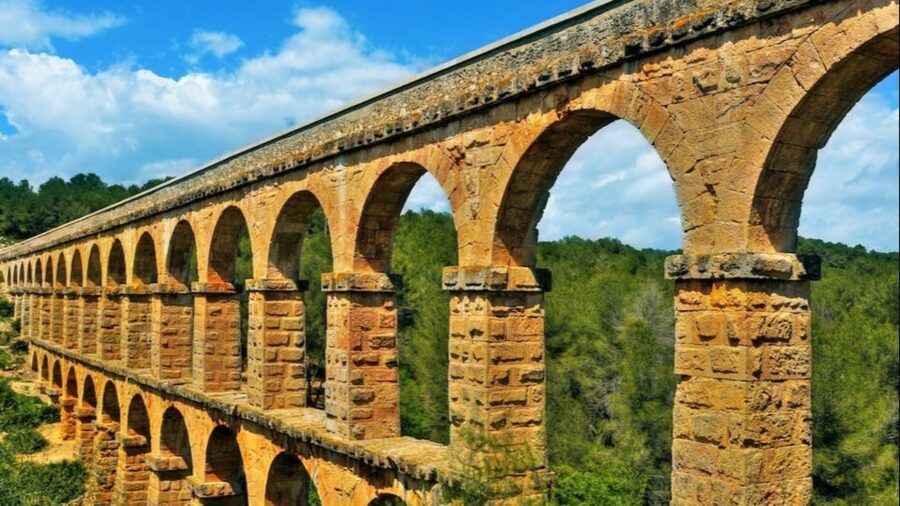
- The Devil’s Bridge and Roman engineering
- Walking Tarragona’s archaeological promenade
- The Roman Circus and Forum
- The seaside amphitheater
- From Roman Tarraco to Modernist Sitges
- San Sebastián Beach and the best use of free time
- Transport, group size, and guide quality
- Food, walking, and what to bring
- Who should book this Tarragona and Sitges tour?
- Should you book it?
- FAQ
- How long does the Tarragona and Sitges tour last?
- Is hotel pickup included?
- How large is the tour group?
- What languages does the guide speak?
- Which Tarragona sites are included?
- Is food included in the price?
- Can I swim at San Sebastián Beach?
- Can I cancel the booking?
Key points to know before booking
- Two very different towns in one day: Tarragona supplies Roman monuments, while Sitges offers Modernist architecture, beach time, and a more relaxed coastal mood.
- The Devil’s Bridge is an impressive opening stop: The Roman aqueduct stretches 217 meters and rises 26 meters above the surrounding area.
- The Roman Circus and Forum add context: You see how Tarraco functioned as a working Roman city, not just a collection of ruins.
- The amphitheater has a memorable setting: Ancient gladiatorial grounds sit beside the Mediterranean.
- Sitges includes both guided walking and free time: You can follow the guide through town, then choose lunch, shopping, a terrace, or the sea.
- Pickup is convenient but confirm the exact meeting point: You receive the time, guide’s name, and phone number 24 hours before departure.
Why this Barcelona day trip works
Barcelona has enough to fill a week, but a day outside the city gives you a useful change of rhythm. This tour heads south into Catalonia, first to Tarragona on the Costa Dorada and then to Sitges along the Costa del Garraf.
I see the route as two linked experiences rather than one long sightseeing list. Tarragona is about scale, empire, and stone. Sitges is about local streets, architecture, food, and the sea. The switch from archaeological sites to beach terraces keeps the day from feeling like ten straight hours of museum-style touring.
At $116 per person, the price is not the cheapest way to reach either town. You are paying for private transport, hotel pickup and return, a guide, a small group, and admission to the Tarragona Circus and amphitheater. A train can take you to Tarragona or Sitges for less, but then you must arrange both journeys, navigate the sites, and find your own explanation of what you are seeing.
That added structure matters most if your Barcelona stay is short. You can cover major Tarragona sights and get a guided introduction to Sitges without spending time working out regional transport. If you prefer lingering at one archaeological site or setting your own beach schedule, an independent visit may suit you better.
More Sitges escapes:
- Tarragona and Sitges Tour with Small Group and Hotel Pick Up
★ 5.0 · 1,211 reviews - Tarragona and Sitges Small Group Tour – Roman History & Culture
★ 4.5 · 339 reviews - Montserrat Monastery with Easy Hike & Sitges Tour from Barcelona
★ 5.0 · 179 reviews
The Devil’s Bridge and Roman engineering
The first major stop is the Les Ferreres Aqueduct, often called the Devil’s Bridge. At 217 meters long and 26 meters high, it is a clear reminder that Roman infrastructure was built to serve an entire city, not simply to look impressive.
You have time to walk around the site and view the aqueduct from different angles. The stop works well at the start because it gives you an immediate sense of Tarraco’s importance before you enter the urban ruins.
This is an outdoor visit, so your comfort depends on the weather and your shoes. The ground is not the same as a polished city pavement, and the day includes plenty of walking overall. Bring a hat and water in warm months, though the tour does provide air-conditioned transport between stops.
The aqueduct is also a good place to listen to the guide’s explanation of Roman planning. Guides such as Miquel, Eduardo, Ramon, and Lluis have been praised for making the historical material easy to follow, often adding humor and practical context rather than reciting dates.
Walking Tarragona’s archaeological promenade
Tarragona becomes more interesting when you see how Roman, medieval, and modern layers overlap. The archaeological promenade and Roman Wall lead you through the old city and help explain the shape of present-day Tarragona.
The Roman Wall is especially useful as a transition into the city. You are not just looking at isolated blocks of stone. You are following the edge of an ancient settlement that later became part of a living Catalan town.
Your guide leads the walking portion, pointing out what remains and explaining how the old city developed. That guidance is valuable here because some ruins require imagination. Without context, a wall or foundation can be easy to photograph and easy to forget. With a clear explanation, you can begin to see the city’s former scale.
Expect a steady pace rather than a quick photo stop. Several reviews highlight the balance between walking, explanations, breaks, and personal time. Still, this is not a sit-back-and-watch-the-view kind of excursion. Comfortable footwear is essential, especially if stairs or uneven surfaces are difficult for you.
The Roman Circus and Forum
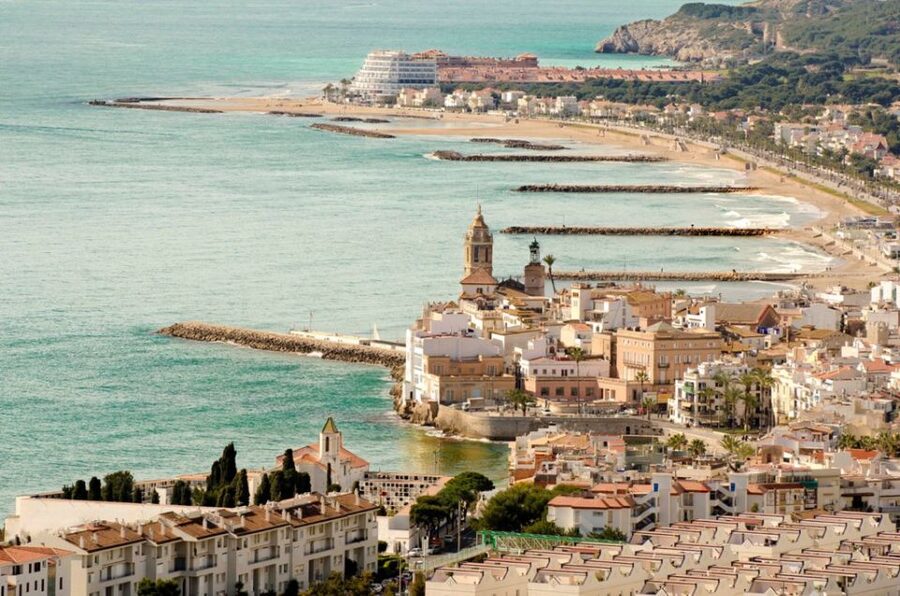
The Roman Circus was once a major public venue in Tarraco, where chariot races and public events drew crowds. The surviving remains are among the better-preserved Roman circus structures in Europe, though you should expect ruins integrated into the modern city rather than a complete arena rising untouched from the ground.
That urban setting is part of the appeal. Tarragona lets you see ancient remains beside later buildings and ordinary city life. The past is not sealed away in a single archaeological park. It is woven into streets you walk through today.
The Roman Forum offers another angle. It was the center of town for roughly 2,000 years, and the remains show how public space changed over time. Roman stones, medieval additions, and later construction sit close together, making this one of the best parts of the tour for understanding continuity.
I would pay close attention during the guide’s explanation here. The value is less in the size of any one ruin and more in learning what the space did. A forum was a place for public business, civic life, and daily contact. That turns scattered foundations into part of a functioning city.
Admission to the Tarragona Circus and amphitheater is included. The skip-the-line arrangement also helps the day stay on schedule, which matters because Tarragona and Sitges both need time.
More Tarragona trips:
- House of Illusion Magic Show with Drinks
★ 4.5 · 719 reviews - Tarragona: Roman Heritage Guided Walking Tour
★ 4.7 · 261 reviews - Half Day Cycling Tour from Salou
★ 5.0 · 190 reviews - Guided Tour of Roman Tarragona
★ 5.0 · 108 reviews
The seaside amphitheater
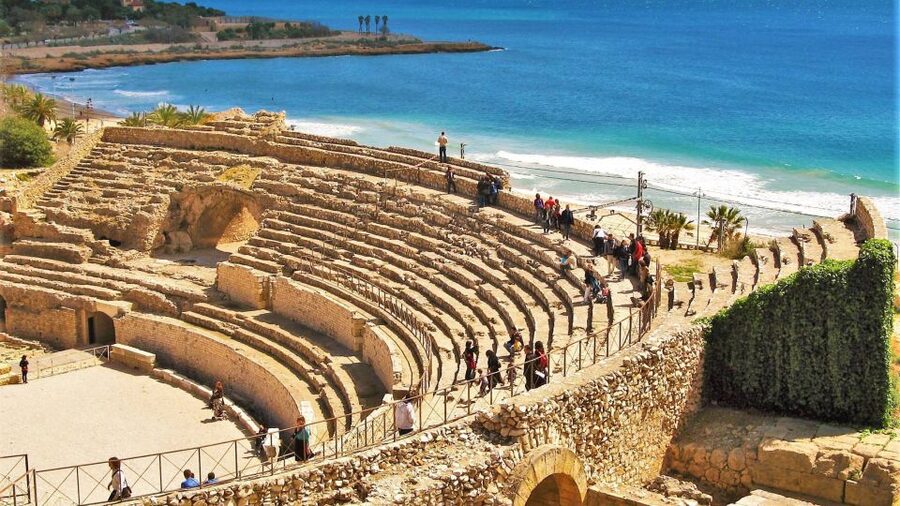
The Tarragona Amphitheater is the emotional high point of the Roman portion. Built beside the Mediterranean, it hosted gladiatorial contests in the 2nd century. The setting is unusually striking: the ruins sit near the sea instead of being surrounded only by dense urban streets.
You can picture the practical reason for its location as well as the spectacle. Tarragona was a Roman port city, and the amphitheater formed part of a larger public and religious area outside the main center.
The site is not simply a pretty viewpoint. It carries difficult history, including public violence and the Christian persecution associated with Roman rule. A good guide can give you that wider context and keep the stop from becoming a shallow photo opportunity.
This is another place where the tour’s guided format earns its keep. You can walk through the remains on your own, but the stories connect the structure to the larger city. Guides on this route are often praised for strong Roman history explanations, a friendly manner, and safe driving between stops.
From Roman Tarraco to Modernist Sitges
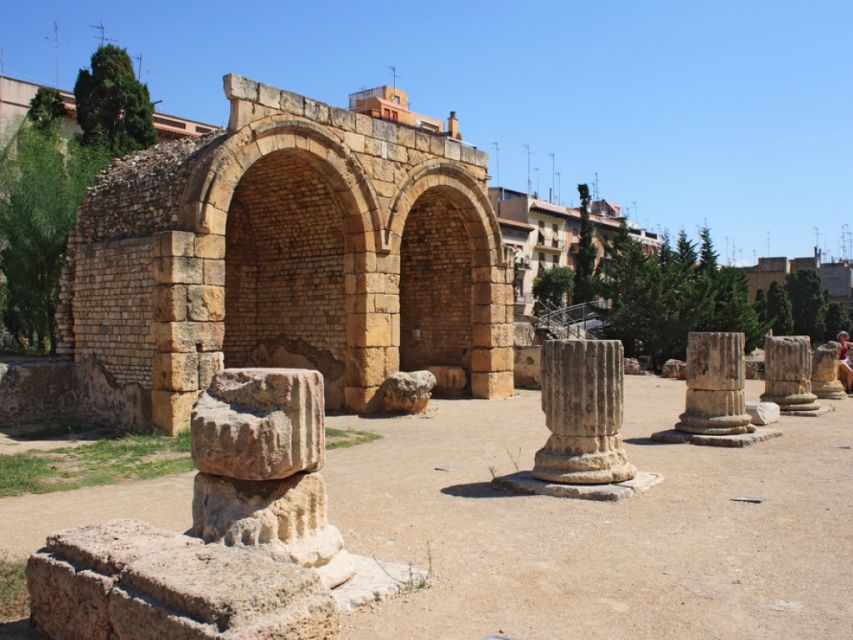
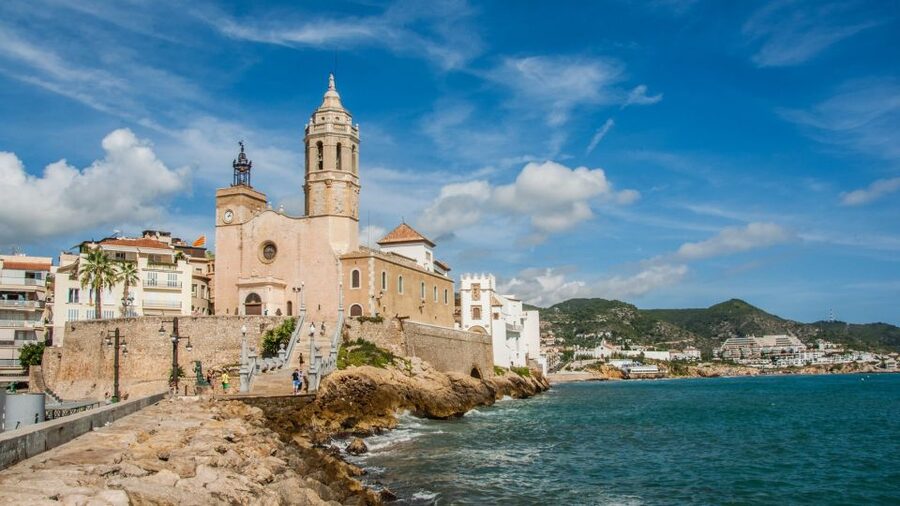
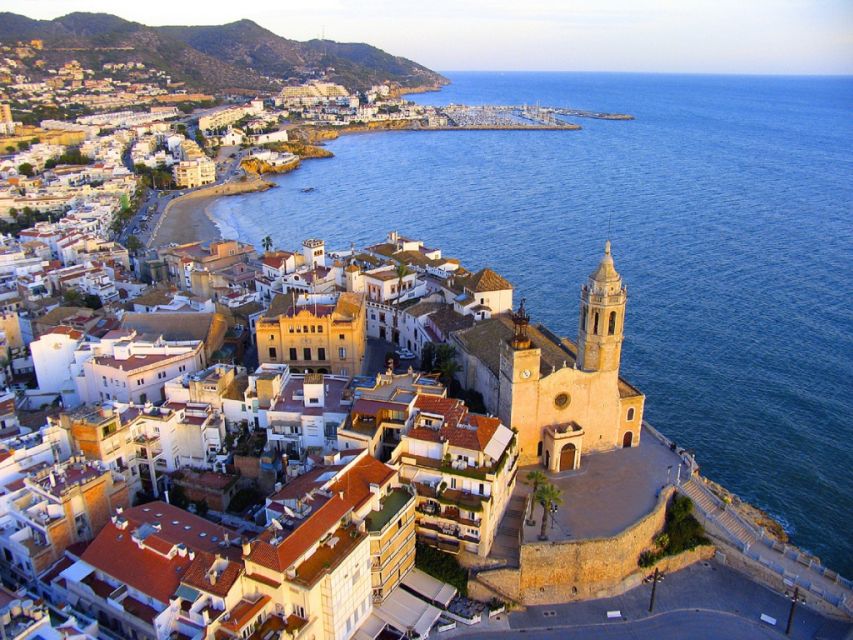
After Tarragona, the mood changes in Sitges. This coastal town grew from a fishing community into a place that attracted artists, writers, and musicians. Its streets combine traditional fisherman’s houses with Modernist architecture, giving you a more intimate kind of sightseeing.
The walking tour takes you through winding streets and quieter corners rather than focusing only on the waterfront. You see Casa Bacardi and Casa del Rellotge, both linked with Modernist design, and hear about the Americanos, wealthy Sitges residents who made money in the Americas and returned home to build elaborate houses.
This background helps explain why Sitges looks different from a standard beach resort. Its character comes from several periods at once: fishing, overseas fortunes, Modernist design, religious buildings, and a long artistic tradition.
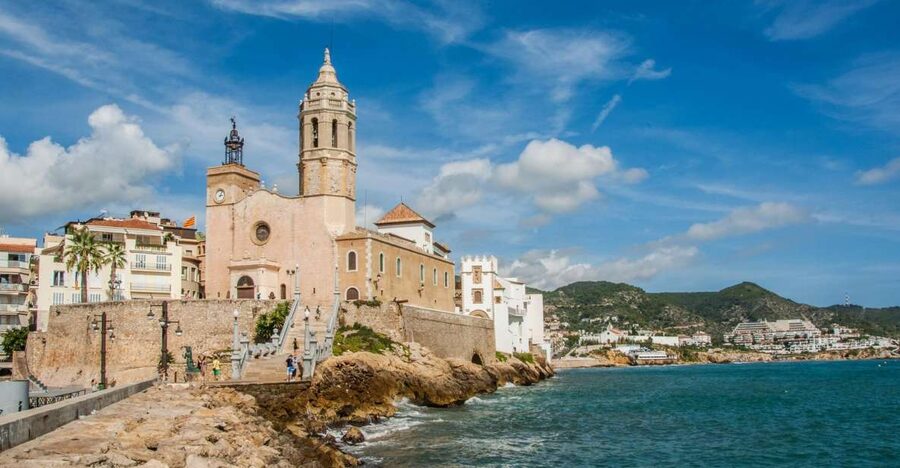
The Church of San Bartolomé and Santa Tecla is one of the town’s most recognizable sights. It sits near the sea and gives the waterfront a strong visual anchor. You also visit Maricel Palace, an important cultural and architectural landmark, and the Quiet Corner, a small plaza associated with local musicians and Sitges’ bohemian side.
You should expect a guided introduction, not unlimited time at every building. The walking portion gives you orientation, then free time lets you choose what matters most. If you want a long lunch, shopping, or a slow beach visit, plan your priorities before you arrive.
San Sebastián Beach and the best use of free time
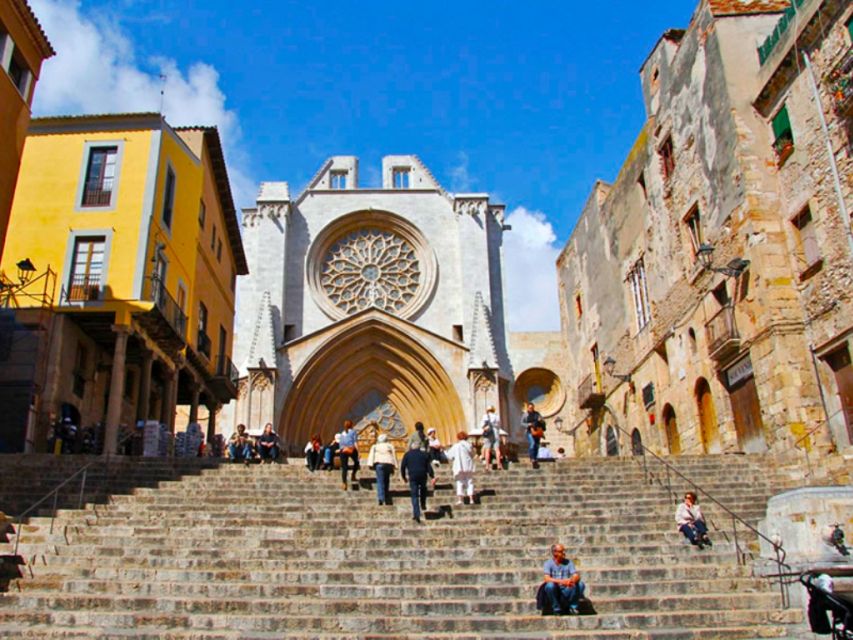
The tour ends in a lighter register at Playa de San Sebastián, also called San Sebastián Beach. It is praised as one of Europe’s best urban beaches, and its position near the old town makes it easy to combine swimming, a waterfront meal, and a final walk.
The free time is a real advantage. After Tarragona’s concentrated history, you can sit at a beach terrace, take a dip in the Mediterranean, or simply enjoy the view. Several people make specific mention of lunch by the water, and some use this time for a quick swim.
The limitation is that the Sitges portion can feel short. One account found that about two hours passed quickly, which is understandable once you include the walking tour, lunch, and beach. You cannot do everything at a leisurely pace. Choose between a full meal, a swim, and extended independent exploring, or accept a little of each.
Water conditions and swimming suitability are not specified, so treat a dip as an optional use of free time rather than a guaranteed part of the program. If beach time is your main goal, an independent day in Sitges will give you more control.
Transport, group size, and guide quality
Pickup and drop-off in a private, air-conditioned minivan are included, generally between 8:00 and 9:00 AM. You receive a message 24 hours before departure with the exact pickup time, your guide’s name, and a telephone number.
The small group limit of eight is one of the strongest practical reasons to choose this tour. A group that size can move through old streets without the stop-start feel of a large coach party. It also gives you a better chance to ask questions and hear the guide clearly.
The guides named in the feedback include Miquel, Miguel, Eduardo or Eduard, Ramon, Lluis, Luis, Vincent, and Gaspar. The strongest pattern is not one particular guide but the role itself: the guide drives, handles timing, explains the sites, and helps keep the day relaxed.
One useful detail: hotel pickup may not work as a door-to-door service for every address. At least one person expected a hotel pickup but had to walk to Plaça de Catalunya. Confirm the exact meeting arrangement when the message arrives, especially if your accommodation is outside the usual central pickup area.
The return drive can include attractive coastal scenery. It is a pleasant way to wind down, though traffic can affect the length of the day. The stated duration is 10 hours, so do not schedule a tight evening reservation immediately afterward.
Food, walking, and what to bring
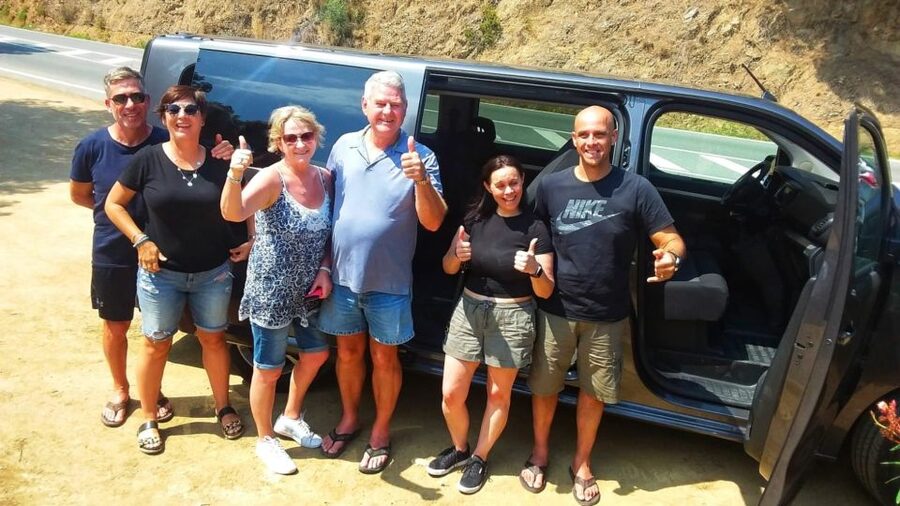
Food and beverages are not included. That gives you freedom to choose a Sitges restaurant or terrace, but it also means you should budget separately for lunch and carry water.
Some guides suggest restaurant ideas, and Sitges is the natural place to eat because of the waterfront setting. Still, free time is limited, so a leisurely meal may reduce your time at the beach or in the old town.
Wear comfortable shoes. You will walk at the aqueduct, along Tarragona’s archaeological route, through the Roman Wall area, around the Circus and Forum, and through Sitges. Stairs and uneven surfaces are part of the day.
A practical packing list is simple:
- Comfortable walking shoes
- Water
- Sun protection in warm weather
- Swimwear if you want to use the beach
- A small amount for food, drinks, and personal purchases
The tour runs in English or Spanish. If you need one language throughout, check the operating details when booking, since the guide may accommodate a bilingual group.
Who should book this Tarragona and Sitges tour?
I would recommend it most strongly to first-time visitors who want to see beyond Barcelona without arranging regional transport. It also suits couples, solo travelers, and families who prefer a small group and a guide rather than a large bus.
History fans will get the most from Tarragona, especially if Roman engineering, civic life, and ancient public buildings interest you. The amphitheater, Circus, Forum, aqueduct, and walls give you a solid introduction to Roman Tarraco in one day.
Sitges broadens the appeal. You do not need to be an archaeology specialist to enjoy the Modernist buildings, sea views, old streets, and beach break. The two destinations also work well for people who want a day with both learning and downtime.
I would hesitate only if you dislike organized schedules or want long, unhurried time in one place. Tarragona alone deserves more than a quick look, and Sitges can easily fill a full day if you want to swim, eat slowly, and wander without watching the clock.
Should you book it?
Book this tour if you want an efficient, well-supported day from Barcelona with Roman sites, Catalan architecture, and beach time in one package. The $116 price is fair when you value private transport, a group of eight or fewer, admissions, hotel service, and a guide who can make the ruins understandable.
Skip it if your priority is complete freedom or a long day at the beach. For everyone else, the combination is unusually sensible: Tarragona provides the substance, Sitges supplies the color and sea air, and the small minivan keeps the day manageable.
FAQ
How long does the Tarragona and Sitges tour last?
The tour lasts 10 hours, including transport from Barcelona, visits to Tarragona and Sitges, and the return trip.
Is hotel pickup included?
Yes. Hotel pickup and drop-off in Barcelona are included in a private air-conditioned minivan. The exact pickup time and meeting details are sent about 24 hours before departure.
How large is the tour group?
The group is limited to eight participants.
What languages does the guide speak?
The tour is offered with a live guide in English or Spanish.
Which Tarragona sites are included?
The route includes the Les Ferreres Aqueduct, Archaeological Promenade, Tarragona Amphitheater, Roman Wall, and Roman Forum. Admission to the Tarragona Amphitheater and Circus is included.
Is food included in the price?
No. Food and beverages are not included, so you should budget separately for lunch, drinks, and personal expenses.
Can I swim at San Sebastián Beach?
You have free time at Playa de San Sebastián, which you can use to relax or take a swim. The tour information does not guarantee swimming conditions.
Can I cancel the booking?
You can cancel up to 24 hours before departure for a full refund. The reserve-now, pay-later option also lets you hold a place without paying immediately.
More Full-Day in Barcelona
- Montserrat Full Day Tour with Farmhouse Lunch and Winery Visit
★ 5.0 · 1,068 reviews - Girona and Dali Museum Full Day tour from Barcelona
★ 4.5 · 996 reviews - From Barcelona: Full-Day Montserrat & Wine Small Group Tour
★ 4.8 · 720 reviews - From Salou: Full Day Barcelona Panoramic Tour with Free Time
★ 4.4 · 718 reviews
Just added around Barcelona
- GoCar Full Day Tour★ 4.0 · 6 reviews
- Sagrada Familia and Barcelona Highlights: Private Guided 4-Hour Driving Tour★ 5.0 · 6 reviews
- Barcelona: Highlights & Gems Private Tour with Tapa & Drink★ 3.9 · 6 reviews
- Gothic Quarter and Born District: Photographic Workshop★ 5.0 · 6 reviews
- Gobbi Yacht Rental in Barcelona 9 Pax 2/4/8hs★ 5.0 · 6 reviews
- Barcelona: Gothic Quarter & La Sagrada Familia Private Tour★ 4.9 · 6 reviews
- Private Sailboat Ride at Sunset from Sitges★ 5.0 · 6 reviews
- Barcelona: Private Tour of Casa Batllo with Reserved Access★ 3.5 · 6 reviews
Sitges Tours, compared.
Tarragona and Sitges Tour with Small Group and Hotel Pick Up
Read our review →
Tarragona and Sitges Small Group Tour – Roman History & Culture
Read our review →
Montserrat Monastery with Easy Hike & Sitges Tour from Barcelona
Read our review →
Bike Tour and Winery Visit with Free Hotel Pick Up.
Read our review →
2 Wineries Small Group Tour with Free Hotel PickUp from Sitges
Read our review →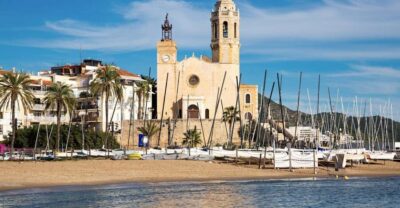

Sitges & Montserrat Monastery Tour with Easy Hike
Read our review →Browse the lists this tour appears in