
Reviewed · TARRAGONA TOURS
Birdwatching in the Ebro Delta
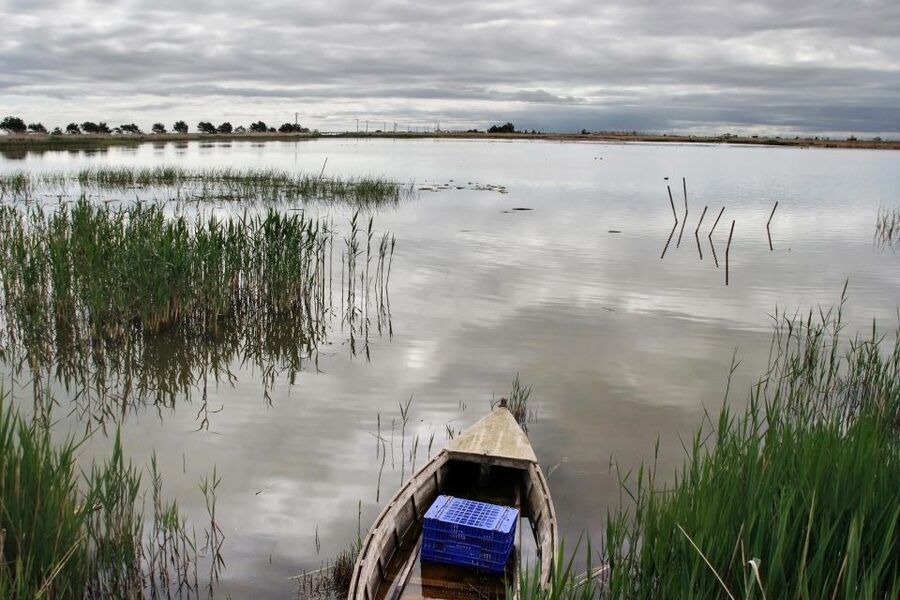
The best part of this Ebro Delta birdwatching tour is the way it links birds to the place they live. Around tiny Les Olles lagoon, you may spot flamingos, egrets, kingfishers, and stilts, then follow the coast toward Fangars Bay and the fishing port of Illa de Mar. I like the local setting and the chance to reach viewpoints you might skip on your own.
I also like the small group size, capped at 10, and the guides’ wider approach. Pep, David, and Eli have explained everything from bird identification to rice farming, dunes, plants, and the Delta’s environmental problems. The main drawback is practical: you must use your own car, and the guide needs a seat. The tour is also not suitable for wheelchair users.
In This Review
- Key points to know before you book
- Starting at Camping TAIGA l’Ampolla
- Les Olles lagoon and its easy viewing points
- From bird names to a living rice-growing region
- Along Fangars Bay toward Illa de Mar
- What the guides add to the experience
- How much value do you get for $47?
- Weather, clothing, and practical limits
- Who should book this Ebro Delta tour?
- Final verdict: a smart introduction to the Delta
- FAQ
- Where does the birdwatching tour meet?
- How long does the tour last?
- Do I use my own car?
- What birds might I see?
- Which languages are available?
- Is this a small-group experience?
- Can I cancel for a refund?
Key points to know before you book
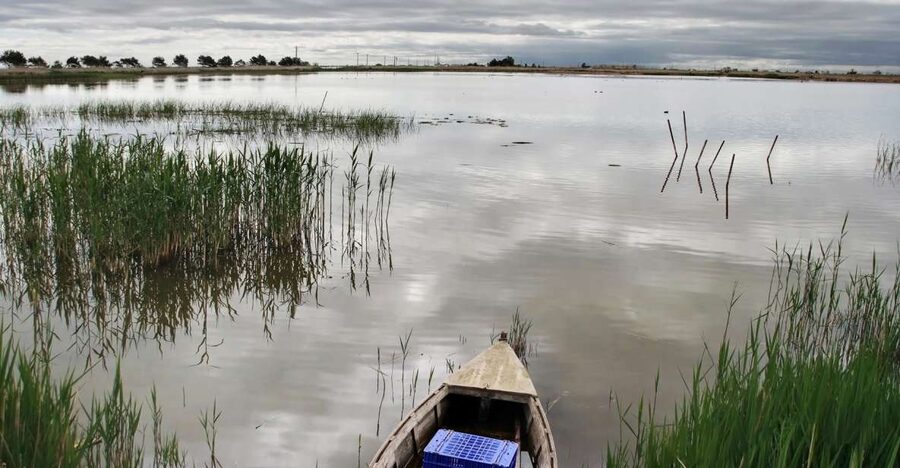
- Les Olles lagoon is small but productive: Its compact size makes it easy to explore on foot, with several viewpoints for watching waterfowl.
- The route combines car stops and short walks: You drive between parts of the Delta, then leave the car to view birds and habitats.
- Flamingos are a major highlight: You may also see mallards, ibis, cormorants, herons, gulls, kingfishers, and black-winged stilts.
- The guides explain more than bird names: Expect discussion of rice fields, dunes, plants, Delta formation, and conservation problems.
- You travel in your own vehicle: The guide rides with the group, so make sure your car has an available seat.
- Small groups make questions easier: The maximum of 10 people suits visitors who want personal explanations rather than a large coach outing.
Starting at Camping TAIGA l’Ampolla

The meeting point is the reception of Camping TAIGA l’Ampolla, also described as Camping Ampolla Playa de L’Ampolla. I would check the exact wording on your booking confirmation before setting out, since the meeting information uses both names for the starting point.
From there, your guide leads the group by car toward the Delta’s coastal wetlands. This is not a bus excursion with a fixed vehicle. You drive your own car, and the guide needs a place inside it. That arrangement keeps the group flexible, but it also means you need to arrive with enough fuel, a suitable vehicle, and room for the guide.
The tour lasts about two and a half hours, with some descriptions allowing up to three hours. That is long enough to visit several habitats without turning birdwatching into an all-day commitment. It also fits neatly into a day based around L’Ampolla, the Delta’s rice fields, or the coast.
The guide may lead in English, French, Spanish, or Catalan. Names connected with the experience include Pep, David, and Eli. The exact guide depends on the date, but the important point is that you are accompanied by a local environmental educator rather than simply handed a map and binocular checklist.
More Tarragona trips:
- Tarragona and Sitges Tour with Small Group and Hotel Pick Up
★ 5.0 · 1,211 reviews - House of Illusion Magic Show with Drinks
★ 4.5 · 719 reviews - From Barcelona: Tarragona & Sitges Full Day Tour with Pickup
★ 4.8 · 428 reviews
Les Olles lagoon and its easy viewing points
Les Olles is the smallest lagoon in the Ebro Delta Natural Park. Small does not mean unimportant here. Its water and surrounding vegetation support a good population of waterfowl, and the route uses viewpoints around the lagoon to give you several angles on the birds.
You will get out of the car and walk around parts of the lagoon with the guide. This is where the tour feels most like traditional birdwatching. You pause, scan the water and reeds, and learn to distinguish one species from another instead of racing from one attraction to the next.
Possible sightings include mallards, egrets, kingfishers, and stilts. The tour’s bird list also includes flamingos, herons, ibis, cormorants, gulls, and small birds of prey. Sightings are never guaranteed, but the range of habitats gives you more than one chance to find something interesting.
Flamingos are the star for many people. One guide provided binoculars for the whole group, which made it easier to see details at a distance. You should not assume binoculars are always included, but it is worth asking when you book or bringing your own if birdwatching matters to you.
The viewpoints also make this a good introduction for beginners. You do not need to arrive with a bird guidebook or know the difference between a heron and an egret. A good guide can point out shape, color, movement, and feeding habits, helping you see why a bird belongs in one category rather than another.
From bird names to a living rice-growing region

A major strength of this excursion is that it does not treat the birds as isolated sights. The guide explains the vegetation around the lagoon and the rice fields that surround the reserve. That context helps you understand why the Delta has such a large variety of habitats in a fairly compact area.
Rice farming is central to the character of the Ebro Delta. The fields are not simply empty farmland between nature stops. They are part of the area’s water system and form feeding and resting areas for birds. As you move between the lagoon and the coast, the guide connects agriculture, wetlands, and wildlife.
You also learn about dunes and plants along the coastal section. The details matter because the Delta is shaped by water, sand, farming, and the sea. A guide such as Eli may stop at places you would not notice while driving, then explain how the area formed and how people use it today.
David has also explained the Delta’s environmental problems and the need to protect this fragile setting. That discussion gives the outing more weight than a simple species-spotting trip. You see attractive birds, but you also learn that the conditions supporting them are not automatic.
I especially value this approach if you are curious about how a natural park works. You can still enjoy the flamingos and photographs, but you leave with a better sense of the relationship between the rice fields, lagoons, dunes, and coastline.
Along Fangars Bay toward Illa de Mar
The tour continues along the coast from L’Ampolla toward Fangars Bay and the fishing port of Illa de Mar. This longer route adds variety to the lagoon visit. Instead of spending the full time in one wetland, you see how the Delta changes as it meets the sea.
Fangars Bay brings a coastal setting to the outing, while the road toward Illa de Mar gives you a look at the working side of the area. The route is not only about protected water and reeds. It also includes the fishing port and the human activity that forms part of the Delta’s identity.
Several participants have found this coastal section especially worthwhile because it includes stops they would not have chosen alone. That is a good reason to book a guided outing even if you have a car and can explore independently. The value lies in knowing where to stop and what to look for.
The car-based format also has a trade-off. You are not on a quiet walking trail for the whole two and a half hours. You will move between sites, and your experience depends partly on the comfort of your own car and the space available for the guide. For most visitors, that is a reasonable exchange for covering more ground.
Same corner of Catalonia, a completely different day:
- Tarragona and Sitges Small Group Tour – Roman History & Culture
★ 4.5 · 339 reviews - Tarragona: Roman Heritage Guided Walking Tour
★ 4.7 · 261 reviews - Half Day Cycling Tour from Salou
★ 5.0 · 190 reviews - Guided Tour of Roman Tarragona
★ 5.0 · 108 reviews
What the guides add to the experience
The strongest praise for this tour centers on the guides’ communication and local understanding. Pep has been described as an expert on the Delta’s wildlife and history, with clear explanations and a friendly manner. David has guided in French and discussed both biodiversity and the region’s environmental challenges. Eli has covered the left side of the Delta, including its formation, ecosystems, rice fields, dunes, and plants.
Those details give you a useful picture of the guiding style. This is not just a guide who points toward a bird and gives its name. You can expect questions, explanations, and a broader account of how the area functions.
Pep even gave an informal photography lesson during one outing. That is not listed as a guaranteed part of the tour, but it shows how the guide may respond to the group’s interests. If you enjoy taking pictures, ask about framing and distance, but do not book this as a dedicated photography workshop.
The small group limit of 10 is important. Birdwatching works better when you can hear the guide, move between viewpoints without a long procession, and ask why a particular bird is behaving in a certain way. It also makes it easier to pause when someone spots something interesting.
The language choice is another practical advantage. English, French, Spanish, and Catalan are available, though you should select or confirm your preferred language at booking. A clear explanation matters here because the tour includes ecology and conservation, not just simple translations of bird names.
How much value do you get for $47?
At $47 per person, this is not the cheapest way to spend a morning in the Delta. You could drive around independently and visit public viewpoints without paying for a guide. The question is what you want from the outing.
I think the price is reasonable if you value interpretation and efficient routing. You are paying for a local guide who can connect the birds with rice farming, vegetation, dunes, coastal habitats, and the Delta’s formation. You are also paying for access to stops that may not be obvious when you are exploring on your own.
The price is less attractive if you already know the Ebro Delta well, own good binoculars, and prefer to set your own pace. The use of your own car means the fee does not include transport, fuel, or a private vehicle. You should factor those costs into your day.
For a first visit, the tour can save time and reduce guesswork. In two and a half to three hours, you visit Les Olles lagoon, Fangars Bay, the coastline, and the area around Illa de Mar. That compact format works well if you have other Delta plans later.
The perfect value match is a small group that wants both wildlife and explanation. If one person in your party is a keen birder and the rest are simply curious, the broader natural and cultural material should keep everyone involved.
Weather, clothing, and practical limits
The tour runs in rain, sunshine, or wind. That is worth taking seriously in an open wetland and coastal setting. Wear comfortable clothes suited to the forecast, and consider layers so you can stay outside during the viewing stops.
You should also be ready to walk around the lagoon. The experience combines driving with time on foot, so comfortable footwear makes sense even though the supplied information specifically requires comfortable clothing.
Alcoholic drinks are not allowed in the vehicle, and alcohol, drugs, explosives, and nudity are prohibited during the activity. These rules are straightforward, but the vehicle requirement makes the alcohol restriction especially relevant.
The tour is not suitable for wheelchair users. If you have limited mobility but do not use a wheelchair, ask the provider about the walking sections and viewpoints before booking. The available details do not specify distances, surfaces, or step-free access.
Free cancellation is available up to 24 hours before the activity for a full refund. You can also reserve and pay later, which helps if your Delta schedule depends on weather or other day trips. Still, the tour operates in poor weather, so bring clothing that lets you enjoy it outside rather than counting on clear skies.
Who should book this Ebro Delta tour?
I would recommend it most strongly to first-time visitors who want a clear introduction to the Ebro Delta Natural Park. You will see birds, but you will also understand the rice fields, plants, dunes, water, coast, and conservation concerns that make the area worth protecting.
It also suits families and mixed-interest groups, provided everyone can manage the walking and vehicle arrangements. A person who is not a dedicated birder can still enjoy the scenery, local history, and explanation of the ecosystems.
Bird photographers should find useful opportunities, especially if binoculars are available and the guide helps with viewing distances. Still, this is not a private photo safari, and sightings depend on conditions. Treat photography as one benefit rather than the entire purpose.
You may want to skip it if you dislike sharing a car, cannot provide a seat for the guide, or want complete control over stops and timing. Independent visitors with strong birdwatching experience may also prefer to explore alone.
Final verdict: a smart introduction to the Delta
Book this tour if you want more than a list of bird names. The combination of Les Olles lagoon, Fangars Bay, rice fields, coastal stops, and a local environmental educator gives you a useful first look at the Ebro Delta.
The best reason to go is the guide’s ability to connect small details to the bigger picture. You may come for flamingos and leave thinking about rice farming, dunes, habitat protection, and the forces shaping the Delta.
At $47, the tour offers solid value for a small group, especially if Pep, David, or Eli brings the same clear and personal style described in the available feedback. Just remember the key condition: you provide the car, the guide needs a seat, and you should dress for open-air weather.
FAQ
Where does the birdwatching tour meet?
The meeting point is at the reception of Camping TAIGA l’Ampolla. The information also refers to Camping Ampolla Playa de L’Ampolla, so check the exact meeting name on your booking confirmation.
How long does the tour last?
The stated duration is 2.5 hours, while the activity details allow approximately 2.5 to 3 hours.
Do I use my own car?
Yes. Participants use their own car, and the guide needs a place in the vehicle.
What birds might I see?
Possible sightings include mallards, egrets, kingfishers, stilts, flamingos, herons, cormorants, ibis, gulls, and small birds of prey.
Which languages are available?
The live guide is available in English, French, Spanish, and Catalan.
Is this a small-group experience?
Yes. The group is limited to 10 participants.
Can I cancel for a refund?
You can cancel up to 24 hours in advance for a full refund. The activity also offers a reserve-now-and-pay-later option.
Just added around Tarragona
- Barcelona: Tarragona & Sitges Guided Day Trip with Transfers★ 5.0 · 7 reviews
- Tour monastery Poblet with hotel pickup★ 5.0 · 7 reviews
- Private Transfer from Tarragona Cruise Terminal to Barcelona★ 3.0 · 7 reviews
- From Barcelona: Private Full-Day Tarragona and Sitges Tour★ 4.9 · 8 reviews
- Tarragona Culinary Experience: Olive Oil & Iberian Ham Delight★ 5.0 · 8 reviews
- Tarragona: Southern Delta Birdwatching Private Tour★ 5.0 · 8 reviews
- Entry ticket | Fundació Mas Miró – Mont-roig del Camp★ 4.2 · 10 reviews
- From Barcelona: Private Half-Day Tarragona Tour with Pickup★ 4.7 · 11 reviews
Tarragona Tours, compared.
Tarragona and Sitges Tour with Small Group and Hotel Pick Up
Read our review →
Tarragona and Sitges Small Group Tour – Roman History & Culture
Read our review →
The Grape Escape! Cycling in Beautiful Scenery with Wine Tasting
Read our review →Browse the lists this tour appears in